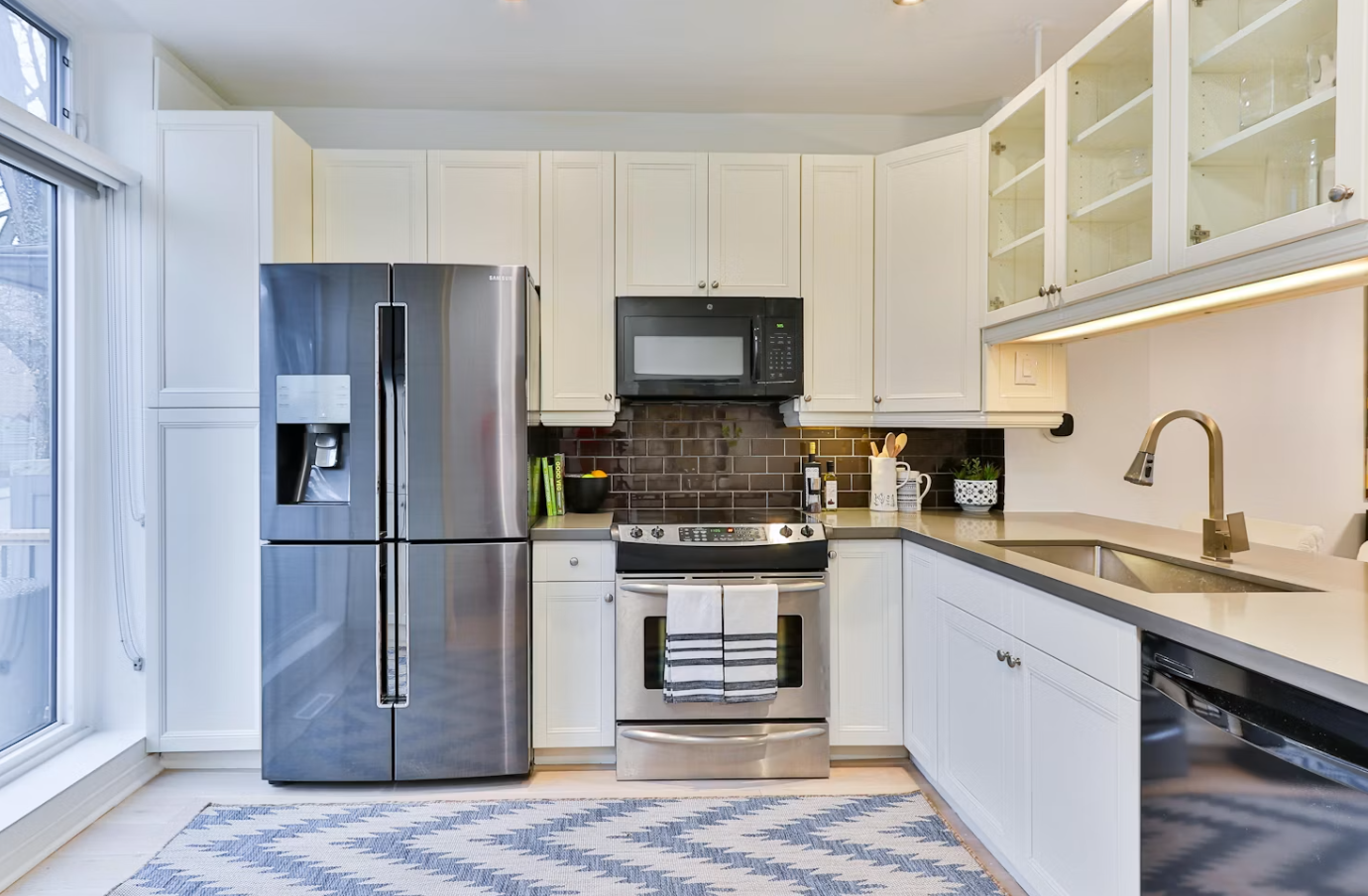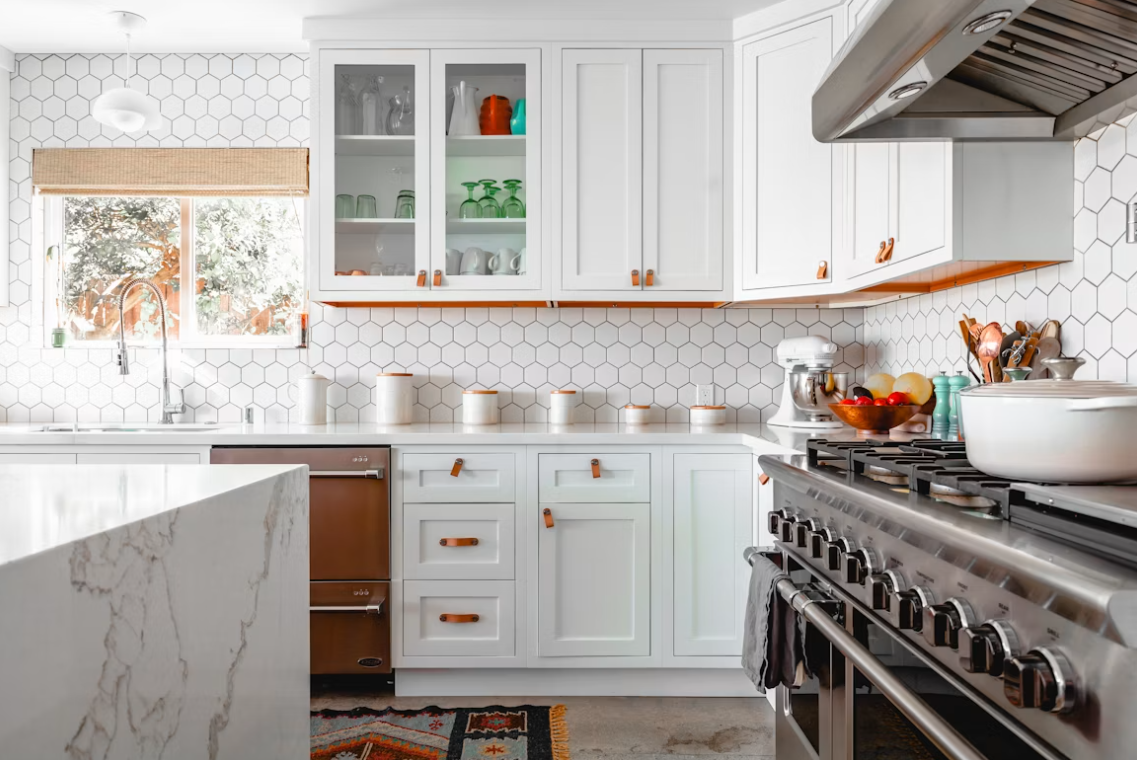
Moving into a new home is an exciting milestone, but an empty kitchen can quickly become one of the most overwhelming spaces to organize. The shelves are bare, the drawers echo when opened, and suddenly you realize how many small tools and everyday essentials are needed to prepare even a simple meal.
A well-equipped kitchen is not about collecting every gadget available. It is about creating a practical space where cooking feels easier, cleaning feels manageable, and daily routines flow naturally. For new homeowners, choosing the right kitchen essentials is similar to building a wardrobe: a few reliable basics create the foundation, while additional pieces can be added over time based on personal habits and preferences.
Whether you enjoy preparing elaborate dinners, making quick breakfasts before work, or simply want a comfortable space for family meals, the right kitchen setup can make your home feel complete. This guide explores the everyday kitchen essentials that provide the most value, what to consider before buying, and the common mistakes new homeowners should avoid.
Start With the Kitchen Basics That Support Daily Life
When furnishing a kitchen for the first time, it can be tempting to focus on stylish appliances or trendy tools. However, the most important items are often the simplest ones. Everyday essentials should help you complete common tasks efficiently, from preparing ingredients to storing leftovers.
A strong kitchen foundation usually begins with versatile cookware, dependable knives, food preparation tools, and storage solutions. These items may not seem exciting, but they are the pieces you will reach for repeatedly.
Think about your actual lifestyle before making purchases. Someone who cooks several meals a week will need different equipment from someone who mainly prepares simple dishes or orders food occasionally. The best kitchen is not the one with the most items. It is the one designed around how you live.
Invest in Quality Cookware That Matches Your Cooking Style
Cookware is the heart of any kitchen. The right pots and pans can make cooking more enjoyable and help you achieve better results without unnecessary frustration.
A practical cookware collection does not need to be enormous. Most new homeowners can start with a few essential pieces:
A versatile frying pan for eggs, vegetables, stir-frying, and everyday meals.
A medium-sized saucepan for soups, sauces, pasta, and heating food.
A larger pot for family-sized meals, boiling ingredients, and batch cooking.
A baking tray or roasting pan for oven-based dishes.
Material matters when choosing cookware. Stainless steel is popular because it is durable and suitable for many cooking methods. Non-stick cookware can be convenient for quick meals and easier cleanup, although it requires careful handling to maintain its surface. Cast iron offers excellent heat retention but may require more maintenance.
Instead of buying a large matching set immediately, many homeowners benefit from selecting individual pieces based on their cooking habits. A smaller collection of reliable cookware often performs better than a cabinet full of rarely used items.
Choose Kitchen Knives That Make Food Preparation Easier
A good knife is one of the most valuable tools in the kitchen. Many beginners assume they need a large knife collection, but a few well-chosen options can handle most everyday tasks.
The essential knives for many kitchens include:
A chef’s knife for chopping vegetables, cutting meat, and general preparation.
A small paring knife for peeling and detailed tasks.
A serrated knife for bread, tomatoes, and foods with delicate surfaces.
Comfort and control are just as important as sharpness. A knife should feel balanced in your hand and match your cooking style. A high-quality knife that you use regularly is often more valuable than a large block filled with tools you rarely touch.
Remember that maintenance is part of ownership. Keeping knives clean, storing them safely, and sharpening them when needed can improve performance and extend their lifespan.
Build a Practical Food Preparation Area
Before ingredients become meals, they usually require preparation. This makes preparation tools some of the most frequently used kitchen essentials.
Useful everyday preparation items include:
Cutting boards in different sizes for different tasks.
Mixing bowls for cooking, baking, and food storage.
Measuring cups and spoons for accurate recipes.
A colander for washing vegetables, draining pasta, and rinsing ingredients.
A vegetable peeler for quick preparation.
Kitchen tongs and spatulas for handling food while cooking.
When choosing cutting boards, consider both function and maintenance. Some homeowners prefer separate boards for different types of ingredients, while others prioritize simplicity with one versatile option.
Storage Containers Help Create an Organized Kitchen
A beautiful kitchen is easier to enjoy when it stays organized. Storage containers may seem like a small detail, but they can transform how efficiently your kitchen works.
Good storage solutions help with:
Keeping ingredients fresh.
Reducing food waste.
Organizing cabinets and refrigerators.
Making leftovers easier to manage.
Clear containers can be especially useful because they allow you to quickly see what you have available. Stackable designs can maximize limited cabinet space, which is valuable for homeowners with smaller kitchens.
Avoid buying too many containers before understanding your storage needs. Many people end up with mismatched collections that take up more space than they save. Start with a practical selection and expand gradually.
Do Not Overlook Small Appliances
Small appliances can make daily routines more convenient, but they should be chosen carefully. A kitchen filled with unused appliances creates clutter rather than comfort.
Some commonly useful small appliances include:
A toaster or toaster oven for quick breakfasts.
A blender for smoothies, sauces, and simple food preparation.
An electric kettle for tea, coffee, and hot drinks.
A coffee maker for homeowners who enjoy a daily coffee routine.
A hand mixer for occasional baking.
Before purchasing an appliance, consider how often you will realistically use it. A product that solves a regular problem can be a valuable investment. A device that only looks interesting in a store may eventually become another item taking up counter space.
Focus on Everyday Dining Essentials
A kitchen is not only a place for cooking. It is also where people gather, share meals, and create memories. Having comfortable dining essentials helps make the space feel complete.
New homeowners should consider having:
A practical set of plates and bowls.
Drinking glasses for everyday use.
Coffee mugs or tea cups.
Basic utensils such as forks, spoons, and knives.
Serving dishes for guests or family meals.
When selecting dinnerware, consider durability and personal style. Neutral designs often work well because they can adapt to different occasions, while unique pieces can add personality to your home.
Cleaning Tools Are Kitchen Essentials Too
A functional kitchen is not complete without tools that support cleaning and maintenance. Keeping the space clean protects your investment and makes cooking more enjoyable.
Useful cleaning essentials include:
Dish soap and a quality sponge or brush.
Microfiber kitchen towels.
A drying rack or drying mat.
A trash can that fits your space.
Food-safe cleaning products.
Cleaning tools do not need to be complicated. The goal is to make daily maintenance simple enough that it becomes part of your routine rather than a major task.
Common Mistakes New Homeowners Should Avoid
Creating a kitchen from scratch can lead to unnecessary spending if purchases are not planned carefully. One common mistake is buying items based on appearance instead of usefulness. A stylish tool that rarely gets used does not improve your kitchen.
Another mistake is purchasing everything at once. Your cooking habits will become clearer after living in your home for a while. Waiting allows you to identify what you truly need.
New homeowners should also avoid choosing the cheapest option for every item. While budget-friendly purchases can be practical, frequently used essentials often deserve better quality because they experience daily wear.
Finally, avoid ignoring storage limitations. A product may seem helpful, but if it creates clutter or does not fit your available space, it may make your kitchen less functional.
How to Create a Kitchen That Grows With You
A thoughtfully designed kitchen evolves over time. You do not need to create a perfect setup on the first day. Instead, focus on building a reliable foundation and adding items as your needs change.
Start with the essentials you use most often. After a few months, you will understand your cooking patterns, preferred tools, and missing pieces.
Your kitchen should support your lifestyle rather than force you to adapt to it. A person who loves baking may eventually need specialized equipment, while someone who enjoys quick meals may prioritize efficient appliances and easy storage.
The best kitchens are personal. They reflect the routines, preferences, and experiences of the people who use them every day.
Conclusion
Building a kitchen as a new homeowner is an opportunity to create a space that feels practical, welcoming, and uniquely yours. The most valuable essentials are not always the newest or most expensive products. They are the reliable tools that make everyday cooking, dining, and cleaning easier.
By focusing on quality basics, understanding your habits, and avoiding unnecessary purchases, you can create a kitchen that works beautifully from the beginning and continues to serve you for years. A thoughtfully equipped kitchen is more than a collection of tools. It is the foundation for everyday moments, shared meals, and memories created at home.
FAQs
What are the most important kitchen essentials for first-time homeowners?
The most important essentials usually include reliable cookware, a quality chef’s knife, cutting boards, food storage containers, basic utensils, dinnerware, and cleaning supplies. These items support the majority of everyday kitchen tasks.
Should new homeowners buy a complete kitchen set?
A complete set can be convenient, but it is not always the best choice. Buying individual items based on your cooking habits often provides better value because you avoid paying for tools you may never use.
How much should I spend on kitchen essentials?
The right budget depends on your lifestyle and priorities. It is usually better to invest more in frequently used items like knives and cookware while saving money on items that are used less often.
What kitchen appliances are worth buying first?
The best first appliances are those that match your daily routine. Common choices include an electric kettle, toaster, blender, or coffee maker, but the ideal selection depends on your personal habits.
How can I keep my new kitchen organized?
Use practical storage solutions, avoid unnecessary purchases, keep frequently used items accessible, and regularly review what you actually use. A simple organization system is often more effective than having too many storage products.