Your home is more than a place where you store your belongings. It is where you relax after a long day, spend time with family, and create the routines that shape everyday life. As technology continues to evolve, homeowners now have more ways than ever to make their living spaces more secure, convenient, and connected.
Traditional locks, basic alarms, and outdoor lighting still have an important role, but modern smart security devices bring a new level of awareness and control. With connected cameras, smart locks, sensors, and monitoring systems, homeowners can check what is happening around their property even when they are away.
However, upgrading home security is not about filling every corner with technology. The goal is to choose devices that solve real problems, fit your lifestyle, and provide practical benefits without creating unnecessary complexity.
Whether you live in a house, apartment, or rental property, the right smart security solutions can help you feel more confident about protecting your space. This guide explores the most useful smart security devices, what features matter most, common mistakes to avoid, and how to build a smarter home security system step by step.
Why Smart Security Devices Are Becoming Essential for Modern Homes
Home security has changed significantly in recent years. Many homeowners are moving beyond traditional systems because smart devices offer more flexibility, accessibility, and customization.
A conventional security setup often works only when something happens. A smart security system can provide information before, during, and after an event. For example, a smart doorbell can notify you when someone approaches your home, while a connected camera can allow you to view activity remotely.
The biggest advantage of smart security technology is visibility. Instead of wondering whether your home is safe, you can receive updates, review activity, and manage security features from your smartphone.
For many homeowners, this creates peace of mind. The technology becomes less about surveillance and more about staying connected to the place that matters most.
Smart Security Cameras for Better Home Awareness
Smart security cameras are among the most popular upgrades for homeowners because they provide direct visibility into what is happening around a property.
Indoor cameras can help monitor specific areas of your home, such as entryways, living spaces, or rooms where valuable items are stored. Outdoor cameras are designed to help observe entrances, driveways, gardens, and other exterior areas.
When choosing a smart security camera, consider several important factors:
Video quality matters because clearer images make it easier to identify details. However, higher resolution is only useful if the camera placement and lighting conditions support good visibility.
Night vision is another important feature, especially for outdoor areas. A camera should provide useful images even when natural light is limited.
Motion detection can help reduce unnecessary alerts by notifying you when movement is detected. Some cameras offer adjustable sensitivity settings, allowing homeowners to customize notifications based on their environment.
Storage options are also worth considering. Some devices store footage locally, while others use cloud-based storage. Each option has advantages depending on your preferences for accessibility, privacy, and ongoing costs.
The best camera system is not necessarily the one with the most advanced features. It is the one that provides reliable coverage where you actually need it.
Smart Doorbells for Improved Front Door Security
The front door is one of the most important areas to secure because it is the primary entry point for most homes.
Smart doorbells combine a traditional doorbell with security features such as cameras, motion detection, and two-way communication. They allow homeowners to see visitors, communicate remotely, and receive alerts when activity occurs near the entrance.
For busy homeowners, this can be especially useful. You may be able to respond to deliveries, check unexpected visitors, or monitor activity while traveling.
Before choosing a smart doorbell, think about installation requirements. Some models require existing wiring, while others operate using rechargeable batteries. Battery-powered options may offer easier installation, while wired models can provide more consistent power.
Weather resistance is also important for outdoor devices. A smart doorbell should be designed to handle the conditions where it will be installed.
Smart Locks for Convenient and Secure Entry
Keys have been a household necessity for generations, but smart locks are changing how people access their homes.
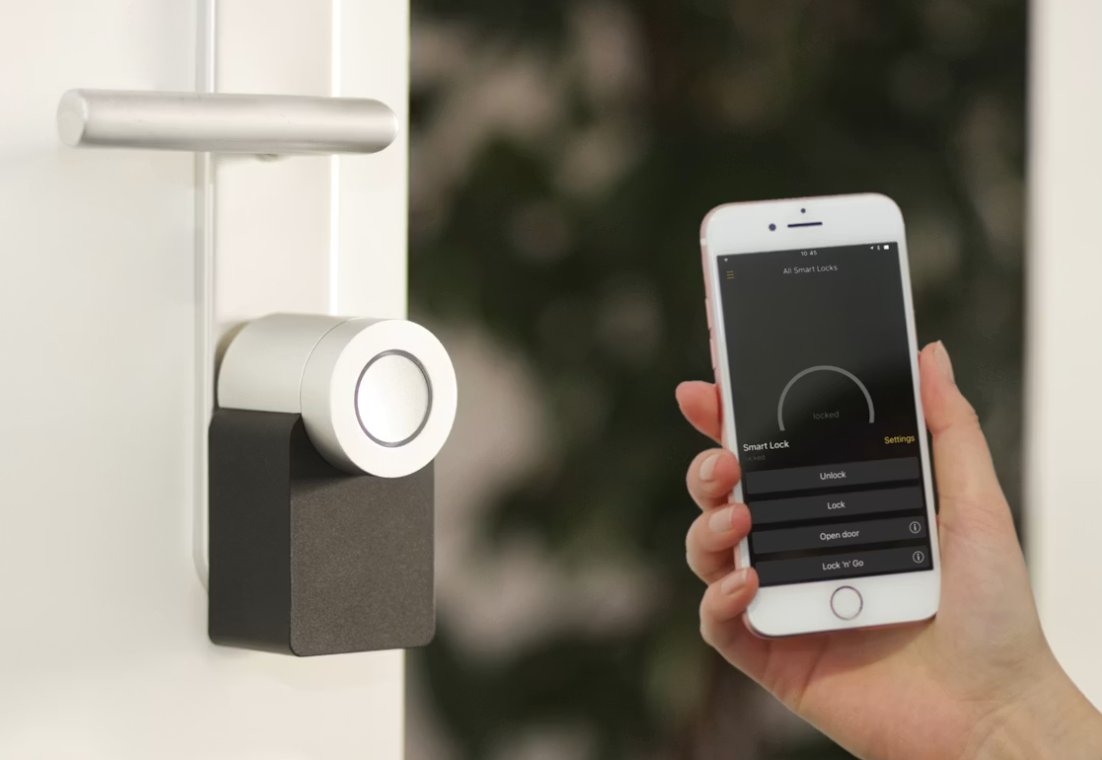
Smart locks allow homeowners to lock and unlock doors using methods such as smartphone apps, digital codes, or other connected features. They can be particularly useful for families, guests, or homeowners who frequently need flexible access.
One major benefit is convenience. Forgetting keys or needing to provide a spare key becomes less of an issue when access can be managed digitally.
However, security should remain the priority. When selecting a smart lock, consider:
Compatibility with your existing door.
The quality of the locking mechanism.
Battery life and backup access options.
Privacy and account security features.
A smart lock should enhance your existing security rather than replace good habits. Strong passwords, regular updates, and careful management of access permissions remain important.
Motion Sensors and Entry Sensors for Extra Protection
Not every security upgrade requires a camera. Sometimes simple sensors can provide valuable protection.
Motion sensors detect movement within specific areas and can trigger alerts or activate other connected devices. They are useful for rooms, hallways, garages, and outdoor spaces.
Entry sensors are commonly placed on doors and windows. They can notify homeowners if an entry point is opened unexpectedly.
These small devices are often affordable and easy to install, making them a practical choice for homeowners who want to improve security without creating a complicated system.
When planning sensor placement, focus on areas that matter most. Installing too many sensors can create unnecessary notifications and make the system harder to manage.
Smart Lighting for Security and Convenience
Lighting plays an important role in home security. A well-lit exterior can make a property less appealing for unwanted activity while improving visibility for residents and visitors.
Smart lighting systems allow homeowners to control lights remotely, create schedules, or connect lighting with other security devices.
For example, outdoor lights can be programmed to turn on at certain times or respond to movement. Indoor lighting can also be scheduled while homeowners are away, creating the appearance that someone is home.
The key is balance. Security lighting should support your overall system without becoming excessive or inconvenient.
Smart Alarms and Integrated Security Systems
For homeowners looking for broader protection, smart alarm systems can bring multiple devices together into one connected platform.
Modern security systems may include:
Door and window sensors.
Motion detection.
Smart alarms.
Security cameras.
Mobile notifications.
Integration with smart home assistants.
The advantage of an integrated system is simplicity. Instead of managing separate devices from different apps, homeowners can often control multiple features through one central platform.
However, more technology does not always mean better security. A smaller system that you understand and maintain properly may be more effective than a complex setup that becomes difficult to manage.
Important Features to Consider Before Buying Smart Security Devices
With so many options available, choosing the right security devices can feel overwhelming. A thoughtful approach helps prevent unnecessary spending.
Start by identifying your security concerns. Are you mainly interested in monitoring deliveries? Protecting entry points? Checking on your home while traveling? Understanding your priorities makes product selection easier.
Privacy should also be a major consideration. Smart security devices collect information, so homeowners should review privacy settings, account protections, and data storage options.
Ease of use is another important factor. A device with impressive specifications is not helpful if it is difficult to install or rarely used.
Compatibility matters as well. If you already use smart home products, choosing devices that work together can create a smoother experience.
Common Mistakes to Avoid When Upgrading Home Security
One common mistake is buying devices without a clear plan. Many homeowners purchase individual products because they seem useful but later discover they do not work well together.
Another mistake is focusing only on technology and ignoring basic security practices. Smart devices work best when combined with strong everyday habits, such as securing doors, maintaining outdoor lighting, and protecting account passwords.
Some homeowners also install cameras without considering placement carefully. A camera pointed at the wrong angle may provide limited value. Strategic placement is often more important than purchasing additional devices.
Finally, avoid ignoring maintenance. Smart security systems require software updates, battery checks, and occasional reviews to continue working effectively.
How to Build a Smart Security System Step by Step
Creating a safer home does not need to happen overnight. Many homeowners can benefit from a gradual approach.
Start with the most important areas, such as the front entrance. A smart doorbell or security camera can provide immediate visibility.
Next, consider adding smart locks, entry sensors, or motion detectors based on your needs.
After building a foundation, you can explore additional features such as smart lighting or full security system integration.
The best smart home security setup is one that matches your lifestyle. A family with children may prioritize entry monitoring, while frequent travelers may value remote access and notifications.
A thoughtful system grows with your needs instead of overwhelming your home with unnecessary technology.
Conclusion
Smart security devices have transformed the way homeowners protect and interact with their living spaces. From cameras and smart locks to sensors and connected lighting, these technologies provide more awareness, flexibility, and control.
The most effective security upgrade is not about purchasing the largest number of devices. It is about understanding your priorities, choosing reliable solutions, and creating a system that fits naturally into your daily routine.
By focusing on practical features, privacy considerations, and ease of use, you can build a smarter home that feels safer, more convenient, and better prepared for the future.
FAQs
What is the most useful smart security device for a new homeowner?
A smart doorbell or security camera is often a good starting point because it provides visibility around important entry areas and helps homeowners monitor activity remotely.
Are smart security devices difficult to install?
Many modern smart security devices are designed for simple installation. However, complexity depends on the product type, existing home setup, and whether professional installation is required.
Do smart security devices work without internet?
Some features may work locally, but many smart security functions, such as remote access and notifications, typically require an internet connection.
Are smart security cameras safe for privacy?
Smart security cameras can be used safely when homeowners choose trusted products, enable security settings, use strong passwords, and review privacy options carefully.
Should I buy individual smart security devices or a complete system?
The best choice depends on your needs. Individual devices can be flexible and affordable, while complete systems may provide easier integration and centralized control.