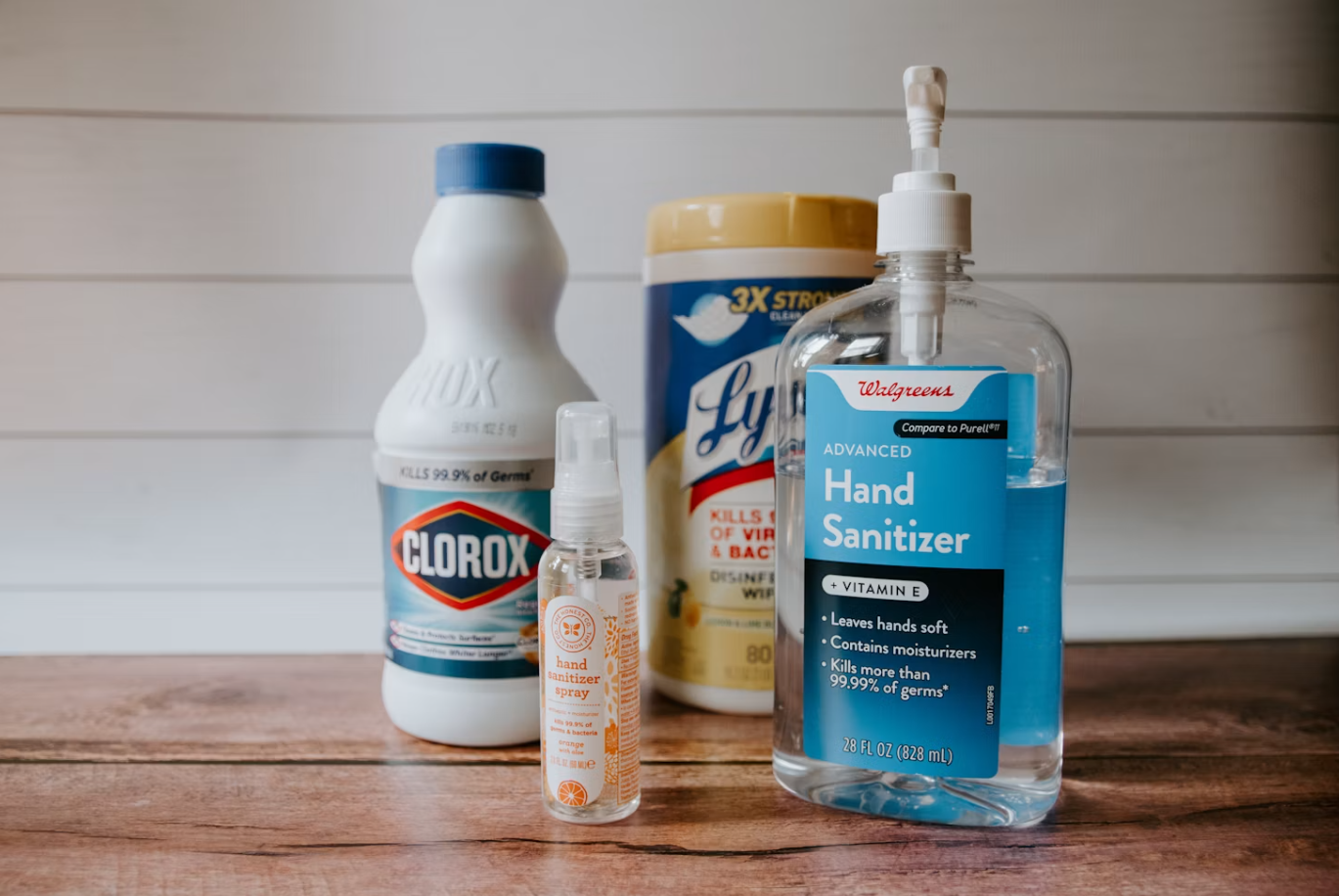
A clean home is not only about spotless floors or sparkling countertops. It is about the quiet relief of walking into a room that feels cared for. It is the kitchen that does not greet you with yesterday’s crumbs, the bathroom mirror that looks fresh before the day begins, and the living room that can be reset before guests arrive without turning the afternoon into a full production.
The secret is rarely a cabinet full of complicated products. In most homes, cleaning becomes easier when the right tools are close at hand, easy to use, and suited to the surfaces you actually live with. A good cleaning kit should feel like a well-edited wardrobe: practical basics, a few specialty pieces, and nothing that sits untouched for years.
For shoppers, this is where smart buying matters. Some cleaning tools are genuinely useful because they save time, improve reach, or make routine chores less frustrating. Others look clever online but add clutter without solving a real problem. This guide breaks down the useful cleaning tools every home should have, what to look for, what is optional, and how to choose tools that make everyday upkeep feel more manageable.
Start With the Basics: What Makes a Cleaning Tool Worth Buying?
A cleaning tool earns its place when it does one of three things well: it saves time, improves results, or makes a task easier to repeat. The best tools are not always the most expensive or the most advanced. Often, they are simple items that fit naturally into your routine.
Before buying anything, consider your home’s surfaces, layout, and lifestyle. A house with hardwood floors may need different tools than an apartment with mostly tile. A home with pets may require stronger hair pickup. A busy family may benefit from tools that are quick to grab, while someone in a small space may prefer compact, multi-purpose options.
Also think about maintenance. A cleaning tool that is hard to clean can become part of the mess. Removable pads, washable cloths, replaceable brush heads, and easy-empty dust containers all matter. The goal is not just to buy cleaning tools, but to build a system you will actually use.
Microfiber Cloths: The Everyday Essential
If there is one cleaning item that belongs in every home, it is a set of microfiber cloths. They are soft, reusable, versatile, and effective on a wide range of surfaces. Use them for dusting, wiping counters, cleaning mirrors, polishing appliances, and handling quick spills.
Microfiber works especially well because the fine fibers can pick up dust and small particles without requiring heavy scrubbing. For many everyday tasks, a damp microfiber cloth is enough. This makes it a practical choice for people who want to reduce disposable paper towel use or avoid using a different cleaning product for every surface.
When shopping, look for cloths with a soft texture and finished edges that are less likely to scratch delicate surfaces. It can also help to choose different colors for different areas of the home. For example, one color for the kitchen, one for the bathroom, and one for dusting. This simple system prevents cross-use and keeps cleaning more hygienic.
A Quality Broom and Dustpan
A broom may seem old-fashioned next to cordless vacuums and robotic cleaners, but it remains one of the most useful tools in the home. It is quiet, lightweight, affordable, and always ready. For quick kitchen crumbs, entryway dirt, balcony dust, or small dry messes, a broom is often faster than pulling out a machine.
Choose a broom based on your floors. Soft bristles work well indoors on smooth surfaces, while firmer bristles are better for outdoor areas or textured floors. An angled broom can help reach corners, baseboards, and tight spaces around furniture.
A good dustpan matters too. Look for one with a rubber edge that sits close to the floor, so dust and crumbs do not slide underneath. A standing dustpan can be useful if you prefer not to bend down, while a compact hand dustpan is easy to store in small homes.
Vacuum Cleaner: Choose for Your Floor Type and Lifestyle
A vacuum cleaner is one of the biggest cleaning-tool decisions for most households. The best choice depends on your flooring, storage space, and how often you clean.
Cordless stick vacuums are popular because they are lightweight and convenient for quick daily use. They are ideal for apartments, small homes, and busy households that need fast cleanup. Canister vacuums can offer strong suction and flexibility, especially for homes with stairs, hard floors, and mixed surfaces. Upright vacuums may work well for larger carpeted areas. Robot vacuums can help maintain floors between deeper cleans, though they still require emptying, maintenance, and occasional rescue from cords or rugs.
When comparing vacuums, look beyond appearance. Consider suction performance, battery life if cordless, dustbin capacity, filter type, attachments, noise level, and ease of cleaning. Pet owners should pay attention to hair pickup and anti-tangle features. People with limited storage may prefer wall-mounted or compact designs.
A vacuum does not need every feature to be useful. It needs to match your floors and your habits.
Mop System for Hard Floors
A mop is essential for kitchens, bathrooms, entryways, and any hard flooring. But not all mops suit all homes. Traditional string mops can handle heavier cleaning but may be bulky and slow to dry. Spray mops are convenient for quick daily touch-ups. Flat mops with washable pads are easy to store and work well on many smooth floors. Spin mop systems can be useful if you want better water control without wringing by hand.
The most important buying factor is floor compatibility. Wood, laminate, tile, vinyl, and stone may all have different care needs. Too much water can damage certain floors, so a mop that allows you to control moisture is often a smarter choice.
Washable mop pads are a practical feature because they reduce repeat purchases and can be cleaned after use. If you choose a mop with disposable pads, consider the long-term cost and waste. For many households, a simple flat mop with reusable pads offers a good balance of convenience, storage, and value.
Scrub Brushes for Tougher Jobs
Some messes need more than a cloth. A few well-chosen scrub brushes can make kitchens, bathrooms, grout lines, sinks, and outdoor areas much easier to clean.
A medium handheld scrub brush is useful for sinks, tubs, tiles, and stubborn spots. A smaller detail brush can reach around faucets, grout, sliding door tracks, and appliance edges. A long-handled brush is helpful for showers, floors, and areas where you want extra reach.
When buying scrub brushes, consider bristle stiffness. Soft bristles are safer for delicate surfaces, while stiff bristles are better for heavy-duty cleaning. Avoid using harsh brushes on surfaces that scratch easily, such as some stainless steel, acrylic, painted finishes, or delicate stone.
A brush should feel comfortable in your hand. If the handle is awkward, you are less likely to use it. Good grip, durable bristles, and easy rinsing are more important than fancy design.
Extendable Duster for High and Hidden Dust
Dust does not only settle on visible shelves. It gathers on ceiling fans, curtain rods, light fixtures, vents, tall cabinets, and the tops of doors. An extendable duster helps you reach these areas without dragging out a chair every time.
Look for a duster with a washable or replaceable head and a handle that extends smoothly. A flexible head can be helpful for ceiling fans, corners, and awkward angles. Microfiber dusters are especially useful because they hold dust rather than simply moving it around.
This tool is optional for very small spaces, but valuable in homes with high ceilings, tall furniture, or ceiling fans. Regular dusting of high areas also helps prevent dust from falling onto freshly cleaned surfaces below.
Squeegee for Glass, Mirrors, and Shower Doors
A squeegee is a simple tool that can make a bathroom look cleaner with very little effort. Use it on shower glass, tiles, mirrors, and windows to remove water and reduce streaking.
For homes with glass shower doors, keeping a squeegee nearby can help prevent water spots and buildup. It takes less than a minute after a shower and can reduce the need for deeper scrubbing later. For windows, a larger squeegee can help create a clearer finish than wiping alone.
Choose a squeegee with a comfortable handle and a smooth rubber blade. The blade should sit evenly against the surface. If it skips or leaves lines, it may not be worth keeping. Compact models are fine for bathrooms, while wider versions are better for windows and large glass panels.
Toilet Brush and Holder
A toilet brush is not glamorous, but it is necessary. The best one is sturdy, easy to rinse, and stored in a holder that allows ventilation. Avoid designs that trap water without airflow, as they can become unpleasant quickly.
Some toilet brushes come with replaceable heads, while others use silicone bristles. Traditional bristles can scrub effectively, but silicone may rinse more easily. The right choice depends on your preference and cleaning habits.
Keep one brush per bathroom if possible. This avoids carrying tools from one area to another and makes regular cleaning more convenient. For a more polished look, choose a simple holder that blends with your bathroom decor without calling attention to itself.
Bucket or Cleaning Caddy
A bucket or cleaning caddy helps keep supplies organized and portable. Without one, cleaning often involves multiple trips back and forth to collect cloths, sprays, brushes, and gloves.
A caddy is best for carrying smaller supplies from room to room. Look for one with a sturdy handle, divided sections, and enough space for your everyday cleaning items. A bucket is more useful for mopping, soaking, rinsing, or carrying water.
For many homes, both are useful. A caddy stores routine supplies, while a bucket handles wet cleaning tasks. If storage space is limited, choose a bucket that can hold your cleaning products when not in use.
Reusable Gloves
Cleaning gloves protect your hands from hot water, grime, and repeated exposure to cleaning products. They are especially helpful for dishwashing, bathroom cleaning, trash handling, and scrubbing tasks.
Look for gloves that fit well and offer enough grip. Gloves that are too loose can feel clumsy, while gloves that are too tight can be uncomfortable. Longer cuffs help prevent water from running inside. Some gloves have textured palms for better control when holding wet dishes, bottles, or brushes.
It can be useful to keep separate pairs for the kitchen and bathroom. Choose different colors or store them in clearly separate areas. After use, rinse and hang them to dry fully.
Lint Roller or Pet Hair Remover
Even homes without pets can benefit from a lint roller. It is useful for clothing, upholstery, lampshades, fabric headboards, curtains, and car seats. For pet owners, a dedicated pet hair remover can be even more valuable.
Disposable lint rollers are convenient, but reusable fabric or rubber hair removers may be more cost-effective over time. The best choice depends on how often you need it and what surfaces you clean.
If pet hair is a daily issue, look for tools designed for upholstery and carpets, not just clothing. A small handheld pet hair remover can live near the sofa or entryway for quick touch-ups before guests arrive.
Cleaning Toothbrush or Detail Tool
A detail brush is one of those small tools that quietly solves many annoying problems. Old toothbrushes can work, but dedicated cleaning detail brushes often have firmer bristles and better shapes for tight areas.
Use them around faucets, sink edges, grout lines, appliance buttons, window tracks, drains, and tile corners. These are the places where dirt tends to collect because larger tools cannot reach them.
Keep detail brushes separate from personal care items and store them with cleaning supplies. A small set with different brush shapes can be useful, but one or two basic brushes are enough for most households.
Trash Bags and Small Liners
Cleaning is not only about wiping and scrubbing. It also involves removing waste efficiently. Keeping the right trash bags and small bin liners on hand makes everyday cleanup easier.
Choose bags that fit your bins properly. Bags that are too small slip down, while oversized bags waste material and look untidy. For bathrooms, bedrooms, and office bins, small liners can make emptying faster and cleaner.
Consider where trash tends to collect. A small bin in the laundry area, home office, or near a changing station can prevent waste from gathering on surfaces. The best cleaning systems make disposal easy at the point where mess happens.
Storage for Cleaning Supplies
Useful cleaning tools need a practical home of their own. If your supplies are scattered across several cabinets, you may waste time searching or accidentally buy duplicates.
Choose one main storage area for cleaning products and tools. This might be a laundry cabinet, utility closet, under-sink area, or rolling cart. Use bins or caddies to separate categories such as cloths, floor care, bathroom supplies, refills, and specialty tools.
Safety matters too. Store cleaning products away from children and pets, and avoid mixing products unless the label specifically says it is safe. Keep tools dry before storing them to prevent odors and wear.
What Is Optional, But Nice to Have?
Not every home needs every trendy cleaning gadget. Steam cleaners, carpet cleaners, electric scrubbers, robot vacuums, window vacuums, and air dusters can be helpful, but only for the right household.
A steam cleaner may be useful for certain sealed surfaces, but it is not suitable for everything. A carpet cleaner can be worthwhile if you have large carpeted areas, pets, or frequent spills, but may be unnecessary in a home with mostly hard floors. An electric scrubber can reduce effort for showers and tiles, though it still requires proper handling and storage.
Before buying optional tools, ask how often you will use them, where you will store them, and whether they replace effort or simply add another item to maintain. A specialty tool is worth considering when it solves a repeated problem.
Common Cleaning Tool Mistakes to Avoid
One common mistake is buying too many similar tools. Three mops, five brushes, and a drawer full of cloths do not automatically create a cleaner home. A smaller set of reliable tools is usually easier to maintain.
Another mistake is choosing tools that are difficult to store. If a vacuum is too bulky or a mop system takes up too much room, it may become frustrating. Storage should be part of the buying decision, not an afterthought.
It is also easy to ignore replacement parts. Filters, mop pads, brush heads, and vacuum attachments may need cleaning or replacing over time. Check whether replacements are easy to find before choosing a tool.
Finally, avoid using the wrong tool on the wrong surface. A stiff brush can scratch delicate finishes. Too much water can damage certain floors. Abrasive pads can dull shiny surfaces. When in doubt, start gently and follow the care guidance for the surface.
How to Build a Practical Home Cleaning Kit
A smart starter cleaning kit does not need to be large. Begin with microfiber cloths, a broom and dustpan, a vacuum, a suitable mop, a scrub brush, a toilet brush, gloves, a squeegee, and a caddy. Add specialty tools only when you notice a repeated need.
Think of your cleaning kit in layers. Daily tools should be easy to access: cloths, broom, vacuum, and basic wipes. Weekly tools may include mops, scrub brushes, and bathroom supplies. Occasional tools can live in deeper storage, such as carpet cleaners, extendable dusters, or seasonal outdoor brushes.
The best kit is one that fits your actual home. A minimalist apartment, a family house, and a pet-friendly space will all need slightly different tools. Good buying is not about owning everything. It is about owning what earns its place.
Conclusion
Cleaning becomes less overwhelming when your tools are useful, accessible, and chosen with intention. A home does not need a cabinet full of gadgets to feel fresh and cared for. It needs dependable basics: cloths that wipe well, a vacuum that suits your floors, a mop that is easy to use, brushes that reach stubborn spots, and a simple way to carry and store supplies.
As you shop for cleaning tools, focus on your surfaces, routines, storage space, and the messes you deal with most often. Avoid overbuying, skip tools that do not solve a real problem, and choose items that make regular upkeep easier to repeat. A well-edited cleaning kit can turn household chores from a weekend burden into a smoother rhythm of everyday care.
FAQs
What cleaning tools should every home have?
Every home should have microfiber cloths, a broom and dustpan, a vacuum cleaner, a mop suitable for the floor type, scrub brushes, a toilet brush, reusable gloves, a squeegee, and a caddy or bucket. These basics cover most everyday cleaning tasks without requiring too many specialty products.
Are expensive cleaning tools always better?
Not always. A higher price can sometimes mean better materials, stronger suction, or longer-lasting design, but usefulness depends on how well the tool fits your home. A simple, durable tool that you use often is usually more valuable than an expensive gadget that stays in storage.
How often should cleaning tools be replaced?
It depends on the tool and how often it is used. Microfiber cloths and mop pads should be replaced when they lose texture or stop cleaning well. Vacuum filters, brush heads, and sponges may need more regular attention. Replace any tool that smells, breaks, sheds, scratches, or no longer performs properly.
What is the best cleaning tool for pet hair?
A good vacuum with strong hair pickup is the most important tool for pet owners. A reusable pet hair remover or lint roller is also useful for sofas, clothing, curtains, and car seats. For best results, keep one quick-use hair tool near the area where your pet spends the most time.
How can I avoid buying unnecessary cleaning gadgets?
Start with basic tools and only add specialty items when you notice a repeated cleaning problem. Before buying, ask whether the tool saves time, improves results, fits your storage space, and is easy to maintain. If it only solves a rare problem, it may not be worth the extra clutter.