A good morning hair routine should not feel like a negotiation with the clock. The alarm rings, the coffee starts, the wardrobe decision waits, and somehow your hair still needs to look intentional before the day properly begins. For many people, the goal is not a salon-level finish at 7:30 in the morning. It is smoother hair, softer shape, less frizz, better volume, and a polished look that does not take half an hour to create.
That is where the right hair styling tools make a real difference. The best tools for quick morning use are not necessarily the most advanced or expensive. They are the ones that heat up quickly, feel easy to handle, suit your hair type, and help you get a reliable result without turning your bathroom counter into a professional styling station.
A quick routine is not about rushing carelessly. It is about choosing tools that work with your natural hair texture, your haircut, your schedule, and your level of patience. Whether you prefer sleek straight hair, soft waves, fresh volume, or a simple tidy finish, the right tool can make getting ready feel calmer and more predictable.
What Makes a Hair Styling Tool Good for Mornings?
Morning-friendly styling tools share a few important qualities. They should be fast, easy to use, and consistent. A tool that takes too long to heat, feels heavy in the hand, or requires complicated technique may be impressive on paper but frustrating in real life.
Speed matters, but control matters just as much. High heat can style quickly, but it is not always the best choice for every hair type. Fine hair may need lower temperatures, while thick or coarse hair may require more power. Adjustable heat settings are valuable because they let you adapt the tool to your hair instead of forcing your hair to adapt to the tool.
Ease of storage is another overlooked detail. If a styling tool is too bulky, has a tangled cord, or never fits neatly in your drawer, you may avoid using it. Morning tools should be simple to grab, use, cool, and put away safely.
Finally, think about your actual goal. Do you need a tool for smoothing, shaping, drying, volume, touch-ups, or travel? A great choice starts with a clear purpose.
Hair Dryer Brushes for Smooth, Fast Styling
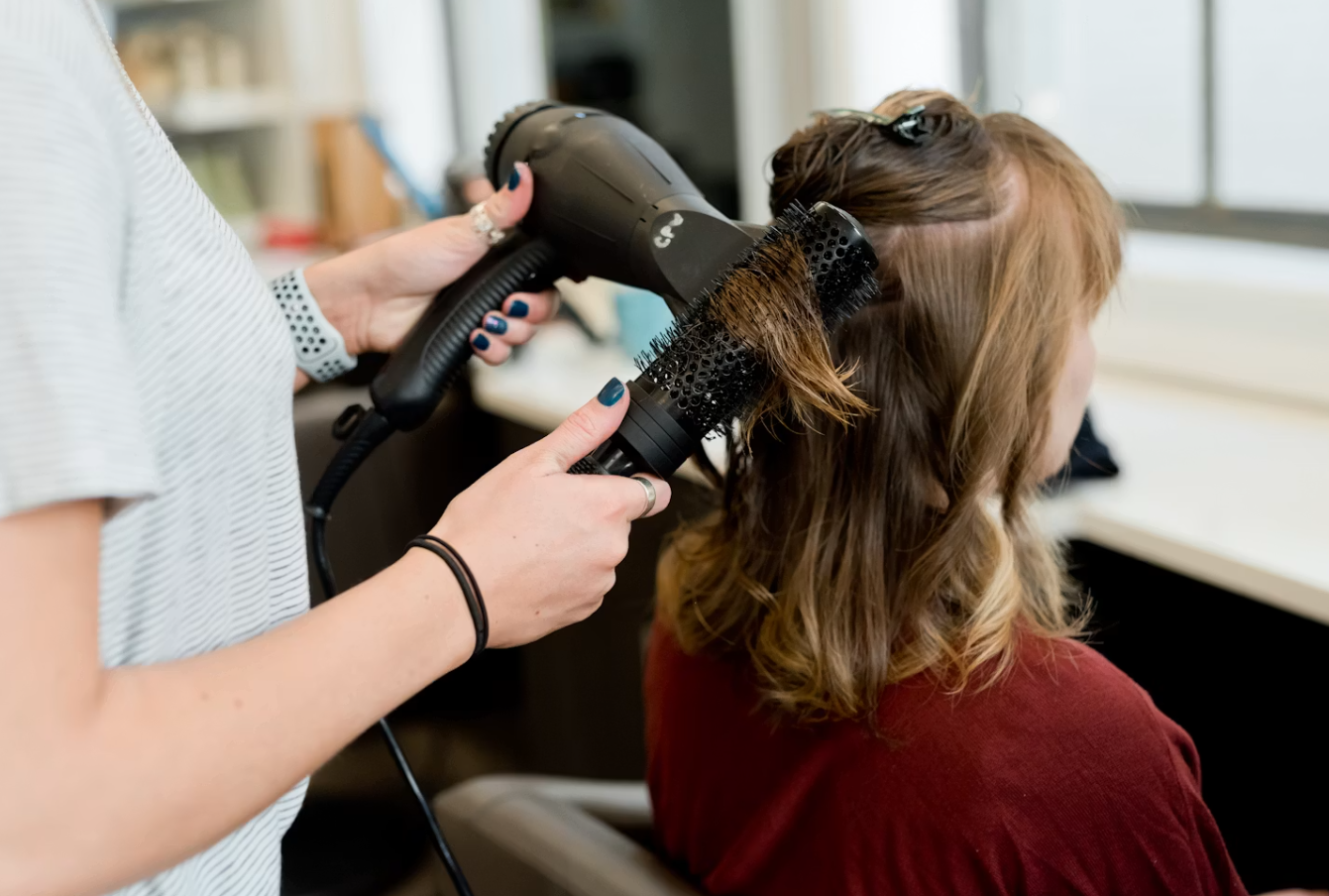
A hair dryer brush is one of the most useful tools for people who want to dry and style at the same time. Instead of juggling a round brush in one hand and a dryer in the other, this tool combines airflow and brushing in a single design. It can help create a smoother finish, lifted roots, and soft shape through the ends.
This type of tool works especially well for medium to long hair, layered cuts, and anyone who wants a blowout-inspired look without a complicated technique. It is also helpful for refreshing hair that is slightly damp or mostly dry, especially around the crown, fringe, or face-framing pieces.
When shopping, pay attention to barrel size. Larger barrels are better for volume and smoother bends, while smaller barrels offer more control for shorter hair or tighter styling near the roots. Multiple heat settings are important, and a cool setting can help finish the style.
The common mistake is using a dryer brush on soaking wet hair. For quicker and more comfortable styling, towel-dry first or let the hair air-dry partially. This helps reduce styling time and makes the finish look more controlled.
Flat Irons for Sleek Hair and Quick Touch-Ups
A flat iron is a classic morning tool because it can quickly smooth bends, tame uneven sections, and create a more polished appearance. It is especially useful for hair that looks slightly creased after sleeping or for pieces around the face that need extra control.
The best flat iron for daily use should have adjustable temperature settings, smooth plates, and a comfortable grip. Ceramic plates are often popular for even heat distribution, while titanium plates may appeal to users with thicker hair who need strong styling performance. What matters most is choosing a tool that glides smoothly without snagging.
A flat iron can also create soft waves once you learn the technique, making it more versatile than many people expect. For quick mornings, however, it is often best used selectively. Instead of straightening every section, focus on the most visible areas: the front layers, crown, and ends.
Avoid using maximum heat by default. A lower effective temperature is usually a smarter place to begin, especially if your hair is fine, color-treated, or prone to dryness. Always use heated tools according to product directions and consider applying a suitable heat protectant before styling.
Curling Wands for Soft, Effortless Waves
Curling wands are ideal for people who want relaxed waves without the more structured look of traditional curls. Because there is no clamp, the finish can look soft and modern, especially when you curl only selected sections rather than the entire head.
For morning use, a medium barrel is often the most versatile. It can create loose waves on longer hair and softer movement on medium lengths. A tapered wand gives a more casual, undone effect, while a uniform barrel creates more consistent waves.
The key to speed is not perfection. Quick waves look best when they feel slightly effortless. Curl a few face-framing pieces, add movement through the top layer, then gently separate with your fingers once the hair cools. This gives the impression of styled hair without requiring every section to be identical.
A heat-resistant glove can be useful, especially for beginners. Also consider the cord length, heat-up time, and whether the wand has an auto shut-off feature for peace of mind.
Curling Irons for More Controlled Styling
A curling iron with a clamp is useful when you want more control, especially if you prefer defined curls, polished ends, or a classic curled-under finish. It can be easier than a wand for people who like the hair held in place while styling.
Curling irons work well for shorter cuts, layered styles, and anyone who wants a more refined result. A smaller barrel can create tighter curls or help style short layers, while a larger barrel is better for soft volume and loose movement.
For quick mornings, use a curling iron strategically. You may not need to curl every layer. Styling the front pieces, the top section, and the ends can make the whole hairstyle look more finished. This is especially useful when hair is clean but slightly flat or uneven from sleeping.
The main mistake is holding hair on the barrel too long. Quick contact is often enough, depending on hair type and heat setting. Over-styling can make hair feel stiff or overly done, while a lighter touch keeps the look fresh and wearable.
Hot Air Brushes for Second-Day Hair
A hot air brush is slightly different from a traditional hair dryer brush, though the categories can overlap. Many hot air brushes are designed to refresh, smooth, and shape hair rather than fully dry it from wet. They can be especially useful for second-day hair that needs volume at the roots or softness through the ends.
This tool is helpful for people who do not wash their hair every morning but still want it to look revived. A few passes through the crown and front sections can make hair appear more put together. It can also help smooth ponytail creases or reshape bangs.
Look for a tool with gentle airflow, manageable heat, and a brush shape that suits your hair length. If you have short hair, a very large barrel may feel awkward. If you have long, thick hair, a small brush may take too long.
Hot air brushes are not always the best choice for dramatic styling. Their strength is subtle improvement: lift, smoothness, and fresh movement.
Compact Hair Dryers for Fast Drying
A good hair dryer remains one of the most practical tools for quick mornings. Even if you do not create a full blowout, a reliable dryer can speed up the process after washing, help set your part, lift roots, and reduce the damp, unfinished look that makes hair harder to manage.
For daily use, weight matters. A lightweight dryer is easier to handle, especially if you have thick or long hair. Multiple speed and heat settings are helpful because they allow more control. A concentrator nozzle can smooth sections, while a diffuser is useful for curls and waves.
Power is important, but comfort and control are equally valuable. A dryer that is too hot or too forceful may make styling harder, not easier. The goal is efficient drying with enough control to guide the hair into shape.
If mornings are usually rushed, consider drying the roots first. Damp roots can make hair look flat or unfinished even when the ends are mostly dry. Focusing on the crown, hairline, and part can give a faster polished effect.
Diffusers for Natural Curls and Waves
For curly and wavy hair, a diffuser can be a morning essential. It attaches to a hair dryer and spreads airflow more gently, helping curls dry with less disruption than direct air. The result can be more defined shape and less unwanted puffiness when used with a suitable routine.
A diffuser is useful for wash days, refresh days, or mornings when curls need a little help returning to form. Some people use it on low heat and low speed after applying styling product, while others use it to revive dampened sections.
The shape of the diffuser matters. A deeper bowl can hold more hair, while longer prongs can help lift roots. Universal diffusers may fit many dryers, but it is important to check compatibility before buying.
The mistake to avoid is moving the diffuser too aggressively. Gentle lifting and holding usually works better than constant motion. Curls often need patience, even in a quick routine.
Heated Straightening Brushes for Easy Smoothing
A heated straightening brush can be a good option for people who want smoother hair without the pin-straight effect of a flat iron. It looks like a brush but uses heat to soften frizz, relax bends, and create a tidier finish.
This tool is often best for medium to thick hair, slightly wavy hair, or hair that needs a quick refresh. It may not replace a flat iron for very sleek styles, but it can be faster and more natural-looking for everyday use.
Look for adjustable temperature settings, protected bristles, and an easy-to-read display. The brush should glide comfortably without pulling. It is usually best used on dry hair, unless the product specifically says otherwise.
A heated brush is ideal when your goal is not transformation but refinement. It takes morning hair from rumpled to presentable with minimal technique.
Mini Styling Tools for Travel and Small Spaces
Mini flat irons, compact curling wands, and travel dryers can be extremely useful for people who travel often, live in small spaces, or need quick touch-ups at work or the gym. They are not always as powerful as full-size tools, but they can be convenient for specific situations.
A mini flat iron is especially helpful for bangs, short hair, face-framing pieces, and small areas that need precision. A compact curling wand can add quick shape to the front sections without taking up much luggage space.
Before buying travel tools, check voltage compatibility if you plan to use them internationally. Also consider whether the tool includes a heat-resistant pouch, which can make packing safer and easier.
Mini tools are best viewed as support pieces. They may not be ideal for styling a full head of thick hair every day, but they are excellent for targeted fixes.
Heatless Styling Tools for Overnight Ease
Quick morning styling does not always have to happen in the morning. Heatless styling tools, such as soft curling rods, satin curling bands, foam rollers, and flexible wraps, can shape hair while you sleep or while you get ready.
The appeal is simple: you do most of the work earlier, then remove the tool in the morning for waves, bends, or volume. This can be especially helpful for people trying to reduce daily heat styling or those who prefer a softer, relaxed finish.
Comfort is the deciding factor. If a heatless tool is difficult to sleep in, slips out, or pulls at the scalp, it will not become a habit. Hair length and texture also influence results, so some experimentation may be needed.
Use realistic expectations. Heatless tools may create beautiful movement, but they are less predictable than heated tools. They work best when you enjoy a slightly undone, natural look rather than a perfectly uniform style.
Velcro Rollers for Volume Without Much Effort
Velcro rollers are a classic beauty tool that still earns a place in modern routines. They can add lift at the crown, shape curtain bangs, and give ends a soft bend while you finish makeup, get dressed, or make breakfast.
They are especially useful for fine or medium hair that falls flat quickly. You can use them on dry hair after a quick pass with a dryer or warm tool, then let the hair cool in place. The result is often soft volume rather than a tight curl.
Size matters. Large rollers create volume and gentle shape, while smaller rollers create more bend. Avoid pulling them out roughly, as this can cause tangles. Unroll gently and use fingers or a wide-tooth comb to soften the result.
Velcro rollers are inexpensive, lightweight, and low-tech, which makes them ideal for a simple morning routine.
A Good Brush and Comb Set
No hair styling routine works well without the basics. A detangling brush, wide-tooth comb, paddle brush, or round brush can make a bigger difference than many people expect.
A wide-tooth comb is useful for detangling damp hair or working through conditioner. A paddle brush can smooth longer hair quickly. A round brush helps add volume and shape when used with a dryer. A boar-style or mixed-bristle brush may help smooth the surface of certain hair types, while a flexible detangling brush can be gentler on knots.
The best brush depends on your texture and styling habits. Curly hair may need a different tool than fine straight hair. Thick hair may benefit from stronger bristles, while fragile hair may need a softer approach.
Do not overlook cleaning. Brushes collect hair, product residue, and lint. A clean brush makes styling feel fresher and helps products distribute more evenly.
Hair Clips and Sectioning Tools
Clips may seem like a small detail, but they can make styling much faster. Sectioning clips help keep hair organized while you blow-dry, curl, straighten, or apply products. They are especially useful for thick, layered, or long hair.
Instead of trying to style random pieces, clips let you work in clean sections. This can reduce missed areas and help the final look appear more balanced. Even for quick styling, separating the top layer from the lower layer can make the process easier.
Look for clips that hold securely without leaving strong dents. Lightweight clips are helpful for fine hair, while stronger clips are better for thick hair.
A few good clips can make even basic tools perform better because they help you style with intention.
Choosing Tools Based on Hair Type
Hair type should guide your tool choices. Fine hair often benefits from lightweight tools, lower heat settings, volumizing brushes, and rollers. Too much heat or heavy styling can make fine hair fall flat.
Thick hair usually needs tools with stronger airflow, wider plates, or more consistent heat. However, power should still be balanced with control. A tool that styles quickly but feels difficult to manage may not be ideal for daily use.
Curly and coily hair may benefit from diffusers, wide-tooth combs, gentle drying tools, and styling accessories that preserve shape. Tools should support curl pattern rather than fight against it unless you intentionally want a smoother or straighter style.
Short hair often needs precision. Mini flat irons, small round brushes, and compact hot tools can work better than oversized barrels. Long hair may need larger tools to style efficiently.
The best choice is not universal. It is personal, practical, and connected to the way your hair behaves on an ordinary morning.
Important Features to Look For
When comparing hair styling tools, start with adjustable heat settings. This gives you flexibility and helps avoid using more heat than needed. Fast heat-up time is helpful for busy mornings, but it should not be the only deciding factor.
Auto shut-off is another valuable feature, especially if you often leave the house in a hurry. A swivel cord can make styling easier, while a long cord may be useful depending on your outlet placement. For cordless tools, battery life and charging time matter.
Weight and grip are often underestimated. A tool that feels comfortable in the store or product photo may feel tiring after ten minutes. If possible, look at product dimensions and weight before buying.
Attachments can add value, but only if you will use them. A dryer with five attachments is not automatically better than one with two well-designed attachments that match your routine.
Common Mistakes to Avoid
One common mistake is buying a tool because it is trending rather than because it fits your hair. A viral tool may work beautifully for one texture and feel completely wrong for another.
Another mistake is using too much heat too often. Quick styling does not have to mean maximum temperature. Start lower and increase only if needed. Pair heated tools with appropriate hair care products and follow usage instructions carefully.
Many shoppers also overlook storage. If a tool is difficult to store safely, it may become clutter or a hazard. Heat-resistant mats, pouches, and countertop organizers can make daily use easier.
Finally, avoid expecting one tool to do everything perfectly. A dryer brush may smooth and shape, but it may not create tight curls. A flat iron may sleek hair beautifully, but it may not add volume. Choose based on your most common need.
A Simple Morning Styling Strategy
The easiest routine is the one that focuses on visible impact. You do not always need to style every strand. Smooth the face-framing pieces, lift the roots, polish the ends, or refresh the top layer. These small details often make the entire hairstyle look more intentional.
Prepare the night before when possible. Detangle before bed, use a silk or satin pillowcase if you like the feel, or try a loose protective style that helps reduce morning creases. In the morning, use the tool that solves the main issue rather than starting from scratch.
Think of styling tools as editors, not magicians. They refine what is already there. When your haircut, products, and tools work together, the morning routine becomes much easier.
Conclusion
The best hair styling tools for quick morning use are the ones that fit your hair, your schedule, and your comfort level. A dryer brush can create smooth volume, a flat iron can polish uneven sections, a curling wand can add quick movement, and a diffuser can support natural texture. Simple accessories such as clips, rollers, brushes, and combs can be just as valuable because they make styling more organized and efficient.
Instead of building a drawer full of tools, start with the one problem you face most often. Flat roots, frizzy ends, limp waves, damp hair, or messy bangs each call for a different solution. Choose thoughtfully, use heat carefully, and keep your routine realistic. The right tool will not make mornings perfect, but it can make them feel noticeably easier.
FAQs
What is the best hair styling tool for busy mornings?
A hair dryer brush is one of the most practical options for busy mornings because it can dry, smooth, and shape hair in one step. However, the best tool depends on your hair type and desired result. A flat iron may be better for quick smoothing, while a diffuser may be better for curls.
Are expensive hair styling tools always better?
Not always. Higher-priced tools may offer better materials, faster heat-up, or more consistent temperature control, but the best choice is the one that suits your hair and routine. A mid-range tool with adjustable settings and comfortable handling can be a smarter everyday option.
Which tool is best for adding quick volume?
Velcro rollers, round brushes, hair dryer brushes, and hot air brushes can all help add volume. For quick root lift, focus on the crown and front sections rather than styling the entire head. Letting hair cool in place can also help the shape last longer.
Can I use hot styling tools every morning?
Many people use heated tools regularly, but it is wise to avoid unnecessary heat and follow product instructions. Use adjustable temperatures, avoid maximum heat unless needed, and consider a suitable heat protectant. Heatless tools can also be useful on days when you want a gentler styling option.
What hair styling tool should I buy first?
Start with the tool that solves your most common problem. If your hair is often damp in the morning, choose a good dryer or dryer brush. If your hair has creases or frizz, consider a flat iron or heated brush. If you want soft waves, a curling wand or heatless styling tool may be more useful.