A simple wardrobe has a quiet kind of luxury. It is the feeling of opening your closet in the morning and not having to negotiate with every hanger. No crowded rails, no “almost right” tops, no jeans that only work with one specific pair of shoes. Just clothes that fit your life, flatter your shape, and make getting dressed feel calm instead of complicated.
Everyday fashion essentials are the pieces that do the most work with the least drama. They are not boring basics. They are the reliable foundation of personal style: the white shirt that sharpens denim, the knit that softens tailored trousers, the black dress that can handle dinner, travel, or a last-minute meeting. When chosen well, these pieces create a wardrobe that feels polished without requiring endless shopping.
The goal is not to own less for the sake of owning less. It is to own better. A simple wardrobe should still have personality, texture, color, and mood. It should make room for the way you actually live, not the imaginary version of your life that only wears linen on vacation and never spills coffee.
This guide explores the best everyday fashion essentials for a simple wardrobe, with practical advice on what matters, what is optional, and how to shop more thoughtfully. Whether you are rebuilding your closet, refining your personal style, or simply tired of saying “I have nothing to wear,” these pieces can help you create a wardrobe that works beautifully in real life.
Why a Simple Wardrobe Works So Well
A simple wardrobe works because it reduces decision fatigue. When your closet is filled with pieces that coordinate easily, getting dressed becomes less about problem-solving and more about choosing a mood. You might want to look relaxed, refined, comfortable, polished, or quietly elegant, but you should not need twenty minutes to assemble an outfit.
The best simple wardrobes are built on versatility. A single item should work in several ways. A crisp button-down can be worn with trousers for work, open over a tank on weekends, tucked into jeans for dinner, or layered under a sweater in cooler weather. A good pair of black pants can move from office hours to evening plans with a change of shoes and earrings.
Simplicity also helps shoppers become more selective. Instead of buying five average tops, you may decide to invest in one or two that fit better, feel nicer, and work across more outfits. This is not about luxury pricing. It is about understanding value: cost per wear, comfort, durability, and how often a piece solves your dressing needs.
A simple wardrobe should feel edited, not empty. The right essentials create structure, while a few personal accents add charm. Think of essentials as the clean canvas, and your favorite accessories, colors, and details as the brushstrokes.
The Perfect Everyday T-Shirt
A well-fitting T-shirt is one of the most useful pieces in any wardrobe. It can be worn under a blazer, with jeans, tucked into a skirt, layered beneath a cardigan, or styled with tailored trousers for a casual but intentional look.
The most versatile colors are usually white, black, gray, navy, and soft neutrals. But the best color depends on your wardrobe and skin tone. If stark white feels too sharp, try ivory. If black feels heavy, charcoal or deep navy may be easier.
Fit matters more than people realize. A great T-shirt should sit smoothly at the shoulders, skim the body without clinging, and hold its shape after washing. Crew necks feel classic and clean, while V-necks can look softer and more open. A slightly boxy cut can feel modern, especially with high-waisted bottoms.
Fabric is another key detail. Cotton is breathable and familiar, while cotton blends may offer stretch and shape retention. Thicker fabrics often look more polished, while very thin tees can become sheer or lose structure quickly. For an everyday wardrobe, choose T-shirts that feel comfortable but not flimsy.
A Crisp Button-Down Shirt
A button-down shirt has a way of making even simple outfits look considered. It brings structure without stiffness and can shift easily between professional, casual, and relaxed settings.
White and light blue are classic choices, but striped, ivory, pale pink, or soft beige shirts can be equally versatile. The right shirt should fit comfortably through the shoulders and chest, with enough room to move. If buttons pull or the fabric feels restrictive, the shirt will likely stay in the closet.
Cotton poplin feels crisp and polished, while linen has a breezier, more relaxed character. Oxford cloth offers a slightly heavier, casual feel that works beautifully with denim. The best choice depends on your lifestyle. If you dislike ironing, look for fabrics that hold up well with minimal care or embrace a slightly relaxed finish.
The styling options are almost endless. Wear it tucked into trousers, half-tucked into jeans, tied at the waist over a dress, or layered open over a tank top. A button-down is one of those essentials that quietly multiplies the rest of your wardrobe.
A Reliable Pair of Jeans
Jeans are often the backbone of everyday dressing. The challenge is not finding jeans, but finding the pair you reach for without hesitation.
A simple wardrobe benefits from one or two dependable denim styles. Straight-leg jeans are especially versatile because they work with sneakers, loafers, ankle boots, and sandals. A slim straight cut can feel polished, while a relaxed straight cut looks more casual. Wide-leg jeans can also be a strong choice if they fit well through the waist and hips.
Wash matters. Dark denim often feels dressier and easier to wear for smart-casual settings. Medium blue denim feels classic and relaxed. Black denim can replace casual trousers in many outfits. Very distressed styles may be fun, but they are less versatile for a simple wardrobe.
When shopping, pay attention to rise, stretch, inseam, and pocket placement. The best jeans should feel comfortable when sitting, standing, and walking. If you need to adjust them constantly, they are not your everyday pair.
Tailored Trousers
Tailored trousers are one of the easiest ways to elevate a wardrobe. They offer polish without needing to feel formal. Paired with a T-shirt, they create an effortless city look. Worn with a blouse or knit, they are ready for work or dinner.
Black, navy, camel, gray, and cream are versatile colors. A straight-leg or slightly wide-leg cut tends to work across many outfits. High-waisted trousers can elongate the look of the leg, while mid-rise styles may feel more comfortable for everyday wear.
The fabric should suit your climate and routine. Lightweight wool blends, crepe, cotton twill, and structured blends can all work well. If you commute, travel, or sit for long hours, wrinkle resistance and comfort are worth considering.
Tailored trousers are especially useful because they make simple tops look intentional. A plain tee with jeans can feel casual. The same tee with trousers can feel refined. That is the quiet power of a good essential.
A Simple Knit Sweater
A simple knit sweater adds softness, warmth, and texture to a wardrobe. It is the piece you reach for when a T-shirt feels too casual and a blazer feels too structured.
The most useful styles are crew neck, V-neck, cardigan, and lightweight turtleneck. Neutral shades such as oatmeal, gray, black, navy, cream, and camel are easy to style, but a soft seasonal color can also become a signature.
Material matters. Cotton knits are breathable and easy for transitional weather. Merino wool is lightweight and warm. Cashmere feels luxurious but may require more care. Synthetic blends can be affordable and durable, though quality varies widely.
A good knit should drape well without looking stretched out. It should work with denim, trousers, skirts, and layered shirts. Avoid overly trendy cuts if you want maximum wear. A clean shape, good texture, and comfortable feel will usually last longer in your wardrobe.
The Everyday Blazer
A blazer is not just for office dressing. In a simple wardrobe, it acts like a style shortcut. It sharpens jeans, dresses up a T-shirt, balances a slip skirt, and makes even a basic outfit look more finished.
The best everyday blazer is comfortable enough to wear often. It should fit well at the shoulders, allow easy movement, and have a length that works with your proportions. Slightly relaxed blazers often feel more modern and wearable than very tight, formal cuts.
Black is classic, but navy, charcoal, beige, chocolate brown, and soft plaid can be equally practical. If your wardrobe leans casual, a textured blazer may feel less corporate. If you dress for work often, a clean wool-blend or tailored style may be more useful.
A blazer is optional if your lifestyle is very casual, but it is one of the most effective pieces for creating polish. It gives structure to the simplest outfit without asking for much effort.
A Versatile Dress
Even if you do not wear dresses every day, one versatile dress can be invaluable. It solves the “what do I wear?” problem for dinners, casual events, travel days, warm weather, and moments when separates feel too complicated.
The ideal everyday dress depends on your style. A black midi dress is timeless and easy to accessorize. A shirt dress feels polished but relaxed. A knit dress offers comfort and softness. A wrap-style dress can be flattering and adjustable, while a simple slip dress layers well under knits or jackets.
Look for a dress that can change mood with accessories. Sneakers make it casual. Loafers make it smart. Sandals make it relaxed. Boots and a blazer make it city-ready.
The mistake to avoid is buying a dress for only one occasion. For a simple wardrobe, the best dress should be wearable in at least three different settings. If it only works for one event, it is not really an everyday essential.
Comfortable Flats or Loafers
Shoes determine how wearable an outfit really is. A beautiful wardrobe is not practical if every outfit depends on shoes that hurt after an hour.
Comfortable flats or loafers are essential because they bridge casual and polished dressing. Ballet flats feel feminine and light. Loafers feel smart and structured. Mary Jane flats offer a classic touch. Sleek slip-ons can work for people who prefer minimal style.
Black, brown, tan, cream, and burgundy are versatile shoe colors. Leather, suede, and high-quality synthetic options each have different care needs, so choose based on your lifestyle and weather.
When shopping, look beyond appearance. Consider arch support, sole flexibility, heel grip, toe shape, and how the shoe feels after walking. A slightly more practical shoe that you wear weekly is far more valuable than a beautiful pair that only survives dinner reservations.
Clean Everyday Sneakers
A simple pair of clean sneakers can make a wardrobe more modern, comfortable, and livable. They work with jeans, trousers, dresses, skirts, and casual suits. The key is choosing a streamlined style rather than something too athletic, unless sporty fashion is part of your personal look.
White sneakers are popular because they brighten outfits and match almost everything. However, beige, black, gray, and soft neutral sneakers can be easier to maintain. A low-profile shape is usually the most versatile.
Comfort is essential. Look for cushioning, a stable sole, and materials that suit your climate. If you walk often, prioritize support over trend. If you travel, choose sneakers that can handle long days without looking too casual for dinner.
Keeping sneakers clean makes a big difference. They do not need to look brand new, but regular wiping and proper storage help them stay polished.
A Practical Everyday Bag
The right everyday bag should carry your essentials without overwhelming your outfit. It should suit your routine, whether that means commuting, running errands, traveling light, or carrying a laptop.
A simple tote works well for work and busy days. A crossbody bag is ideal for hands-free movement. A structured shoulder bag feels polished. A backpack can be practical if chosen in a clean, elevated design.
Consider size, weight, compartments, strap comfort, and closure. A beautiful bag that cannot hold your daily items will become frustrating. On the other hand, an oversized bag can encourage clutter and feel heavy.
Neutral colors are easy to style, but a rich accent color such as burgundy, olive, or deep blue can still be versatile. A good everyday bag should feel like part of your life, not a prop.
Simple Accessories That Add Personality
A simple wardrobe does not mean removing personality. Accessories are where a streamlined closet can become distinctly yours.
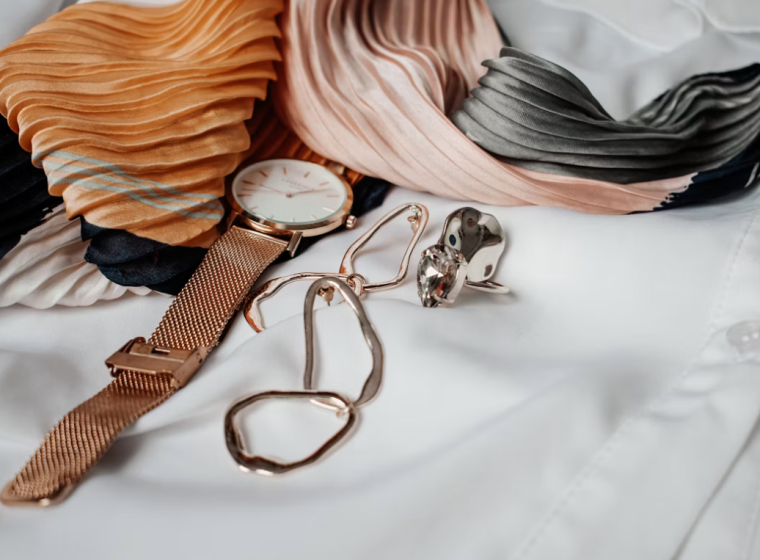
A few thoughtful pieces can do a lot: small hoop earrings, a classic watch, a silk scarf, a leather belt, a delicate necklace, or sunglasses that suit your face. These details change the tone of an outfit without requiring a closet full of statement pieces.
Belts are especially useful because they add shape and finish. A black or brown leather belt can define trousers, jeans, and dresses. Scarves can add color, pattern, and softness. Jewelry can make a plain outfit feel intentional.
The best accessories are easy to repeat. If something feels too delicate, too loud, or too difficult to style, it may not belong in your everyday edit. Choose pieces that feel like a natural extension of your style.
How to Choose Colors for a Simple Wardrobe
Color is one of the easiest ways to make a simple wardrobe feel cohesive. Start with a base palette of neutrals you genuinely enjoy wearing. This might be black, white, gray, and navy, or cream, camel, olive, and brown.
Then add a few accent colors. These could be soft blue, burgundy, blush, forest green, or any shade that flatters you and works with your basics. The goal is not to limit yourself too strictly, but to make mixing easier.
A useful rule is to ask whether a new item works with at least three pieces you already own. If it does, it has a better chance of becoming part of your real wardrobe. If it requires buying more items to make it work, it may be less practical.
Texture can also add interest when colors are simple. Denim, cotton, silk, wool, ribbed knits, leather, suede, and linen all create visual depth without needing bold prints.
Common Wardrobe Mistakes to Avoid
One common mistake is buying duplicates of pieces that are not quite right. Many people own several white T-shirts but still do not have one they love. It is better to pause, identify the problem, and buy more carefully.
Another mistake is shopping for an imagined lifestyle. If your daily life is casual, a closet full of formal dresses will not help. If you work in a polished environment, too many weekend pieces may leave you underprepared. Your wardrobe should reflect your actual calendar.
Fit is another frequent issue. Even beautiful clothes lose their appeal if they pull, sag, pinch, or require constant adjustment. Tailoring can help, but it is better to start with pieces that already work well for your proportions.
Finally, avoid relying only on trends. Trends can be fun, but they should sit on top of your wardrobe, not become the foundation. Essentials give trends somewhere to land.
A Balanced Final Takeaway
The best everyday fashion essentials for a simple wardrobe are the pieces that make dressing easier, more elegant, and more consistent. They are not about stripping your style down to nothing. They are about creating a reliable foundation so you can express yourself with less effort.
Start with the items you wear most: T-shirts, shirts, jeans, trousers, knits, shoes, and a practical bag. Then refine slowly. Notice what you reach for, what you avoid, and what gaps appear again and again.
A simple wardrobe is built over time. It becomes better as you understand your body, your schedule, your climate, and your preferences. The result is not just a cleaner closet. It is a smoother morning, a more confident outfit, and a quieter relationship with shopping.
Conclusion
Everyday fashion essentials are the backbone of a simple wardrobe. They help you get dressed with ease, move through your day comfortably, and create polished outfits without constant planning. From a perfect T-shirt and crisp button-down to tailored trousers, clean sneakers, a versatile dress, and thoughtful accessories, each piece should earn its place by being useful, wearable, and true to your style.
The smartest wardrobe is not the biggest one. It is the one that supports the life you actually live. Choose quality where it matters, keep comfort in view, and let each new purchase connect with what you already own. With the right essentials, simplicity becomes more than a style choice. It becomes a daily convenience.
FAQs
What are the most important fashion essentials for a simple wardrobe?
The most important essentials usually include well-fitting T-shirts, a button-down shirt, reliable jeans, tailored trousers, a knit sweater, a blazer, comfortable flats or loafers, clean sneakers, a versatile dress, and a practical everyday bag. The exact list should reflect your lifestyle and climate.
How many pieces do I need for a simple wardrobe?
There is no perfect number. A simple wardrobe is more about usefulness than quantity. Some people may feel complete with 30 carefully chosen pieces, while others need more variety for work, weather, or personal style. The goal is to own clothes you actually wear and can mix easily.
What colors work best for a simple wardrobe?
Neutral colors such as black, white, navy, gray, camel, cream, and brown are easy to mix and repeat. You can then add a few accent colors that suit your taste. A cohesive color palette makes outfits easier to build without making your wardrobe feel plain.
Should I buy expensive basics?
Not always. Expensive basics are only worth it if the fit, fabric, comfort, and durability truly match your needs. A mid-priced piece that you wear often can be a better purchase than a luxury item that requires special care or does not fit your lifestyle.
How can I make a simple wardrobe feel stylish?
Use fit, texture, accessories, and proportion. A simple outfit can feel stylish when the clothes fit well, the fabrics have depth, and the accessories add personality. A belt, earrings, scarf, structured bag, or polished shoes can transform basic pieces into a complete look.