There are mornings when the clothes are fine, but the outfit still feels unfinished. The white shirt is clean, the jeans fit well, the dress is easy, the blazer is doing its job, and yet something is missing. It is not always another layer or a completely different outfit. Often, the difference is a small detail: a belt that defines the shape, earrings that catch the light, a scarf that adds softness, or a bag that makes the whole look feel intentional.
Style accessories have a quiet power. They can make basics feel polished, make old pieces feel new, and help a simple wardrobe express personality without requiring constant shopping. The right accessory is like punctuation in a sentence. It does not need to shout, but it helps everything make sense.
For many shoppers, accessories are also one of the smartest ways to refresh personal style. A new pair of shoes may change the mood of a dress. A structured bag can elevate denim. A silk scarf can bring color to neutral outfits. A watch can make casual clothes feel more refined. These details are smaller than coats, dresses, or trousers, but they often create the impression people remember.
This guide explores simple style accessories that upgrade any outfit in practical, realistic ways. The goal is not to collect more things for the sake of it. It is to choose accessories that work with your wardrobe, suit your lifestyle, and help you get dressed with more confidence and less effort.
Why Accessories Matter More Than You Think
Accessories are often treated as finishing touches, but they can shape the entire character of an outfit. A black T-shirt and trousers can feel casual with sneakers and a tote, elegant with loafers and gold hoops, or sharp with a belt and structured shoulder bag. The clothing may stay the same, but the message changes.
This is why accessories are useful for anyone building a practical wardrobe. They create variety without requiring a closet full of clothes. If your wardrobe is built around simple pieces, accessories help prevent it from feeling repetitive. They add texture, color, shine, contrast, and proportion.
They are also helpful for transitional dressing. A scarf can make a light jacket feel more seasonal. Sunglasses can make a summer dress look more styled. A belt can help an oversized shirt feel shaped. Jewelry can take a work outfit into evening without a full change.
The best accessories are not always the most expensive or dramatic. They are the ones you reach for often because they make your outfits easier to finish. A simple accessory earns its place when it adds style without creating inconvenience.
Everyday Earrings
Earrings are one of the easiest accessories to wear because they sit close to the face and instantly brighten a look. Even a very simple outfit can feel more considered with the right pair.
Small hoops, studs, pearl earrings, huggies, or simple drop earrings are especially versatile. They can work with T-shirts, blazers, dresses, knitwear, and button-down shirts. Gold tones often add warmth, silver feels cool and clean, and pearls bring a soft classic touch.
When choosing everyday earrings, think about comfort as much as style. Lightweight designs are better for long wear. Secure closures matter if you are commuting, traveling, or wearing headphones. If your skin is sensitive, pay attention to materials and choose options that are designed for comfort.
The most useful earrings are the ones that match your daily rhythm. A bold statement pair can be wonderful for special occasions, but a simple pair you wear three times a week may offer more value. For a simple style upgrade, start with earrings that frame the face without overwhelming it.
A Classic Belt
A belt is one of the most practical accessories because it can change both fit and proportion. It can define the waist, bring structure to loose clothing, and make jeans or trousers look more finished.
A black leather or leather-like belt is usually the most versatile starting point. Brown, tan, cream, or burgundy can also be useful depending on your wardrobe colors. For hardware, gold feels warm and polished, silver feels sleek, and matte finishes can look understated.
Width matters. A slim belt feels refined and works well with tailored trousers or dresses. A medium-width belt is the everyday workhorse for jeans, skirts, and casual pants. A wide belt can be stylish but is less universal.
When shopping, look at the buckle size, material quality, hole placement, and how the belt feels when sitting. A belt should hold its shape without being stiff or uncomfortable. The best one disappears into your outfit while quietly making everything look more intentional.
A Structured Everyday Bag
A bag is both a style accessory and a functional companion. It carries your daily essentials, but it also influences the entire outfit. A structured bag can make casual clothes feel more polished, while a soft tote can make tailored pieces feel more relaxed.
The right everyday bag depends on your lifestyle. A crossbody bag is practical for errands and travel. A tote works well for laptops, notebooks, and busy days. A shoulder bag can feel elegant and easy for dinner or office wear. A mini bag may be stylish but is only useful if it fits what you actually carry.
Color is important. Black is classic, but tan, chocolate brown, cream, olive, navy, and burgundy can be surprisingly versatile. If most of your wardrobe is neutral, a rich accent-color bag can add personality without feeling loud.
Before buying, consider weight, strap comfort, closure, compartments, and whether the bag stands up to regular use. A beautiful bag that is heavy when empty or difficult to open may become frustrating quickly. The best everyday bag should look good and make your day easier.
A Silk or Satin Scarf
A scarf is one of the most elegant ways to add color, print, or softness to an outfit. It can be tied around the neck, worn in the hair, looped through a bag handle, used as a belt, or styled over a simple top.
Silk scarves feel luxurious, while satin-style options can offer a similar look at a more accessible price. Cotton scarves feel casual and breathable. Lightweight scarves work well in spring and summer, while wool or cashmere scarves suit colder weather.
A scarf is especially useful if your wardrobe is built around plain colors. A patterned scarf can connect different tones in an outfit and make basics feel more styled. For example, jeans and a white shirt can look instantly more refined with a printed neck scarf and loafers.
The key is choosing colors you already wear. A scarf may look beautiful on its own, but it should coordinate with your wardrobe. Look for shades that echo your coats, bags, shoes, or favorite tops.
Simple Necklaces
A necklace can soften an outfit, add shine, and draw attention to the neckline. It does not need to be dramatic to make a difference. A delicate chain, small pendant, pearl strand, or simple collar necklace can complete a look with quiet polish.
Neckline matters. Crew necks often work well with short chains or slightly longer pendants. V-necks pair naturally with pendant necklaces that follow the shape of the neckline. Button-down shirts can look beautiful with a fine chain visible at the collar.
Layered necklaces can be stylish, but they should feel effortless rather than tangled or overdone. If you prefer low-maintenance dressing, one signature necklace may be more practical than several layered pieces.
Material and finish are worth considering. Choose tones that work with your earrings, watch, or bag hardware if you prefer a coordinated look. Mixing metals can also look modern, but it works best when it feels intentional.
A Watch That Matches Your Lifestyle
A watch is not only about telling time. It can make an outfit feel grounded, polished, and adult in the best way. Whether classic, minimal, sporty, or smart, a watch adds structure to the wrist and can become part of your personal style signature.
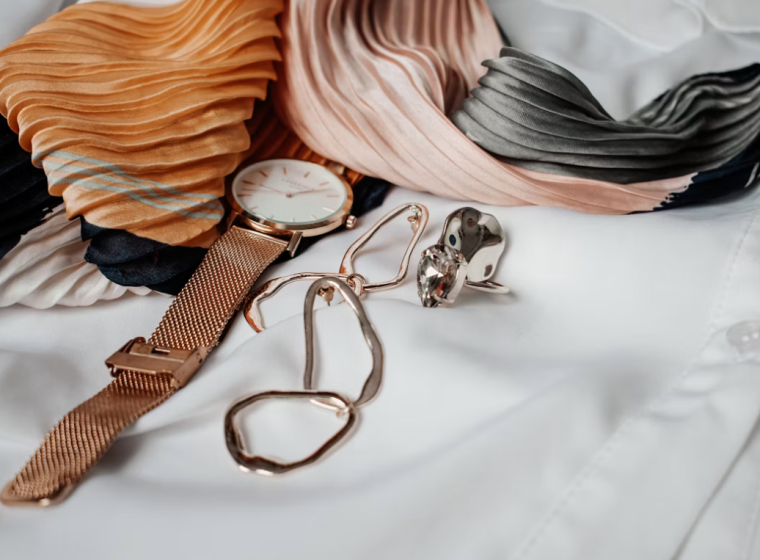
A slim leather-strap watch feels timeless and works well with office outfits, dresses, and casual denim. A metal bracelet watch looks polished and can function almost like jewelry. A smartwatch is practical for people who want notifications, fitness tracking, and daily convenience in one piece.
When choosing a watch, consider face size, strap comfort, weight, and whether the design suits your daily clothes. A very large watch may feel stylish on some people but overpowering on others. A delicate watch may look elegant but less practical for active routines.
The best watch is one you will wear often. It should suit your real life, not just a product photo. If it feels comfortable and matches your wardrobe, it can upgrade even the simplest outfit.
Sunglasses With a Flattering Shape
Sunglasses are one of the fastest ways to make an outfit look put together. They add attitude, balance the face, and bring a sense of finish to outdoor looks.
Classic shapes include aviators, wayfarers, cat-eye frames, round frames, and softly rectangular styles. The most flattering pair depends on your face shape, personal style, and comfort. Oversized sunglasses feel glamorous, while slimmer frames look modern and minimal.
Lens quality and comfort matter. Look for sunglasses that sit securely without pinching the nose or sliding down. If you drive or spend time outdoors, lens protection and visibility should be part of the decision.
For wardrobe versatility, black, tortoiseshell, brown, and neutral frames are easy to style. A more colorful frame can be fun, but it may not match as many outfits. If you want one everyday pair, choose a shape that feels natural with both casual and polished clothing.
Hair Accessories
Hair accessories can quietly change the mood of an outfit. A claw clip, headband, silk scrunchie, barrette, ribbon, or sleek hair tie can make even simple clothing feel more styled.
Claw clips are practical for quick updos and relaxed days. Headbands can add polish to loose hair or make a simple dress feel more feminine. Silk or satin scrunchies are gentle-looking and useful for low ponytails or buns. Minimal barrettes can add a refined detail without feeling too decorative.
When buying hair accessories, consider hair thickness and texture. A small clip may not hold thick hair, while a large clip may feel bulky for fine hair. Comfort is important, especially with headbands and clips that sit against the scalp.
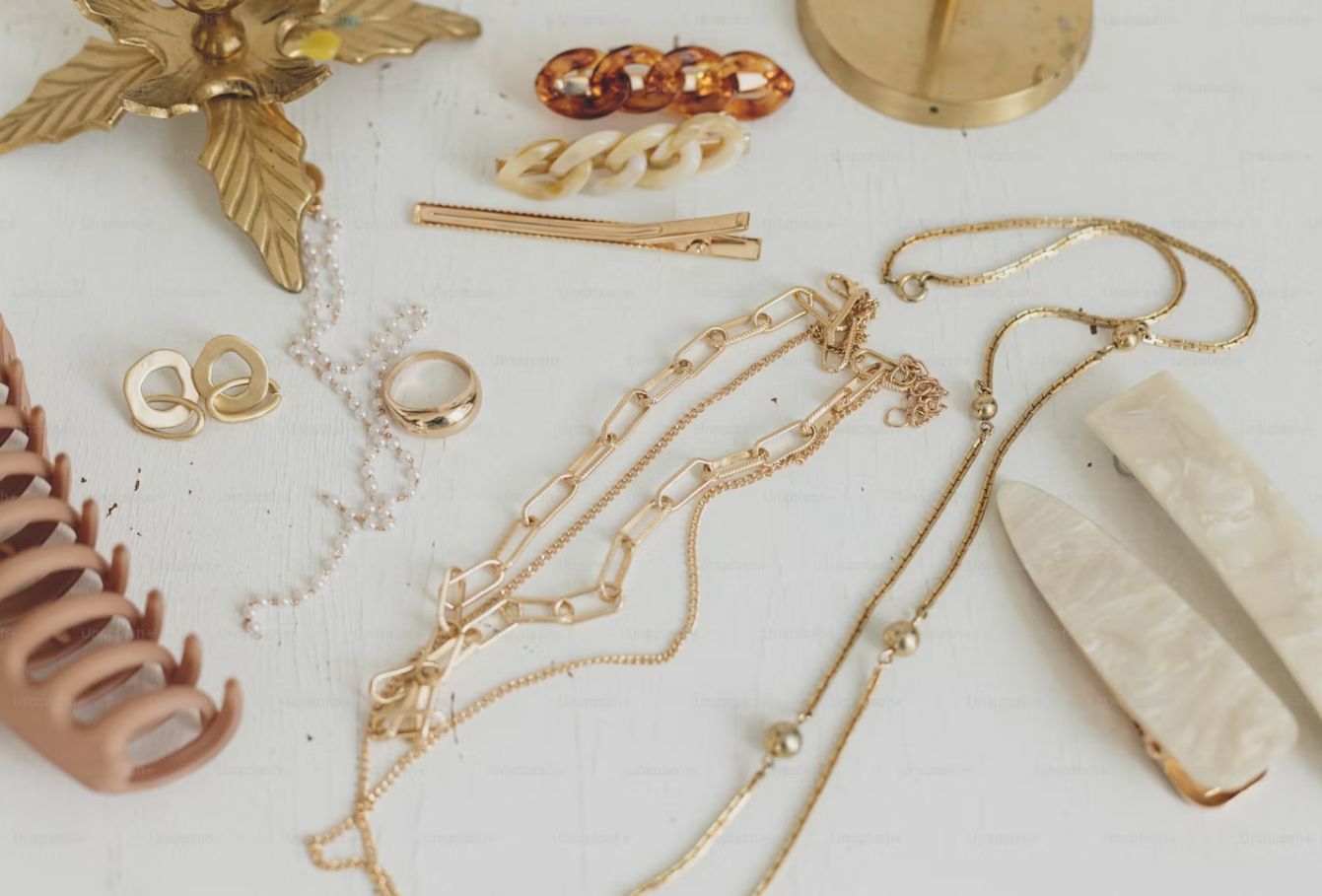
Hair accessories are a good place to add personality. A tortoiseshell clip, velvet headband, pearl barrette, or simple black bow can shift the tone of your outfit without changing your clothes.
A Polished Pair of Shoes
Shoes are technically more than accessories, but they often function as the accessory that defines the entire look. A simple outfit can become casual, elegant, sporty, or professional depending on the shoes.
For easy outfit upgrades, consider loafers, clean sneakers, ballet flats, ankle boots, or minimal sandals. Loafers add structure. Sneakers bring ease. Ballet flats feel soft and classic. Boots add weight and polish. Sandals keep warm-weather outfits relaxed.
The most useful shoes are comfortable enough for real life. If a pair looks beautiful but hurts after twenty minutes, it will not upgrade your day. Pay attention to fit, sole support, materials, and how the shoe works with your most-worn clothing.
A polished shoe does not need to be formal. Even a clean sneaker can look elevated when it is simple, well cared for, and styled with intention.
A Versatile Hat
A hat can add both function and style. It protects from sun, helps on low-effort hair days, and gives outfits a clear point of view.
Baseball caps are casual and practical, especially with denim, athleisure, trench coats, and simple knits. Wide-brim hats can feel elegant in warm weather. Beanies add texture in colder months. Straw hats are useful for vacations, summer errands, and outdoor plans.
The key is proportion. A hat should suit your face, hairstyle, and body frame. It should also match your lifestyle. If you rarely wear dramatic accessories, a classic cap or simple beanie may feel more natural than a wide-brim statement hat.
Neutral colors are easiest to repeat. Black, beige, navy, gray, cream, and soft brown can work across many outfits. A hat is optional, but for the right person, it becomes a practical signature.
Rings and Bracelets
Rings and bracelets add detail to the hands and wrists, which makes them especially noticeable during everyday movement. They can make even a plain outfit feel personal and complete.
Simple bands, signet rings, delicate bracelets, cuffs, and chain bracelets are versatile choices. A single bold ring can be enough, while stacked rings create a more expressive look. A bracelet can pair beautifully with a watch or stand alone as a subtle accent.
Comfort should guide your choice. Rings should not interfere with daily tasks, and bracelets should not catch on sleeves or feel distracting while typing. If you use your hands constantly for work, choose smoother, lower-profile pieces.
The best jewelry feels like part of you. It should be easy to wear, easy to repeat, and aligned with your style rather than bought only because it is trending.
How to Choose Accessories That Work With Your Wardrobe
The smartest way to shop for accessories is to start with your most-worn outfits. Look at the clothes you reach for repeatedly and ask what would make them feel more finished. A simple jeans-and-shirt wardrobe may benefit from belts, loafers, scarves, and earrings. A dress-heavy wardrobe may need better shoes, jewelry, and bags. A neutral wardrobe may come alive with color through scarves, sunglasses, or hair accessories.
Color coordination helps. Accessories do not need to match perfectly, but they should relate to each other. If your bag has gold hardware, gold earrings or a warm-toned belt buckle can create subtle harmony. If your wardrobe leans cool, silver or black accessories may feel more natural.
Texture is another powerful tool. Leather, suede, silk, metal, straw, canvas, and knit accessories all create different moods. A simple cotton dress looks more interesting with woven sandals and a straw bag. A black blazer feels softer with a silk scarf or pearl earrings.
Also consider your lifestyle. If you walk often, shoes must be comfortable. If you commute, your bag needs secure closures. If you have a busy morning routine, jewelry should be easy to put on. Accessories should serve your life, not slow it down.
Common Accessory Mistakes to Avoid
One common mistake is buying accessories that do not connect with anything you own. A beautiful scarf, bold bag, or statement shoe may be tempting, but if it clashes with your wardrobe, it will be hard to use.
Another mistake is over-accessorizing. More is not always better. If every accessory is competing for attention, the outfit can feel busy. A simple rule is to choose one main focal point, then keep the rest quieter.
Shoppers also sometimes ignore comfort. Heavy earrings, stiff belts, painful shoes, tight headbands, and awkward bags may look good briefly but will not become everyday favorites.
Finally, avoid buying only trend-driven pieces. Trend accessories can be fun, but your foundation should include simple items that remain useful across seasons. A classic belt, everyday earrings, flattering sunglasses, and a practical bag will usually outlast the latest viral detail.
A Balanced Final Takeaway
Simple style accessories are among the easiest ways to upgrade any outfit because they work with what you already own. They help basics feel intentional, add personality to neutral clothing, and make your wardrobe more flexible.
You do not need a large accessory collection. A few carefully chosen pieces can do a lot: earrings that flatter your face, a belt that shapes your outfits, a bag that suits your day, shoes that feel polished and comfortable, and a scarf or jewelry piece that brings in personality.
The best accessories are practical, repeatable, and true to your style. They should make getting dressed easier, not more complicated. When chosen thoughtfully, they turn everyday outfits into looks that feel finished, confident, and quietly expressive.
Conclusion
Accessories are the small details that often make the biggest difference. A simple outfit can become polished with a structured bag, more elegant with earrings, more defined with a belt, or more personal with a scarf. These pieces do not need to be expensive or dramatic. They simply need to fit your wardrobe, your routine, and the way you want to present yourself.
For a smarter approach, start with the accessories you will use most often. Choose comfort, versatility, quality, and coordination over impulse trends. With the right pieces, even your simplest clothes can feel fresh, stylish, and complete.
FAQs
What accessories can instantly upgrade a simple outfit?
Everyday earrings, a classic belt, a structured bag, polished shoes, sunglasses, and a simple necklace can instantly upgrade a basic outfit. These pieces add shape, shine, color, and intention without requiring a full wardrobe change.
How many accessories should I wear at once?
There is no strict rule, but balance is important. If one accessory is bold, keep the others simpler. For everyday outfits, two or three thoughtful accessories often feel polished without looking overdone.
What accessory should I buy first for a simple wardrobe?
A classic belt, everyday earrings, or a versatile bag is a smart starting point. Choose the item that solves your most common outfit problem, whether that is adding shape, polish, or practical storage.
Are statement accessories worth buying?
Statement accessories can be worth buying if they match your style and work with several outfits. They are less useful if they only suit one occasion or feel uncomfortable. For long-term value, balance statement pieces with simple everyday accessories.
How do I choose accessories that match my clothes?
Start with your wardrobe colors, preferred metals, and most-worn outfits. Choose accessories that repeat or complement those tones. Neutral bags, belts, shoes, and jewelry are easiest to style, while scarves and hair accessories can add controlled color or pattern.