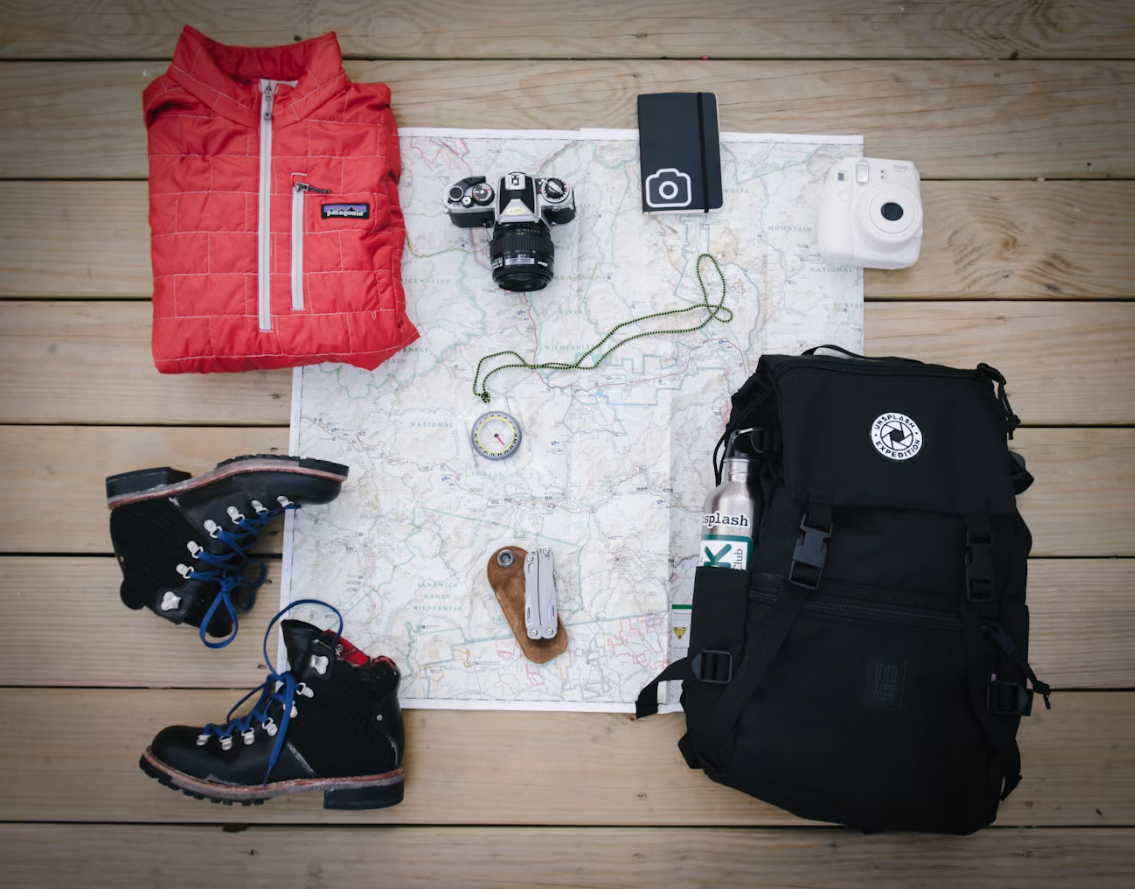
There is a particular kind of optimism that comes with packing for a weekend away. The trip is short enough to feel effortless, yet long enough to promise a reset: a change of scenery, a slower breakfast, a hotel room with crisp sheets, a coastal walk, a city dinner, or simply two days without the usual routine pressing at the edges. But the romance of a short getaway can fade quickly when your bag is overstuffed, your charger is buried at the bottom, your shoes have dirtied your sweater, or your toiletries have leaked across everything you planned to wear.
Weekend travel rewards smart packing more than abundant packing. Unlike a two-week vacation, a short trip does not give you much room for mistakes. Every item should earn its place. The best travel gear for weekend trips is not about buying every clever gadget on the market. It is about choosing pieces that make movement easier, keep essentials organized, and help you arrive feeling composed rather than chaotic.
A well-packed weekend bag should feel like a quiet assistant. It should hold what you need, protect what matters, and stay out of the way. Whether you are driving to a countryside inn, catching a quick flight, visiting friends, or planning a spontaneous city break, the right gear can turn packing from a last-minute scramble into a smooth ritual.
Why Weekend Travel Gear Matters
Short getaways often seem simple until you start packing. You are not moving into a hotel room for a month, but you still need clothes, toiletries, electronics, documents, shoes, comfort items, and perhaps a nicer outfit for dinner. The challenge is balance. Pack too little, and you spend the weekend improvising. Pack too much, and your quick escape becomes a wrestling match with luggage.
Good travel gear helps you edit. It gives every category a place: clean clothes, worn clothes, liquids, tech, travel documents, and small daily essentials. This matters because the shorter the trip, the more irritating small inefficiencies become. Spending ten minutes searching for a charging cable may not ruin a long vacation, but on a two-night trip, every unnecessary delay feels larger.
The best gear also protects your mood. A lightweight bag reduces physical strain. Packing cubes prevent the hotel-room explosion of clothing. A compact toiletry kit keeps counters tidy. A reliable power bank saves you when maps, boarding passes, and ride apps drain your phone. These are not dramatic luxuries. They are small forms of travel insurance against stress.
The Weekend Bag: Your Foundation Piece
The most important item for any short getaway is the bag itself. For many travelers, a soft-sided weekender, compact carry-on, or travel backpack is enough. The right choice depends on your travel style.
A soft weekender bag feels polished and flexible. It works beautifully for car trips, train rides, and overnight stays where you want something that looks more refined than a hiking pack. Look for a wide opening, structured base, sturdy handles, and a removable shoulder strap. A separate shoe compartment can be useful, but only if it does not steal too much interior space.
A compact rolling carry-on is better for flights or trips where you will be walking through airports, stations, or long hotel corridors. Wheels save your shoulders, and a hard or semi-structured shell can protect folded clothes. However, rolling bags can be awkward on cobblestones, stairs, and crowded public transport.
A travel backpack is the most hands-free option. It suits travelers who value mobility, especially for city breaks or trips involving multiple stops. Choose one with a clamshell opening rather than a traditional top-loading design. A clamshell backpack opens like a suitcase, making it much easier to see everything at once.
The key is not choosing the most popular style. It is choosing the bag that matches how you actually move. If you usually drive, a stylish duffel may be perfect. If you fly often, a carry-on with smooth wheels may be worth it. If you like to keep both hands free, a structured travel backpack can feel liberating.
Packing Cubes: Small Organizers With Big Impact
Packing cubes are one of the simplest upgrades for short trips. They turn a single bag into a set of tidy compartments, helping you avoid the familiar problem of digging through everything just to find one T-shirt.
For a weekend trip, two or three cubes are usually enough. One can hold tops and sleepwear, another can hold underwear and socks, and a smaller one can hold accessories or activewear. Compression cubes can save space, but they are not always necessary. In fact, compressing too much can encourage overpacking. For short getaways, organization is often more valuable than maximum compression.
Packing cubes are especially useful when you do not plan to fully unpack. Instead of spreading clothes across drawers, you can place the cubes directly into a hotel closet or on a shelf. They keep clean items separate from worn ones and make repacking faster when it is time to leave.
A good cube should have smooth zippers, breathable fabric, and enough structure to hold its shape. Mesh panels are helpful because they let you see what is inside. Avoid overly bulky cube sets for weekend travel. The goal is to simplify your bag, not fill it with more gear than the trip requires.
A Toiletry Kit That Prevents Leaks and Clutter
Toiletries are where many weekend bags go wrong. Full-size bottles are rarely necessary, and loose products can create spills, stains, and unnecessary weight. A compact toiletry kit should be easy to wipe clean, simple to open, and organized enough that you can find items quickly.
For most short getaways, a small hanging toiletry bag or clear pouch works well. A hanging bag is useful in small bathrooms with limited counter space. A clear pouch is easier for quick checks and can be practical for flights, depending on current airport rules.
Prioritize refillable travel containers, but choose them carefully. Soft silicone bottles are flexible and easy to squeeze, while hard containers can be better for creams and thicker products. Labels help more than you might think, especially when shampoo, cleanser, and lotion all look similar after being decanted.
A minimalist toiletry kit might include cleanser, moisturizer, sunscreen, toothbrush, toothpaste, deodorant, hair essentials, a small fragrance or grooming item, and any personal care basics you use daily. Keep your routine realistic. A weekend away is rarely the time to bring a full shelf of products you do not normally use.
The common mistake is packing for an imaginary version of yourself: the person who will do a complete spa routine, style hair perfectly twice a day, and use four skincare extras before breakfast. Pack for your real habits, then add one small comfort item if it genuinely improves the trip.
Tech Essentials for a Smooth Short Trip
Tech gear can make or break a modern weekend getaway. Your phone is often your map, camera, wallet, boarding pass, restaurant guide, and entertainment device. Keeping it charged and accessible is essential.
A compact power bank is one of the most practical items for short travel. Choose one that is slim enough to carry during the day, with enough capacity for your needs. If you travel by air, always check current rules for batteries and power banks before packing.
A simple cable organizer can also make a surprising difference. Instead of letting cords tangle in your bag, use a small pouch for charging cables, earbuds, adapters, and memory cards if needed. For weekend travel, avoid bringing every cable you own. One phone cable, one watch or headphone charger if necessary, and a compact wall adapter may be enough.
A universal travel adapter is useful for international short trips, but it is unnecessary for domestic stays unless your devices require something special. Noise-canceling earbuds or compact headphones can be worth packing if you are flying, commuting, sharing accommodations, or trying to sleep in a noisy place.
The smartest tech setup is not the largest one. It is the one you can manage without thinking. Before you leave, charge your devices, download any tickets or maps you might need, and place your cables in one consistent pocket. Good travel systems are built on repetition.
The Right Shoes and a Smarter Shoe Bag
Shoes are bulky, heavy, and often dirty, which makes them one of the most important packing decisions for a weekend trip. The ideal short-getaway shoe strategy is simple: wear your bulkiest pair and pack only one additional pair if needed.
For city weekends, comfortable walking shoes are essential. They should be broken in, supportive, and versatile enough to work with most outfits. For a countryside stay, weather-appropriate shoes matter more than style. For a wedding weekend or dinner-focused trip, you may need a dressier pair, but keep it realistic.
A shoe bag is worth having. It protects clothes from dirt and keeps the interior of your bag more organized. A simple washable pouch is enough. Some travelers use a spare fabric tote, which can later double as a laundry bag or market bag.
The mistake to avoid is packing multiple “just in case” shoes. Shoes consume space quickly. Unless the trip has clearly different activities, such as hiking and a formal dinner, one versatile pair plus the pair on your feet is usually enough.
A Laundry Pouch for the Return Journey
A small laundry pouch may not feel exciting, but it adds order to the second half of a trip. By the time you are heading home, clean and worn clothes are often mixed together. A dedicated laundry bag solves that problem immediately.
Choose something lightweight, washable, and breathable. A simple drawstring bag works well. Some packing cube sets include a laundry pouch, but any soft bag will do. For beach weekends, gym trips, or rainy destinations, a water-resistant pouch may be more useful.
This small habit also makes unpacking easier. When you get home, laundry goes straight into the wash instead of lingering inside your bag for days. Good travel gear should improve both ends of the journey, not just the departure.
A Day Bag for Exploring
Once you arrive, you may not want to carry your main bag everywhere. A compact day bag gives you a place for your phone, wallet, sunglasses, water bottle, light layer, and small purchases.
For city trips, a crossbody bag is often ideal because it is secure, stylish, and easy to access. For outdoor getaways, a small backpack may be more comfortable. For beach or resort weekends, a lightweight tote can be the most practical choice.
Look for a day bag that folds flat or packs easily into your main luggage. It should be big enough for daily essentials but not so large that it becomes another suitcase. Secure closures matter, especially in crowded places. Interior pockets are helpful, but too many tiny compartments can become confusing.
The best day bag feels natural with your plans. It should match your clothes, your pace, and your destination. If you would feel awkward carrying it all day, choose something else.
Travel Clothing That Works Harder
Weekend packing is much easier when your clothes can mix and match. Rather than packing complete outfits for every possible mood, think in terms of a small capsule wardrobe. Choose colors and layers that work together.
For a two-night trip, many travelers can manage with one travel outfit, one extra top, one nicer top or shirt, one bottom, sleepwear, underwear, socks, and a light layer. Add activewear, swimwear, or dress clothing only when the itinerary requires it.
Fabric matters. Wrinkle-resistant materials are useful, especially if you do not want to iron. Lightweight knits, soft denim, tailored joggers, easy dresses, and breathable shirts can all work depending on the destination. Avoid pieces that only work with one specific outfit unless they are essential for an event.
A light jacket, cardigan, or overshirt is often more useful than a heavy extra outfit. Temperature can shift between airports, cars, restaurants, and evening walks. A good layer makes a simple packing list more flexible.
Comfort Items That Actually Earn Their Space
Weekend travel should feel enjoyable, not austere. A few comfort items can improve the experience, as long as they are chosen carefully. A silk or soft sleep mask, compact travel pillow, reusable water bottle, mini steamer, small notebook, or favorite tea sachets may be worth packing if they support the way you travel.
The key is honesty. Do not pack comfort items because they look good in a travel flat lay. Pack them because you will use them. If you never read on trips, leave the hardcover book at home and download an audiobook instead. If you always get cold in transit, a soft scarf may be more useful than an extra outfit.
Comfort gear is personal. For one traveler, it is noise-canceling earbuds. For another, it is a familiar moisturizer or a pair of slippers. The goal is to bring one or two items that make the trip feel smoother, calmer, or more like your own.
What to Consider Before Buying Travel Gear
Before buying new travel gear, think about your actual travel patterns. A person who takes monthly city breaks has different needs from someone who does one or two family road trips per year. Buying for your real life prevents clutter and wasted money.
Start with durability. Zippers, seams, wheels, straps, and handles matter more than trendy colors. A beautiful bag is frustrating if it cannot survive a crowded train platform or a packed car trunk.
Next, consider weight. Lightweight gear gives you more room for what you actually need. This is especially important for carry-on travel, where size and weight limits may apply.
Then look at cleanability. Travel gear touches floors, car seats, overhead compartments, bathroom counters, and outdoor surfaces. Wipeable interiors, washable pouches, and darker linings can help gear stay fresh longer.
Finally, consider versatility. The best weekend travel items can serve more than one type of trip. A polished backpack can work for flights, road trips, and work overnights. A neutral toiletry kit can suit hotels, guest rooms, and gym bags. A foldable tote can become a beach bag, shopping bag, or laundry carrier.
Common Weekend Packing Mistakes to Avoid
The first mistake is packing too many clothes. Short trips invite overplanning because every possible activity feels close enough to prepare for. But extra clothing adds bulk and decision fatigue. Choose pieces that work together and repeat items when practical.
The second mistake is ignoring the return journey. Many people pack neatly on the way out and then throw everything into the bag on the way home. Laundry pouches, shoe bags, and packing cubes keep the trip organized from beginning to end.
The third mistake is bringing full-size toiletries. They are heavy, space-consuming, and often unnecessary. Travel sizes or decanted products are usually more sensible for short stays.
The fourth mistake is forgetting chargers or packing them poorly. A dead phone can complicate navigation, payments, check-ins, and communication. Keep chargers in a dedicated pouch and check them before leaving.
The fifth mistake is choosing style over comfort. A weekend trip may include more walking, waiting, and carrying than expected. Stylish gear is wonderful when it also works well. But a painful bag strap or uncomfortable shoes can shape the whole trip in the wrong direction.
A Simple Weekend Travel Gear Checklist
For most short getaways, start with a reliable main bag, two or three packing cubes, a compact toiletry kit, a charger pouch, a power bank, a shoe bag, a laundry pouch, and a small day bag. Add destination-specific items only after the essentials are covered.
For beach trips, consider swimwear, sandals, sunscreen, a packable tote, and a wet bag. For city breaks, prioritize comfortable shoes, a secure crossbody, a light layer, and a portable charger. For countryside weekends, think about weatherproof footwear, a warmer layer, and practical outerwear. For romantic or event-focused getaways, leave room for one polished outfit, but avoid packing an entire alternate wardrobe.
This checklist is not a rulebook. It is a framework. The best packing list is the one that supports your plans without weighing them down.
Final Takeaway
The best travel gear for weekend trips and short getaways is not necessarily the most expensive, the most technical, or the most fashionable. It is the gear that quietly removes friction. It helps you pack faster, move lighter, find what you need, and enjoy the brief luxury of being somewhere else.
A great weekend bag, a few smart organizers, dependable tech accessories, practical shoes, and a thoughtful day bag can transform the way you travel. These pieces do not need to be flashy. In fact, the best ones often disappear into the background, doing their job so well that you barely notice them.
When buying travel gear, focus on your habits, your destinations, and your comfort. Choose fewer items, but choose them well. A short getaway should feel like a pause, not a project. With the right gear, you can leave with less, arrive with more ease, and return home without feeling like your bag has staged a rebellion.
Conclusion
Weekend travel is a lesson in thoughtful restraint. You do not need a closet on wheels or a collection of clever accessories for every possible scenario. You need a small system that works: a dependable bag, organized compartments, practical toiletries, reliable chargers, versatile clothing, and a few personal comforts that make the trip feel smooth.
The right travel gear allows you to focus less on packing and more on the reason you left in the first place. Whether your getaway is planned weeks ahead or decided on a Friday afternoon, smart gear helps you move through the experience with calm, confidence, and a little more pleasure.
FAQs
What size bag is best for a weekend trip?
For most weekend trips, a small weekender bag, compact carry-on, or travel backpack is enough. The best size depends on your transportation and packing style. If you fly often, choose a bag that fits your airline’s current carry-on rules. If you travel by car, a soft weekender may be more flexible and easier to place in a trunk.
Are packing cubes worth it for short getaways?
Yes, packing cubes can be very useful even for short trips. They help separate clothing categories, keep your bag tidy, and make it easier to repack quickly. For a weekend, two or three cubes are usually enough. Avoid bringing too many, as that can make your bag feel more complicated than necessary.
What should I not pack for a weekend trip?
Avoid packing too many shoes, full-size toiletries, bulky “just in case” outfits, and tech accessories you are unlikely to use. A weekend trip benefits from practical editing. If an item does not match your plans, your weather, or your daily habits, it probably does not need to come.
How can I pack lighter without forgetting essentials?
Start with your itinerary, then pack by activity rather than by fear. Choose versatile clothing that mixes easily, keep toiletries simple, and use a dedicated pouch for chargers and small essentials. A basic checklist can help you avoid forgetting important items while still preventing overpacking.
What travel gear is most useful for frequent weekend travelers?
Frequent weekend travelers usually benefit most from a high-quality main bag, packing cubes, a compact toiletry kit, a charger organizer, a portable power bank, a shoe bag, a laundry pouch, and a comfortable day bag. These items create a repeatable packing system that saves time and reduces stress.