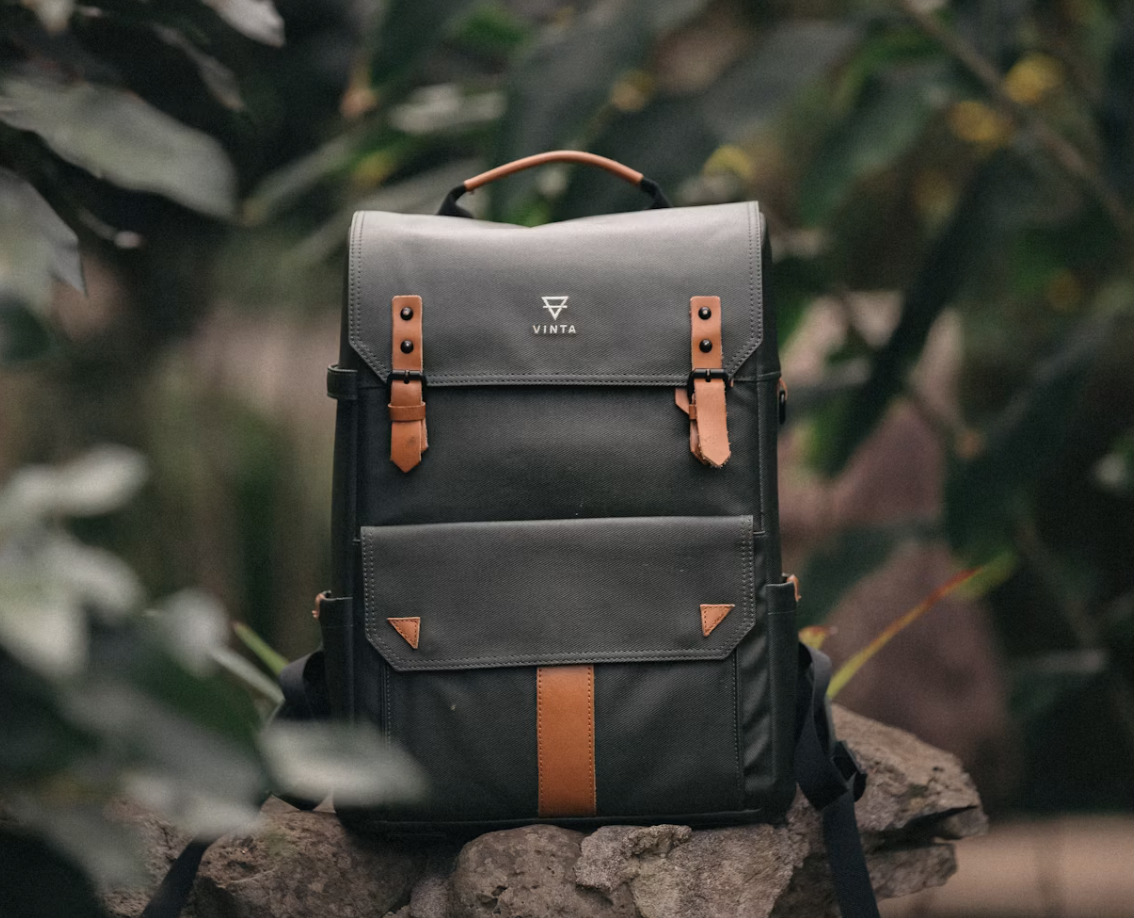
There is a quiet kind of frustration that comes from carrying the wrong backpack. It shows up when your laptop presses awkwardly against your back, when your water bottle tips over inside the main compartment, when airport security becomes a juggling act, or when a bag that looked sleek online feels bulky and chaotic by Monday morning.
A great backpack should not make your day harder. It should move with you from the train to the office, from a weekend flight to a coffee shop table, from a grocery run to a gym locker. The best backpacks for work, travel, and everyday use are not always the most technical, the most expensive, or the most heavily pocketed. They are the ones that fit your actual routine.
Choosing the right backpack is really about choosing a daily system. It should protect what matters, organize what you reach for often, and feel comfortable enough that you forget you are wearing it. Whether you are a commuter, a frequent traveler, a student, a remote worker, or simply someone who likes to leave the house prepared, the right backpack can make your day feel calmer and more put together.
What Makes a Backpack Truly Useful?
A useful backpack starts with balance. It needs enough structure to protect your belongings, but not so much stiffness that it feels like luggage strapped to your shoulders. It should offer organization, but not so many tiny compartments that you spend your morning searching for your keys like you are opening a puzzle box.
For most people, the ideal everyday backpack sits somewhere between a laptop bag, a personal travel item, and a polished lifestyle accessory. It should look appropriate in professional settings while still being practical enough for errands, short trips, and daily movement.
The most important qualities usually come down to comfort, capacity, protection, organization, materials, and style. None of these features matters in isolation. A beautiful backpack that hurts your shoulders is not a smart purchase. A rugged travel bag that looks out of place at work may not suit your lifestyle. A compact minimalist backpack may look refined, but it can quickly become frustrating if it cannot hold your daily essentials.
Before comparing features, think about your real day. Do you carry a laptop? Do you bring lunch? Do you need space for gym clothes? Do you travel with a tablet, chargers, toiletries, or a book? Do you commute in rain? The right backpack should answer your routine first and your wishlist second.
Best Backpack Styles for Different Lifestyles
The best backpack for you depends less on trends and more on how you move through the week. A commuter and a weekend traveler may both need a laptop sleeve, but their ideal bags can look very different.
For work, choose a backpack with a clean profile, a padded laptop compartment, easy-access pockets, and enough structure to keep its shape. Professional backpacks often look best when they avoid excessive straps, bright logos, or outdoor-style details. A neutral color such as black, navy, charcoal, taupe, or olive usually works well with office clothing.
For travel, prioritize capacity, comfort, and access. A travel-friendly backpack should open wide enough to pack neatly, fit under an airplane seat when needed, and include secure pockets for passports, boarding passes, wallets, and electronics. Some travelers prefer a clamshell opening because it behaves more like a suitcase. Others prefer a traditional top-loading design for simplicity.
For everyday use, comfort and versatility matter most. This is the backpack you grab for coffee shops, errands, casual meetings, school pickups, or weekend walks. It should be light enough for daily wear, polished enough to look intentional, and practical enough to hold the small things that usually end up scattered across pockets.
For students or hybrid workers, a medium-capacity backpack with strong laptop protection, durable zippers, and good internal organization is often the safest choice. It should handle books, notebooks, tech accessories, and a water bottle without becoming uncomfortable.
For gym-to-office routines, look for a backpack with a separate shoe or clothing area, water-resistant lining, or at least one compartment that keeps clean and used items apart. A sleek exterior helps the bag still feel appropriate in professional spaces.
The Right Size: Why Bigger Is Not Always Better
Backpack size is one of the easiest things to misjudge. A bag that looks spacious in photos may feel too large for daily commuting, while a slim backpack may look elegant but become impractical after you add a laptop, charger, water bottle, sunglasses, and lunch.
For everyday use, many people are comfortable with a backpack in the 15 to 25 liter range. This size usually holds daily essentials without feeling oversized. For work, 18 to 24 liters often provides enough room for a laptop, notebook, tech pouch, and a few personal items. For short travel, 25 to 35 liters may be more useful, especially if you want to pack clothing or use the backpack as a personal item.
The key is to avoid buying capacity you do not need. Oversized backpacks can encourage overpacking, and extra weight becomes noticeable quickly. On the other hand, a backpack that is too small can turn every zipper into a struggle. The best size gives your belongings a little breathing room without leaving the bag half-empty and floppy.
Comfort Features That Actually Matter
Comfort is not just about padded straps. It is about how the backpack distributes weight across your shoulders, back, and body. A comfortable backpack should feel stable, not like it is pulling you backward.
Padded shoulder straps are important, but they should be shaped well and wide enough to spread pressure. A padded back panel can make a big difference, especially if you carry a laptop. Breathable mesh may help if you walk long distances or live in a warm climate, although it is not always necessary for short commutes.
A sternum strap can be useful for heavier loads or travel days, but it may not be essential for a sleek office backpack. A luggage pass-through sleeve is extremely helpful if you travel with a suitcase, allowing your backpack to slide over the handle instead of sitting on your shoulders through the airport.
The weight of the empty bag also matters. Some premium backpacks are beautifully built but surprisingly heavy before you pack anything inside. If you carry your bag every day, a lighter design may be more comfortable than a heavily structured one.
Laptop Protection and Tech Organization
For many shoppers, laptop protection is the deciding factor. A good work or travel backpack should have a padded laptop sleeve that fits your device securely without allowing it to slide around. Ideally, the laptop compartment should be slightly suspended from the bottom of the bag. This helps reduce impact if you set the backpack down quickly.
Check the laptop size carefully. A backpack listed as fitting a 15-inch laptop may not fit every 15-inch model, especially if your device has a case. If you carry both a laptop and tablet, look for separate sleeves so the screens do not press directly against each other.
Tech organization should be simple and accessible. A few pockets for chargers, cables, earbuds, a power bank, pens, and a mouse are usually enough. Too many small pockets can become cluttered. If you already use a separate tech pouch, you may prefer a backpack with fewer built-in compartments and more open space.
Materials, Durability, and Weather Resistance
A backpack does not need to feel indestructible, but it should feel dependable. The fabric, stitching, zippers, and hardware all influence how well it holds up over time.
Nylon and polyester are common because they are lightweight, durable, and often water-resistant. Canvas can look stylish and casual, but it may absorb moisture more easily unless treated. Leather adds polish, but it is usually heavier and requires more care. Recycled materials are increasingly common and can be a good option for shoppers who want a more conscious choice, as long as the construction is still strong.
Water resistance is helpful for commuting and travel, but it is important to understand the difference between water-resistant and waterproof. A water-resistant backpack can usually handle light rain or splashes. A waterproof backpack is designed for more serious exposure. For most daily users, water resistance is enough, especially if the zippers are well covered and the laptop area is protected.
Zippers deserve special attention. Smooth, sturdy zippers make a backpack feel better every single day. If a zipper catches easily, feels thin, or sits exposed in a way that invites rain into the main compartment, that can become a long-term annoyance.
Organization: The Art of Having Just Enough Pockets
Good organization should feel intuitive. You should know where your wallet, keys, laptop, water bottle, and charger belong without thinking too hard.
A well-designed backpack usually includes a main compartment, a laptop sleeve, a front or top quick-access pocket, a smaller internal pocket, and at least one bottle pocket. For travel, a hidden back pocket can be useful for passports or cash. For work, a document sleeve can help keep papers flat.
External bottle pockets are convenient, but they should be deep and secure. Shallow side pockets may look sleek, but they can allow bottles or umbrellas to fall out. If you prefer a cleaner look, an internal bottle pocket may work better, though it does take up interior space.
One common mistake is choosing a backpack with too many pockets because it appears more organized. In reality, excessive compartments can split up the available space and make the bag harder to use. The goal is not maximum pockets. The goal is meaningful placement.
Style: Finding a Backpack That Fits Your Wardrobe
A backpack is part of your outfit, especially if you carry it to work or while traveling. The best choice should feel aligned with your personal style, not like a purely functional afterthought.
Minimalist backpacks work well for professional environments and city commuting. They usually have clean lines, hidden pockets, and understated colors. They pair easily with coats, blazers, denim, and smart casual clothing.
Sportier backpacks are better for active routines, outdoor use, or gym days. They may include more visible straps, performance fabrics, and flexible compartments. These can be practical, but they may feel less polished in formal offices.
Travel backpacks often sit between function and style. They need to be spacious, but the best ones avoid looking too bulky. A rectangular shape can make packing easier and often looks cleaner than a rounded hiking-style silhouette.
Color matters more than many shoppers expect. Black is versatile and hides wear, but it can feel predictable. Navy, gray, olive, tan, and deep brown offer a softer look while remaining practical. Lighter colors can be beautiful, but they may show stains faster, especially if you travel often.
Common Backpack Buying Mistakes to Avoid
One of the biggest mistakes is buying for an imagined lifestyle instead of your real one. A large travel backpack may seem exciting, but if most of your days involve commuting to work and carrying a laptop, it may feel bulky and unnecessary. A sleek fashion backpack may look perfect in photos but disappoint if it lacks padding or practical pockets.
Another mistake is ignoring measurements. Always check laptop fit, overall dimensions, and airline personal item requirements if you plan to travel. Photos can be misleading, especially when a backpack is shown on models of different heights.
Many shoppers also overlook weight. A backpack that feels substantial in a store may become tiring after a full day of walking. If you already carry electronics, books, or gym gear, start with a lighter bag.
Do not assume expensive always means better. Higher price can reflect better materials, design, or brand reputation, but it does not guarantee the right fit for your needs. A mid-range backpack with smart compartments and comfortable straps may serve you better than a luxury option that prioritizes appearance over function.
Finally, avoid choosing a backpack based only on pocket count. Organization is valuable, but space matters too. A bag filled with narrow compartments may not hold a sweater, lunch container, or camera comfortably.
How to Choose the Best Backpack for Your Routine
Start with your primary use. If the backpack will mostly be used for work, prioritize laptop protection, professional style, and daily comfort. If it will mostly be used for travel, focus on capacity, security, packing access, and luggage compatibility. If it will be used for everything, choose a versatile middle ground with a clean design and flexible storage.
Next, list your non-negotiables. These might include a laptop sleeve, water bottle pocket, trolley sleeve, lightweight build, water resistance, or a specific color. Then list your nice-to-have features, such as hidden pockets, shoe storage, expandable compartments, or recycled materials.
Think about your commute. Walking, biking, driving, taking public transit, and flying all create different needs. A bike commuter may need weather resistance and reflective details. A frequent flyer may value a luggage sleeve and easy-access travel documents. Someone who works from cafes may want a backpack that stands upright beside a chair.
It also helps to consider your wardrobe. If you dress professionally most days, a clean and structured backpack will likely get more use. If your style is casual and active, a softer or sportier backpack may feel more natural.
The final test is simple: can you picture using it on an ordinary Tuesday? Not just on a trip, not just in a perfect product photo, but during your real routine. The best backpack should make that ordinary Tuesday easier.
Best Backpack Features Worth Paying More For
Some features are worth the upgrade if you use your backpack often. A well-padded, suspended laptop compartment is one of them. Your devices are valuable, and better protection can reduce everyday worry.
High-quality zippers are also worth paying for. They are touched constantly and can determine whether a backpack feels smooth or frustrating. Comfortable shoulder straps and a supportive back panel are equally important, especially for commuters and travelers.
A luggage pass-through sleeve is worth considering if you fly more than a few times a year. It may seem minor, but it can transform the airport experience by taking weight off your shoulders.
Better materials can also be worth the price when they improve durability without making the bag too heavy. Water-resistant fabric, reinforced stitching, and reliable hardware can help a backpack stay useful and presentable for years.
Features That Are Optional, Not Essential
Not every popular feature is necessary. Anti-theft pockets can be useful, but they are not required for everyone. USB charging ports may sound convenient, but many users prefer carrying a power bank inside the bag instead. Expandable compartments are helpful for travel, but they can add bulk to daily use.
Shoe compartments are practical for gym users, but unnecessary if you do not carry footwear. A clamshell opening is excellent for packing clothes, but it may feel excessive for a simple office commute. Premium leather details can look elegant, but they may add weight and require more maintenance.
The smartest approach is to pay for features you will use weekly, not features that simply sound impressive.
Final Takeaway: The Best Backpack Is the One That Simplifies Your Day
The best backpacks for work, travel, and everyday use share a simple quality: they reduce friction. They make your laptop easier to carry, your essentials easier to find, your travel days less stressful, and your daily routine more organized.
A good backpack does not need to be dramatic. It does not need to promise transformation or look like it belongs on an expedition if your real destination is the office, the airport, or the coffee shop around the corner. It simply needs to be comfortable, durable, thoughtfully organized, and suited to the way you live.
Conclusion
Choosing the right backpack is a small decision that can have a surprisingly large effect on your everyday comfort. Look beyond style alone and consider how the bag will support your real routine: your commute, your devices, your travel habits, your wardrobe, and the items you carry most often. The best choice is not necessarily the biggest, trendiest, or most expensive backpack. It is the one that feels natural to reach for, easy to carry, and reliable from morning to night.
FAQs
What size backpack is best for work and everyday use?
For most people, a backpack between 18 and 24 liters works well for work and everyday use. It usually provides enough room for a laptop, charger, notebook, water bottle, and personal essentials without feeling too bulky.
Can one backpack work for both office and travel?
Yes, one backpack can work for both office and travel if it has a clean design, a padded laptop compartment, comfortable straps, and enough capacity for short trips. A luggage pass-through sleeve and smart internal organization make it more travel-friendly.
Is a waterproof backpack necessary?
A fully waterproof backpack is not necessary for most daily users. A water-resistant backpack is usually enough for commuting, light rain, and everyday protection. If you bike, hike, or spend long periods outdoors, stronger weather protection may be worth considering.
What should I look for in a laptop backpack?
Look for a padded laptop sleeve that fits your device securely, ideally with a suspended bottom for extra protection. Also consider the comfort of the straps, the quality of the zippers, and whether there is enough space for chargers and accessories.
Are expensive backpacks worth it?
Expensive backpacks can be worth it when they offer better comfort, stronger materials, smoother zippers, and thoughtful organization. However, price alone does not guarantee the best choice. A moderately priced backpack that fits your routine well may be a smarter purchase than a premium bag with features you do not need.