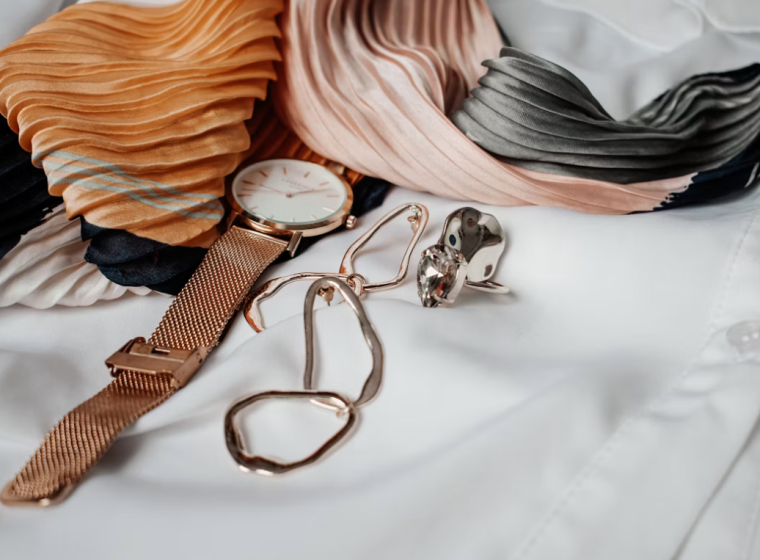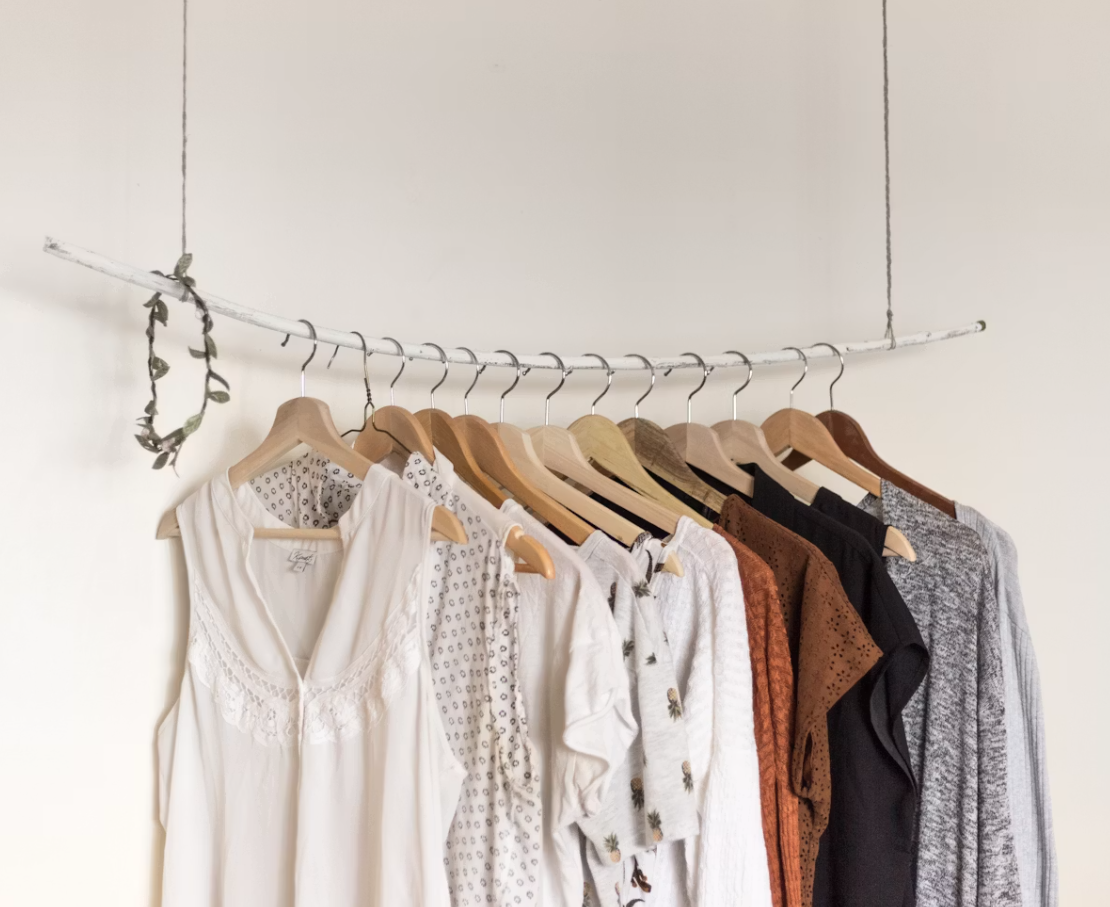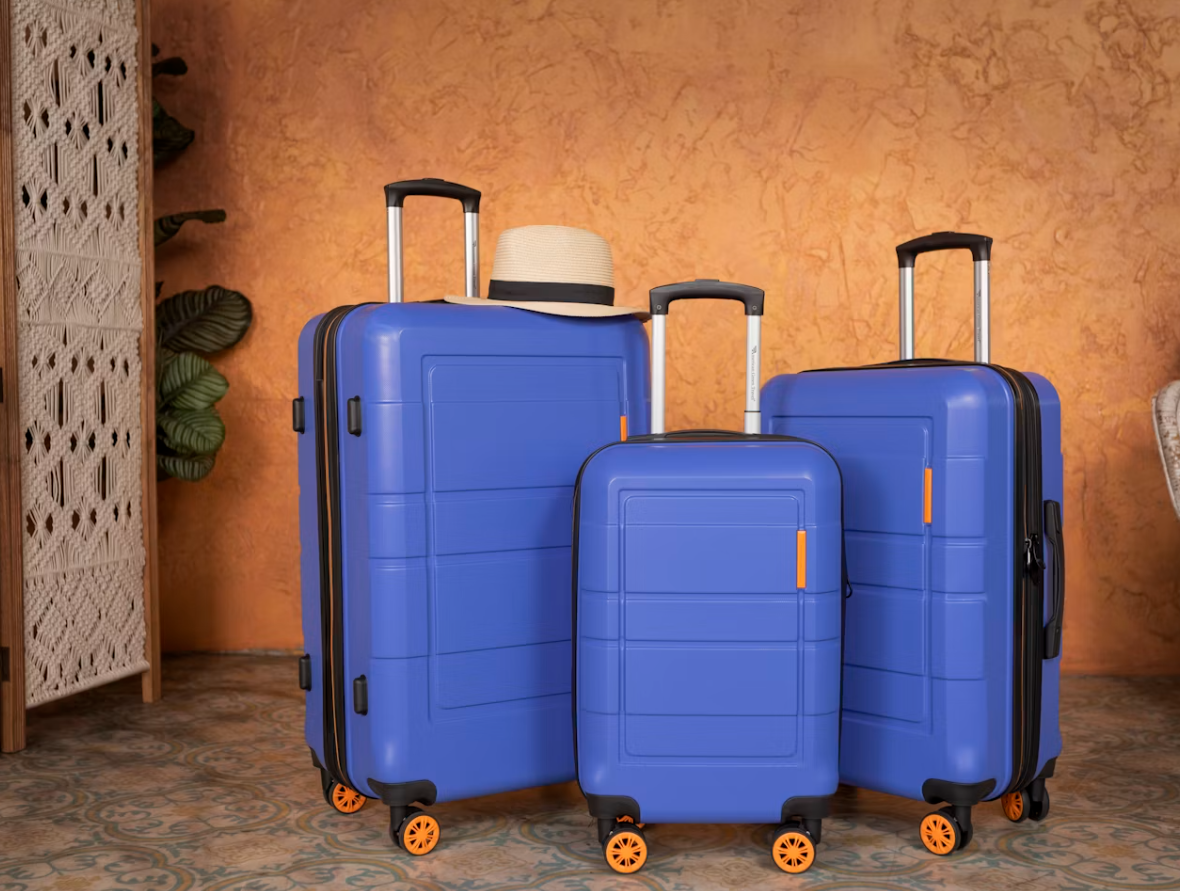
A good bag has a quiet way of shaping your day. It holds the laptop you need for a morning meeting, the charger you almost forgot, the lip balm you reach for without looking, the passport that suddenly becomes the most important item in your life, and the small personal things that make a long day feel manageable. The best bags for work, travel, and everyday use are not just attractive accessories. They are practical systems for moving through life with more ease, less clutter, and fewer small frustrations.
The challenge is that one person’s perfect bag can be another person’s daily inconvenience. A sleek leather tote may look beautiful at the office but feel heavy on a long commute. A roomy backpack may be ideal for travel but too casual for a polished workplace. A compact crossbody may be perfect for errands but too small for a full workday. Choosing the right bag is about matching design, function, comfort, and lifestyle instead of chasing one universal “best” option.
This guide breaks down what really matters when shopping for a bag that can handle work, travel, and everyday routines. Whether you are building a more refined work wardrobe, preparing for frequent trips, or simply tired of switching bags every time your schedule changes, the goal is to help you choose smarter and buy with confidence.
What Makes a Bag Truly Versatile?
A versatile bag is not necessarily the largest bag or the most expensive one. It is the bag that fits naturally into more than one part of your life. It should move from weekday responsibilities to weekend plans without feeling awkward, and it should support your habits rather than force you to reorganize everything around it.
The first sign of versatility is balanced capacity. A good everyday bag should have enough room for your essentials without becoming a black hole. For many people, that means space for a wallet, phone, keys, sunglasses, water bottle, small pouch, charger, and perhaps a tablet or laptop. For work, a padded laptop section and document-friendly shape may matter more. For travel, a luggage sleeve, secure pockets, and lightweight construction can make a noticeable difference.
The second sign is comfort. A bag that looks perfect but digs into your shoulder will quickly become a regretted purchase. Adjustable straps, padded handles, breathable back panels, and balanced weight distribution are not glamorous details, but they matter every time you leave the house.
The third sign is adaptability. Neutral colors, clean silhouettes, and practical materials often work across more settings. A structured black tote, a minimalist backpack, a polished crossbody, or a compact travel bag can be styled with office outfits, casual weekend looks, and airport clothing without feeling out of place.
The Best Types of Bags for Work
Work bags need to do more than look professional. They should protect your devices, organize daily essentials, and fit comfortably into your commute. The best option depends on your workplace, dress code, and how much you carry.
A structured tote is a classic choice for office settings. It offers easy access, a polished shape, and enough space for notebooks, a laptop, and small personal items. Look for a tote with a flat base, interior compartments, and secure closure. Open-top totes may look elegant, but they can be less practical on public transport or while traveling. A zip-top or magnetic closure adds peace of mind.
A laptop backpack is ideal for commuters, students, hybrid workers, and anyone who carries heavier items. The best work backpacks avoid bulky outdoor styling and instead use clean lines, refined materials, and organized interiors. A padded laptop sleeve, front pocket, side water bottle pocket, and comfortable straps can make a daily commute far easier.
A satchel or briefcase-style bag works well for a more traditional office environment. These bags often have a sharper, more tailored appearance, which pairs well with business clothing. However, they may feel less comfortable if you walk long distances, so check the strap options and weight before buying.
A slim messenger bag can be a good middle ground for people who want hands-free convenience without using a backpack. It is especially useful for carrying a laptop, documents, and a few essentials. The key is to choose one with a comfortable crossbody strap and enough internal structure to prevent sagging.
The Best Types of Bags for Travel
Travel bags have a different job. They need to be durable, easy to carry, and efficient under pressure. A good travel bag should help you move through airports, train stations, hotel lobbies, and day trips with less stress.
A travel backpack is one of the most practical options for shorter trips or as a personal item. Look for a design that opens wide, not just from the top. Clamshell openings make packing and unpacking easier, especially when you need to find something quickly. A dedicated laptop compartment is useful for business travel, while a hidden passport pocket or anti-theft back pocket can add convenience.
A weekender bag is ideal for overnight stays, road trips, and short getaways. It feels more stylish than a suitcase and often fits better in cars, overhead compartments, or guest rooms. The best weekenders include a shoulder strap, sturdy handles, internal pockets, and a separate shoe or laundry compartment. However, be careful with oversized styles. A beautiful weekender can become uncomfortable once fully packed.
A carry-on compatible tote can be a smart travel companion for those who prefer to keep essentials close. When choosing a tote for travel, prioritize a luggage sleeve, zip closure, lightweight material, and easy-to-clean surfaces. A bag that slides over a suitcase handle can feel like a small luxury during long airport walks.
A crossbody travel bag is useful for sightseeing and daily movement once you arrive. It should be small enough to stay comfortable but large enough for your phone, wallet, sunglasses, power bank, and travel documents. Adjustable straps and secure closures are especially important.
The Best Bags for Everyday Use
Everyday bags should feel effortless. They are the bags you reach for when you are running errands, meeting a friend, heading to a café, or leaving the house with no dramatic plan but plenty of small things to carry.
A medium crossbody bag is one of the most useful everyday styles. It keeps your hands free, sits close to the body, and works with both casual and polished outfits. Choose one with enough structure to protect your items and enough compartments to separate cards, keys, and small essentials.
A soft shoulder bag can be comfortable and stylish for daily use, especially if you prefer a relaxed look. It should sit comfortably on the shoulder without constantly slipping. Interior organization is important because softer bags can easily become messy.
A mini backpack can work well for casual everyday use, especially if you carry more than a small crossbody allows. It is useful for walks, shopping trips, and days when you want comfort without carrying a full-size backpack. For a more refined look, choose simple hardware and minimal branding.
A convertible bag can be a smart choice for people who want one bag to do more. Some designs can be worn as a backpack, shoulder bag, or crossbody. The best convertible bags feel intentional in each form, not awkward when the straps are rearranged.
Materials Matter More Than You Think
The material of a bag influences its appearance, weight, durability, care needs, and weather resistance. This is where many shoppers make decisions based on looks alone, but the practical differences can be significant.
Leather has a timeless, polished quality and can age beautifully with care. It works especially well for office totes, satchels, and everyday shoulder bags. However, leather can be heavier than other materials and may require conditioning or protection from moisture. If you walk long distances or travel often, weight matters.
Vegan leather can offer a similar look at a more accessible price point, depending on quality. It is often easier to wipe clean, but durability varies widely. Some finishes can peel or crack over time, so it is worth checking product details and customer feedback before buying.
Nylon is lightweight, practical, and often water-resistant. It is excellent for travel, commuting, and everyday bags that need to handle unpredictable weather. Modern nylon bags can look sleek and elevated, especially in minimalist designs.
Canvas has a casual, sturdy feel and works well for totes, weekenders, and relaxed everyday bags. It can be durable, but it may stain more easily than synthetic materials unless treated. Waxed canvas offers more structure and weather resistance.
Polyester is common in backpacks and travel bags. Quality can vary, but it is often lightweight and budget-friendly. Look for reinforced stitching, strong zippers, and a lined interior if choosing a polyester bag for frequent use.
Size and Capacity: How Much Space Do You Really Need?
One of the biggest mistakes shoppers make is buying a bag that is either too small for real life or too large for daily comfort. The best size depends on what you regularly carry, not what you imagine carrying on an ideal day.
For work, measure your laptop before buying. Laptop sizes listed in product descriptions can be approximate, and a padded sleeve that claims to fit a certain size may still feel tight with a protective case. If you carry papers, choose a bag that can fit documents without bending them.
For travel, consider airline personal item rules if you want the bag to fit under the seat. Also think about how the bag behaves when full. A soft bag may expand nicely, but it may also become difficult to fit into tight spaces.
For everyday use, avoid the temptation to size up too much. Extra room often invites extra clutter. A good everyday bag should encourage you to carry what you need and leave behind what you do not.
Organization: The Detail That Changes Everything
A beautiful bag loses its charm quickly if you spend five minutes searching for your keys. Organization is one of the most important features for work, travel, and daily use.
At minimum, look for one secure pocket for valuables and one easy-access pocket for items you reach for often. For work, a laptop sleeve, pen slots, and document space may be useful. For travel, passport pockets, tech compartments, and separate areas for liquids or small accessories can help.
That said, more pockets are not always better. Too many tiny compartments can make a bag feel fussy. The best organization feels intuitive. You should be able to understand where things go without turning the bag into a filing cabinet.
Comfort and Carry Style
The way a bag sits on your body matters as much as how it looks in photos. A bag may seem perfect online, but if the strap is too thin, the handles are too stiff, or the weight sits unevenly, it will not feel good in daily life.
For shoulder bags, check the strap drop. If you wear bulky coats or blazers, short handles may feel tight. For backpacks, padded straps and a supportive back panel can reduce strain. For crossbody bags, an adjustable strap is essential because body height and outfit layers affect fit.
If you commute or travel often, consider how the bag interacts with other luggage. A luggage sleeve, top handle, or removable strap can make the difference between smooth movement and constant adjustment.
Style: Choosing a Bag That Fits Your Wardrobe
Style should not be ignored. A bag is one of the most visible accessories you use, and the right one can make simple outfits look more intentional. The most versatile choices usually have clean shapes, restrained hardware, and colors that match your wardrobe.
Black, brown, tan, navy, gray, olive, and cream are easy to style. If your wardrobe is mostly neutral, a deep burgundy, forest green, or soft taupe can add interest without feeling loud. For work, structured shapes often look more polished. For travel and weekends, softer shapes can feel more relaxed.
Branding is also worth considering. Large logos may be appealing to some shoppers, but they can make a bag feel less adaptable. Minimal branding tends to age better and pair more easily with different outfits.
Common Mistakes to Avoid When Buying a Bag
The first mistake is choosing appearance over function. A bag can be beautiful and still be wrong for your routine. Before buying, imagine a typical day. Will it fit your laptop? Can you carry it comfortably? Does it close securely? Will it work in rain, crowds, or travel situations?
The second mistake is ignoring weight. Some bags are already heavy before you put anything inside. Leather, hardware, and structured bases can add noticeable weight. If you carry a laptop, water bottle, and charger, this matters.
The third mistake is buying for an imaginary lifestyle. A tiny polished bag may not work if you always carry tech accessories. A giant travel backpack may be unnecessary if your daily routine is light. Choose for the life you actually live.
The fourth mistake is overlooking care. Light-colored materials can look fresh and elegant, but they may show stains or denim transfer. Suede can be beautiful but delicate. Smooth synthetics can be easy to wipe clean but may show scratches. Care requirements should match your patience.
The fifth mistake is not checking returns or measurements. Online photos can be misleading. Always review dimensions, strap length, laptop compartment size, and product weight. These details are often more useful than lifestyle images.
How to Choose One Bag That Does Almost Everything
If you want one bag that can handle work, travel, and everyday use, aim for a medium-size structured backpack, a zip-top tote with a laptop sleeve, or a polished convertible bag. These styles offer the best balance of capacity, comfort, and versatility.
The ideal all-purpose bag should have a secure closure, neutral color, comfortable straps, durable material, and enough organization for daily essentials. It should fit your laptop if you carry one, slide easily into your wardrobe, and feel appropriate in more than one setting.
For office-heavy lifestyles, choose a refined tote or sleek backpack. For frequent travelers, choose a travel-friendly backpack or tote with a luggage sleeve. For everyday minimalists, choose a medium crossbody or compact shoulder bag. For parents, commuters, students, or anyone carrying more than the basics, comfort and organization should come first.
A Practical Buying Checklist
Before you buy, ask yourself a few simple questions. What do I carry most days? Do I need a laptop compartment? Will I use this more for work, travel, or casual errands? Do I prefer hands-free carrying? Is the material easy to clean? Does the bag close securely? Is it comfortable when full? Will the color match most of my wardrobe?
These questions may seem simple, but they prevent impulse purchases. A great bag should not require constant compromise. It should make your routine feel smoother.
Conclusion
The best bags for work, travel, and everyday use are the ones that respect both style and reality. They look good, but they also carry well. They feel polished, but they do not demand too much maintenance. They offer enough space, but they do not encourage unnecessary clutter. Most importantly, they fit the rhythm of your actual life.
Instead of searching for one perfect bag in the abstract, start with your daily habits. A commuter may need a supportive backpack. A frequent traveler may benefit from a luggage-friendly tote. A minimalist may prefer a crossbody that holds just the essentials. A professional wardrobe may call for a structured leather or vegan leather bag. When function, comfort, and style meet in the same place, a bag becomes more than an accessory. It becomes one of those quiet everyday tools that helps life move a little more gracefully.
FAQs
What type of bag is best for both work and travel?
A structured backpack or zip-top tote with a laptop sleeve is usually the most versatile choice for both work and travel. Look for comfortable straps, secure closures, organized compartments, and a luggage sleeve if you travel often.
Is a tote or backpack better for commuting?
A backpack is usually better if you carry heavier items or walk long distances because it distributes weight across both shoulders. A tote may be better for a polished office look, especially if your commute is short and your daily load is lighter.
What size bag should I choose for everyday use?
For everyday use, choose a bag that fits your essentials without too much extra space. A medium crossbody, compact shoulder bag, or small backpack works well for most daily routines. The right size depends on whether you carry tech items, a water bottle, or personal extras.
Are leather bags worth it?
Leather bags can be worth it if you want a polished look, long-term durability, and a material that can age well with care. However, leather can be heavier and may require maintenance, so it is not always the best choice for travel-heavy or low-maintenance lifestyles.
How do I choose a bag that matches most outfits?
Choose a clean silhouette, minimal hardware, and a versatile color such as black, tan, brown, navy, gray, or cream. If your wardrobe is simple, a muted accent color like olive, burgundy, or taupe can add personality while still remaining easy to style.