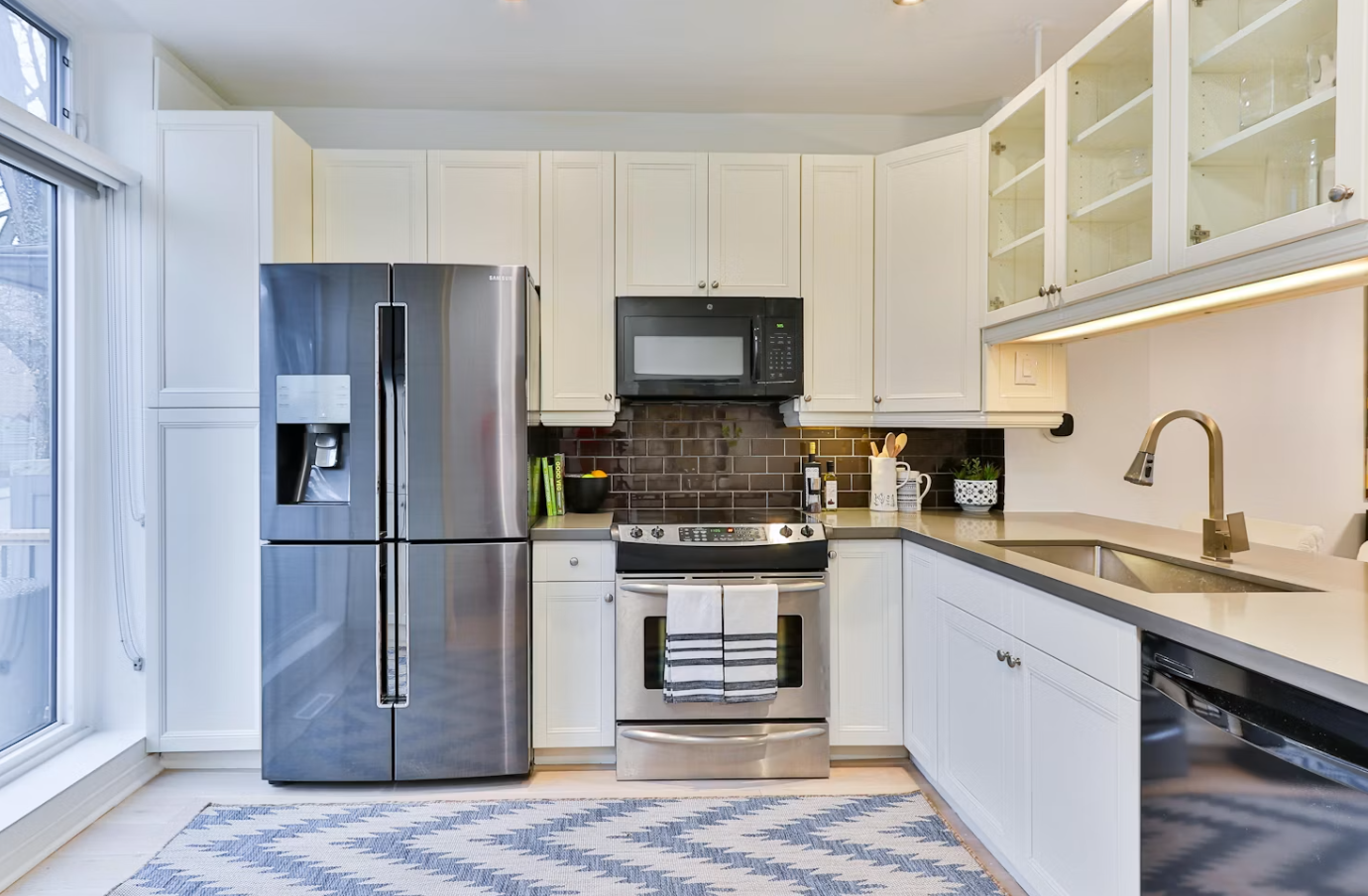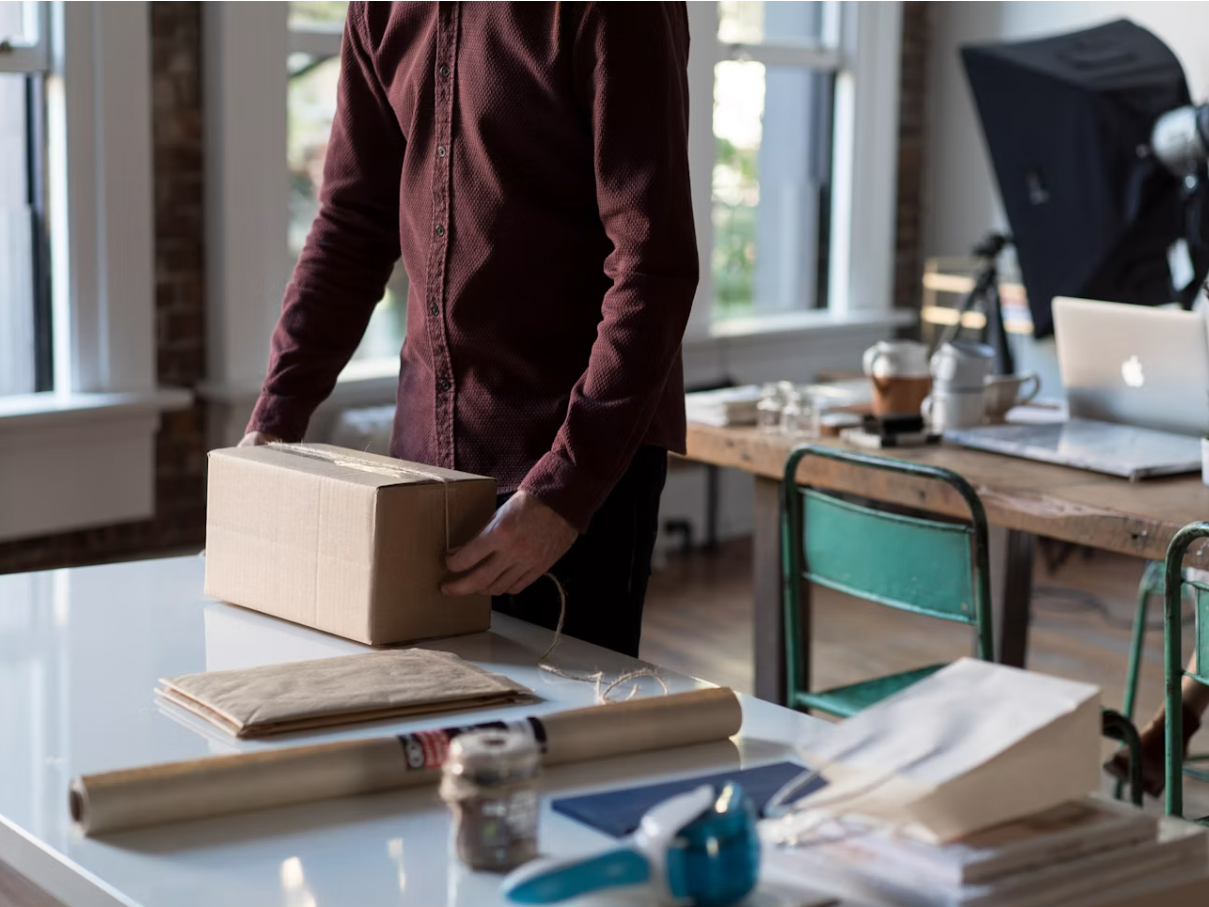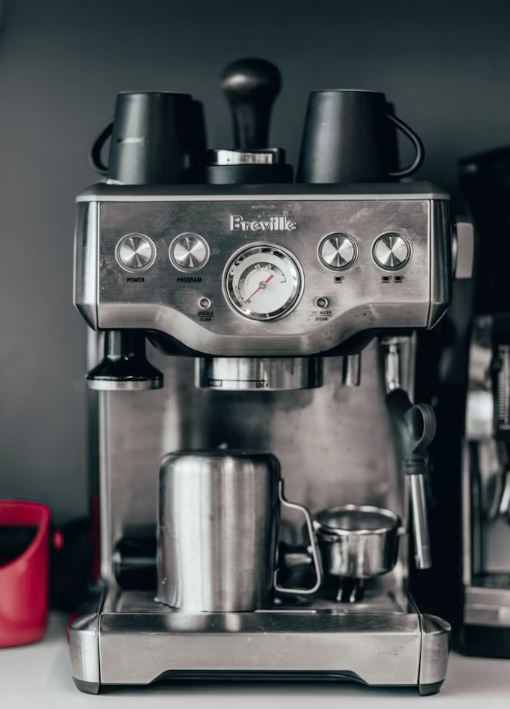
The first cup of the day often happens before the rest of the house feels fully awake. You may be moving through a dim kitchen, answering an early message, or simply trying to find five quiet minutes before the day begins. In that moment, the best coffee maker is not necessarily the most expensive machine. It is the one that fits your routine so naturally that making good coffee feels almost effortless.
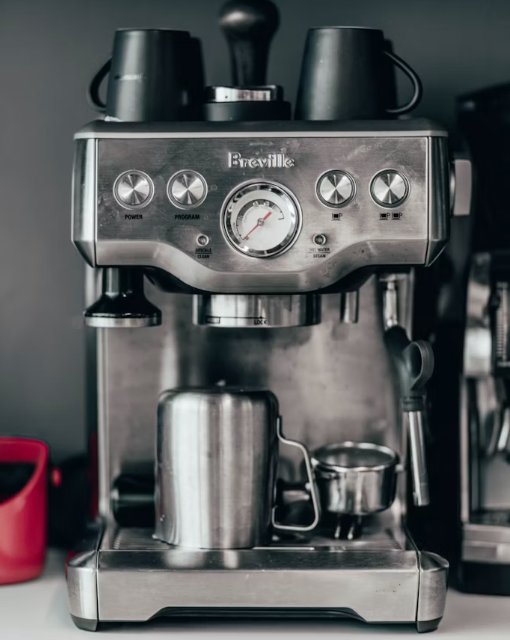
Choosing a home coffee maker in 2026 is therefore less about finding one universal winner and more about matching the machine to the way you drink coffee. A household that brews a full pot every morning has different needs from a solo drinker who wants one carefully made mug. This guide highlights eight strong options across drip coffee, espresso, single-serve, all-in-one, and manual brewing, selected for their current features, practical usability, capacity, maintenance demands, and suitability for different routines.
What Makes a Coffee Maker Worth Buying in 2026?
Modern coffee makers promise precision, customization, connected controls, and café-inspired drinks. Some of those features are useful; others become expensive decorations when they do not match your habits.
The fundamentals still matter most: stable brewing temperature, even water distribution, sensible brew time, easy cleaning, and a capacity that suits your household. Specialty Coffee Association certification can also be a helpful signal for automatic drip brewers because certified models complete third-party testing against home-brewing performance requirements. It is not the only measure of quality, but it can help narrow a crowded field.
Fellow Aiden Precision Coffee Maker
Best overall for precision and flexibility
The Fellow Aiden is a compelling choice for households that want pour-over-style control without performing a manual pour-over every morning. It automatically manages temperature, timing, and water flow, and it can brew from a single cup to a full carafe. Built-in guidance makes it approachable, while customizable profiles give enthusiasts room to experiment. Fellow also lists the machine as SCA certified.
Aiden makes the most sense for people who buy good whole-bean coffee and want to explore differences between roasts. Its advanced controls may be unnecessary for someone who only wants a basic pot, but its combination of automation and precision gives it broad appeal.
Moccamaster KBGV Select
Best for classic filter coffee and long-term simplicity
The Moccamaster KBGV Select is the quiet traditionalist of this list. Rather than surrounding brewing with menus and connected features, it focuses on straightforward filter coffee, recognizable design, and durable construction. Technivorm says its home brewers are SCA certified, made by hand in the Netherlands, and supported by a five-year limited warranty.
It suits regular pot brewers who value simplicity and a warming plate for the glass carafe. The trade-off is less programming and customization than newer premium machines.
OXO Brew 8-Cup Coffee Maker
Best compact drip coffee maker
Counter space is often the invisible deciding factor in a coffee maker purchase. The OXO Brew 8-Cup fits serious drip-coffee features into a relatively compact footprint. It can brew into its thermal carafe or directly into a mug, and OXO includes a single-serve accessory for smaller batches. The brewer is SCA certified and uses controlled brewing cycles with an integrated bloom stage.
This is a practical fit for apartments, couples, and solo drinkers who occasionally need a full carafe. The thermal carafe avoids the cooked flavor that can develop when coffee remains on a hot plate for too long. Buyers who want a programmable wake-up timer may prefer another option.
Ninja Luxe Café Premier
Best all-in-one coffee station
The Ninja Luxe Café Premier combines espresso, drip coffee, and rapid cold brew in one system, making it a versatile choice for households where everyone orders something different. The machine is designed to guide users through espresso preparation while also handling familiar coffee formats.
Its main strength is range. It can serve someone who wants a simple morning coffee and someone who wants an iced milk drink later. The compromise is size and complexity: an all-in-one system has more parts to clean, more settings to learn, and more countertop presence than a dedicated drip machine.
Breville Barista Express Impress
Best home espresso machine for guided learning
Home espresso is closer to cooking than pressing a button. Grind size, dose, tamping, extraction, and milk texture all influence the result. The Breville Barista Express Impress reduces some uncertainty with an integrated conical burr grinder, intelligent dosing, assisted tamping, and automatic dose correction. It still includes a manual steam wand, allowing users to develop milk-texturing skills.
This machine is a smart middle ground for people who want to learn espresso without starting with a separate grinder and fully manual setup. It is less suitable for anyone who dislikes cleanup or expects instant drinks.
Keurig K-Café Smart
Best single-serve option for coffee and milk drinks
The Keurig K-Café Smart is aimed at convenience-focused drinkers who like variety. It uses K-Cup pods, includes a built-in milk frother, and supports café-style drink preparation through Keurig’s BrewID system.
Its appeal is quick brewing and easy switching between flavors. It can work well in busy homes where people want different drinks at different times. Consider the ongoing pod cost and waste, and remember that pod-based concentrated coffee is not made through the same process as traditional espresso.
Cuisinart PerfecTemp 14-Cup Programmable Coffee Maker
Best for large households and frequent entertaining
When several people want coffee at once, capacity matters more than fashionable features. Cuisinart’s 14-cup programmable model offers regular and bold strength settings, 24-hour programmability, a one-to-four-cup mode, adjustable auto-off, and a glass carafe.
This is a sensible choice for families, shared homes, home offices, and weekend hosts. The warming plate keeps coffee accessible, but flavor may decline if a full pot remains heated for a long period. Brewing only what the household will drink is usually the better approach.
AeroPress Original
Best affordable manual coffee maker
The AeroPress Original shows that a useful coffee maker does not need a power cord or a permanent place on the counter. It is a compact, single-cup brewer that combines immersion, micro-filtration, and manual pressure. The design is portable, quick to rinse, and flexible enough for standard coffee or concentrated recipes.
It is especially good for small kitchens, travel, dorm rooms, and drinkers who enjoy controlling the recipe. The main limitation is volume. Making several cups becomes repetitive, but for one or two thoughtful cups, it offers excellent practical value.
How to Choose the Right Coffee Maker for Your Home
Start With Your Real Morning Routine
Imagine an ordinary Tuesday, not an aspirational Sunday. How much time do you actually have? How many people are drinking coffee? Do you want to interact with the brewing process, or do you want coffee waiting when you enter the kitchen?
A programmable drip machine is often best for speed and volume. A single-serve brewer works for different schedules or flavor preferences. An espresso machine suits someone who enjoys technique and accepts regular cleanup. A manual brewer is ideal when space, cost, and control matter more than automation.
Choose Capacity Carefully
Coffee maker cup measurements are not always equal to the large mugs used at home. A machine advertised as eight or twelve cups may produce fewer real-world servings than expected. Compare the reservoir or carafe volume with your usual mug size.
Buying too large can be as inconvenient as buying too small. Oversized machines occupy more space, while single-cup functions are useful when a household alternates between one weekday mug and a weekend carafe.
Decide Between Glass and Thermal Carafes
A glass carafe lets you see how much coffee remains and usually sits on a warming plate. It is familiar and convenient when coffee is served over a shorter period.
A thermal carafe holds heat through insulation rather than continuous warming. It is often better for preserving flavor over a longer morning because coffee is not repeatedly heated from below. Thermal carafes are heavier, less transparent, and sometimes more awkward to clean. Neither style is automatically superior; serving habits should decide.
Consider the Grinder as Part of the System
A sophisticated brewer cannot fully compensate for uneven grounds or stale coffee. Pairing a good basic brewer with a capable burr grinder may improve the daily cup more than spending everything on a feature-heavy machine.
Integrated grinders save space and simplify the workflow, but they place two appliances inside one body. Separate grinders provide more flexibility, while built-in grinders create a tidier routine.
Think About Cleaning Before Buying
Removable reservoirs, accessible brew baskets, dishwasher-safe parts, and descaling alerts strongly affect long-term satisfaction. Coffee oils collect on baskets and carafes, while mineral deposits build inside water pathways.
Before purchasing, review the cleaning process. Machines with milk systems, grinders, pod chambers, or several drink pathways require more maintenance. The best machine is one you will clean consistently, not the one with the most impressive showroom display.
Common Coffee Maker Buying Mistakes
The first mistake is buying for an imagined lifestyle. A complex espresso station may look beautiful, but a manual machine still asks the user to learn and practice.
The second is ignoring dimensions. Measure the counter, cabinet clearance, and the space required to open lids or remove reservoirs. A machine can technically fit and still be frustrating to refill.
The third is focusing only on the purchase price. Filters, pods, cleaning products, water filters, grinder maintenance, and accessories affect the real cost of ownership.
Finally, do not assume more settings always produce better coffee. Control is valuable when you understand and use it. Otherwise, a well-designed machine with fewer choices may deliver a calmer, more consistent routine.
Final Takeaway
The best coffee maker for home use in 2026 is the machine that balances coffee quality with the realities of your kitchen. The Fellow Aiden is a strong all-around choice for precision-minded drip drinkers, while the Moccamaster offers classic simplicity and the OXO 8-Cup suits smaller spaces. The Ninja Luxe Café Premier covers the widest range of drinks, the Breville Barista Express Impress supports hands-on espresso learning, and the Keurig K-Café Smart prioritizes speed and variety. Larger households may appreciate the Cuisinart 14-Cup, while the AeroPress remains a capable low-cost option.
Choose according to your daily rhythm, not the loudest feature list. When capacity, workflow, cleanup, and coffee preferences line up, the right machine stops feeling like another appliance and becomes part of the morning.
Frequently Asked Questions
Is an expensive coffee maker worth it for home use?
It can be worth it when the extra cost pays for features you will use, such as precise brewing, a durable thermal carafe, adjustable profiles, integrated grinding, or repairable construction. A basic machine may be smarter when convenience and familiar coffee matter more than experimentation.
What type of coffee maker makes the strongest coffee?
Strength depends on the coffee-to-water ratio, grind size, and brewing method. Espresso machines make a small, concentrated drink, while drip and immersion brewers can produce a bold full-size cup with an appropriate recipe. Decide whether “strong” means concentration, roast flavor, or caffeine.
Is a thermal carafe better than a glass carafe?
A thermal carafe is usually better for keeping coffee warm without continued heating. A glass carafe is easier to see through and may be more convenient when coffee will be served quickly. Your serving habits matter more than the material alone.
How often should a home coffee maker be cleaned?
Rinse removable coffee-contact parts after regular use and wash them often enough to prevent oil buildup. Descaling frequency depends on water hardness and usage, so follow the manufacturer’s instructions and respond to cleaning indicators. Milk systems and grinders require additional care.
Do I need a separate coffee grinder?
A separate burr grinder is helpful when you buy whole beans and want more control over grind size, but it is not essential for everyone. Pre-ground coffee can be practical for a simple drip machine, while some espresso systems already include a grinder.