There is a particular kind of confidence that comes from wearing shoes you do not have to think about. No pinching at the toes while you stand in line for coffee. No quiet negotiation with a stiff heel on the walk from the parking lot. No moment in the afternoon when style suddenly feels like a poor bargain. The best everyday shoes are the ones that let you move through life without making your feet the main subject of the day.
Comfortable shoes have become more than a practical purchase. They are part of a larger shift toward wardrobes that feel good in real life. People still want shoes that look polished, modern, and personal, but they also want pairs that can handle commuting, errands, school runs, casual workdays, travel, dinner plans, and long hours on their feet.
The good news is that comfort no longer means giving up style. Today’s everyday shoes can be streamlined, elegant, sporty, classic, or minimal. The challenge is choosing wisely. A shoe can look soft in photos and still feel awkward after two hours. Another may seem basic at first but become the pair you reach for more than anything else in your closet.
This guide explores comfortable shoes worth wearing every day, what makes them practical, how to compare different styles, and what mistakes to avoid when shopping. Think of it as a wardrobe edit for your feet: less impulse buying, more thoughtful choices, and more pairs that genuinely earn their place by the door.
What Makes a Shoe Comfortable Enough for Everyday Wear?
Everyday comfort is not about one single feature. It is the result of several details working together: fit, cushioning, support, flexibility, breathability, weight, and stability. A shoe may have a soft insole, but if the heel slips or the toe box feels cramped, it will not feel comfortable for long.
Fit should come first. Your toes need enough room to rest naturally, the heel should feel secure without rubbing, and the shoe should not squeeze the widest part of your foot. Many shoppers focus only on length, but width and shape matter just as much. A pointed shoe can be beautiful, but if it compresses the front of the foot, it may not be the best everyday choice.
Cushioning is also important, especially if you walk or stand frequently. However, overly soft shoes are not always the most comfortable over time. A good everyday shoe should feel cushioned but stable, like a supportive chair rather than a sinking sofa.
The outsole matters too. A flexible sole can make walking feel more natural, while enough grip helps you feel secure on different surfaces. Lightweight construction can reduce fatigue, but the shoe should still feel durable enough for regular wear.
Most importantly, everyday shoes should match your real lifestyle. The best pair for someone who walks miles each day may not be the same pair for someone who works in a smart-casual office. Comfort is personal, but thoughtful buying makes it much easier to find.
Clean White Sneakers
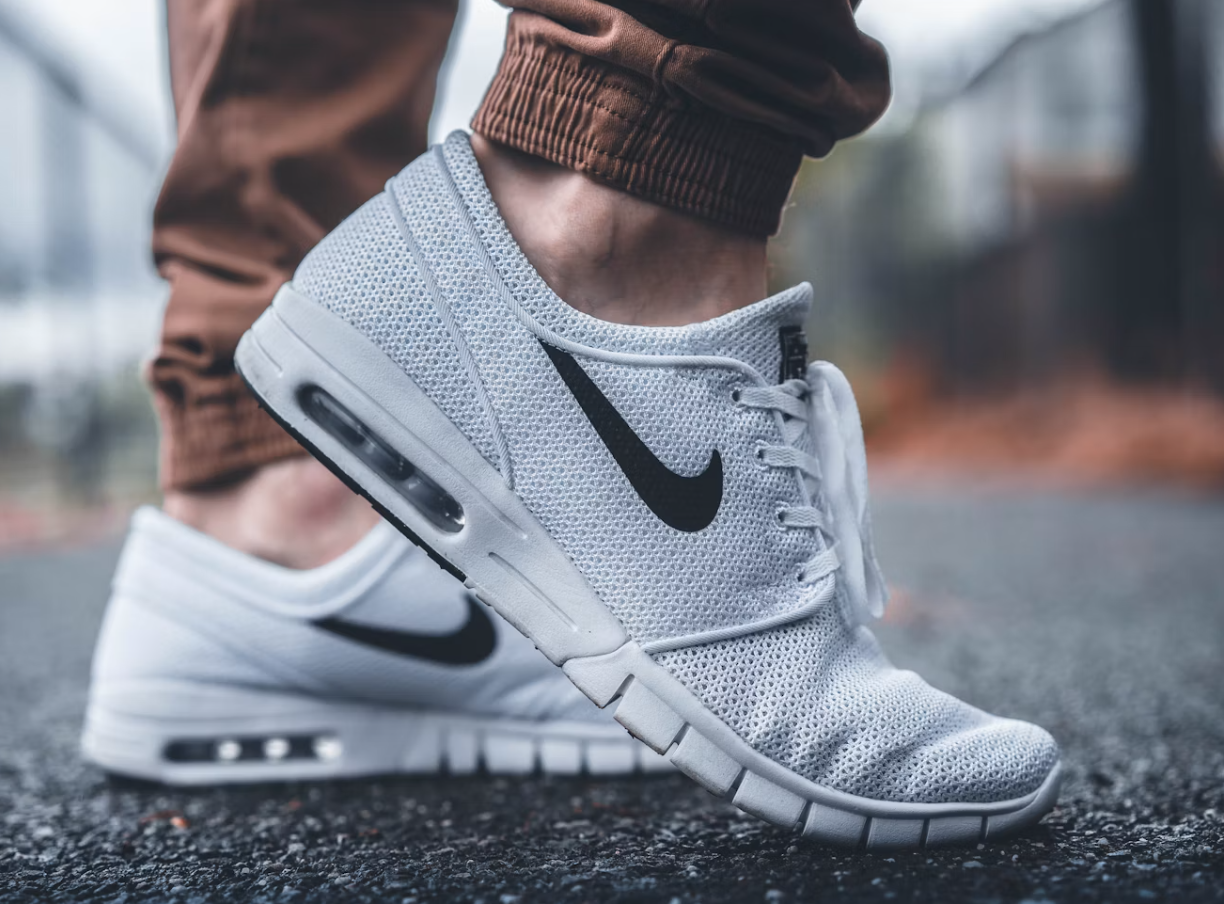
Clean white sneakers have become a modern wardrobe essential because they work almost everywhere casual style is welcome. They can soften tailored trousers, make dresses feel more relaxed, and keep denim looking fresh. When designed well, they are one of the easiest comfortable shoes to wear every day.
The most versatile white sneakers have a low-profile shape, moderate cushioning, and minimal branding. Leather or leather-like uppers often look more polished and wipe clean more easily, while canvas options feel lighter and more relaxed. Knit sneakers can be breathable and flexible, though they may look sportier depending on the design.
When shopping, pay attention to the sole thickness and toe shape. A slightly cushioned sole can make a big difference for walking, while a rounded or softly almond-shaped toe often feels more forgiving than a narrow front.
White sneakers do require some care. They do not need to look perfect, but regular wiping helps them stay intentional rather than tired. If you want the same styling flexibility with less maintenance, off-white, cream, beige, or pale gray sneakers can be just as wearable.
Supportive Walking Sneakers
If your days involve long commutes, travel, campus walks, city errands, or standing for extended periods, supportive walking sneakers may be the most practical everyday choice. Unlike fashion sneakers, walking shoes are usually designed with comfort features as the main focus.
Look for cushioning that feels balanced, a stable heel, breathable materials, and an outsole with good grip. The shoe should bend where your foot naturally bends, not in the middle of the arch. A padded collar can help prevent rubbing around the ankle, while a removable insole gives you more flexibility if you prefer custom inserts.
Style has improved significantly in this category. Many walking sneakers now come in neutral colors, sleeker profiles, and less bulky shapes, making them easier to pair with casual outfits. Black, white, gray, navy, and beige are safe choices for maximum wear.
The key is to be honest about your needs. If you regularly walk a lot, a supportive sneaker may serve you better than a delicate flat or trendy shoe that looks good only in short bursts. Comfort is not a compromise when the shoe fits the life you actually live.
Classic Loafers
Loafers are the polished workhorses of a comfortable wardrobe. They sit neatly between casual and formal, which makes them ideal for office days, lunch plans, travel outfits, and smart weekend dressing. A good loafer can make jeans look sharper and trousers feel less corporate.
Comfortable loafers depend heavily on fit and materials. Soft leather, suede, or flexible high-quality alternatives tend to break in more comfortably than very stiff uppers. The heel should not slip excessively, but the front should not pinch. Because loafers do not have laces, getting the fit right is especially important.
Chunky loafers can feel modern and provide a sturdier sole, while slim loafers look more classic and elegant. Penny loafers, driving loafers, and horsebit styles each bring a slightly different mood. For daily wear, choose the version that matches your wardrobe rather than the one that simply feels most fashionable right now.
Black loafers are timeless, but brown, tan, burgundy, navy, and cream can be beautifully versatile. If you want one pair that works across seasons, a medium brown or black loafer is usually a safe investment.
Ballet Flats and Mary Janes
Ballet flats and Mary Janes have returned to everyday wardrobes because they offer a soft, feminine alternative to sneakers. They work with cropped jeans, slip skirts, wide-leg trousers, dresses, and simple knitwear. When designed well, they feel light and easy without looking overly casual.
The challenge is support. Many ballet flats are very thin, which can feel elegant at first but uncomfortable during long walks. For everyday wear, look for a cushioned footbed, a flexible but protective sole, and a shape that does not squeeze the toes. A slightly squared or rounded toe is often more comfortable than a narrow pointed style.
Mary Janes add a strap, which can make them feel more secure. This is especially helpful if regular flats tend to slip off your heels. Adjustable straps are better than fixed ones because they allow a more customized fit.
These shoes are ideal for days when you want something easy but more refined than sneakers. They may not be the best choice for heavy walking, but for office days, brunch, errands, or casual evenings, a comfortable pair can become a quiet favorite.
Slip-On Sneakers
Slip-on sneakers are made for convenience. They are the shoes you reach for when you are carrying groceries, rushing out the door, or traveling through airport security. No laces, no fuss, just an easy step-in design that still feels casual and put together.
The best slip-on sneakers have a secure fit, flexible sides, and enough cushioning for daily wear. Canvas versions feel laid-back and breathable, while leather or suede styles can look more elevated. Some modern slip-ons include hidden elastic panels or padded collars to improve comfort.
Fit is important because slip-ons should not slide around as you walk. If the heel lifts with every step, the shoe can quickly become irritating. At the same time, the top should not press too tightly across the foot.
Slip-on sneakers are especially useful for travel, school runs, casual offices, and weekend routines. They may not feel as supportive as dedicated walking sneakers, but they are hard to beat for simple everyday convenience.
Comfortable Ankle Boots
Ankle boots can be surprisingly comfortable when chosen carefully. They provide more coverage than flats, often look more polished than sneakers, and can carry outfits through cooler weather with ease. The right pair works with jeans, trousers, midi skirts, sweater dresses, and casual tailoring.
For everyday wear, heel height matters. A low block heel or flat sole is usually more comfortable than a high narrow heel. The toe shape should allow natural movement, and the ankle opening should not rub when you walk.
Side zippers, pull tabs, and elastic panels can make boots easier to put on and take off. A cushioned insole is helpful, but stability is just as important. If the sole feels slippery or the heel feels unstable, the boot may not be practical for daily use.
Black leather ankle boots are classic, but brown, taupe, tan, and deep burgundy can soften an outfit beautifully. Suede can look elegant but may need more care in wet weather. Choose materials based on your climate and habits, not just appearance.
Cushioned Sandals
For warm weather, cushioned sandals can be everyday heroes. They offer breathability and ease while still supporting casual routines. The best pairs feel secure on the foot and comfortable enough for walking, not just standing briefly.
Look for adjustable straps, a contoured footbed, and a sole with some grip. Flat sandals with no structure can look delicate, but they may not be ideal for long days. A slight platform or cushioned base can make sandals more wearable without feeling heavy.
Leather sandals can look polished and soften with wear, while sporty sandals may be better for travel, outdoor markets, and active weekends. Minimalist slides are convenient, but they should stay securely on the foot. If your toes have to grip constantly to keep the sandal in place, it is not truly comfortable.
Neutral colors such as tan, black, cream, and brown are easy to style, but metallic sandals can also function as a versatile neutral in summer wardrobes.
Mules and Clogs
Mules and clogs appeal to people who love easy slip-on shoes but want something more substantial than a flat slide. They can feel relaxed, artistic, or polished depending on the shape and material.
A comfortable mule should hold the foot securely across the top without squeezing. The footbed should feel supportive, and the sole should offer enough stability to prevent the shoe from feeling wobbly. Open-back shoes naturally require a slightly different walking feel, so not everyone finds them ideal for long distances.
Clogs often provide more structure and a thicker sole. Some have a casual, practical look, while others feel more refined with leather uppers and streamlined shapes. They can pair well with denim, wide-leg pants, simple dresses, and relaxed tailoring.
These shoes are best for people who appreciate convenience and do not need a fully enclosed heel. They are excellent for home-to-errand dressing, creative workplaces, and transitional seasons.
Everyday Work Shoes
Work shoes need to balance comfort, dress code, and personal style. For some people, that means loafers or ballet flats. For others, it may be sleek sneakers, low block heels, ankle boots, or polished flats.
The best work shoes depend on your environment. A formal office may require leather loafers, dress flats, or classic pumps with moderate heel height. A casual workplace may allow clean sneakers or supportive slip-ons. If you move between meetings, commuting, and desk work, comfort should be part of the dress code you set for yourself.
Look for shoes that remain comfortable after several hours, not just during the first try-on. Consider whether they work with the pants, skirts, and dresses you already own. A shoe that only matches one outfit will not be as useful as a pair that supports your full weekly wardrobe.
For work shoes, quality details matter: secure soles, breathable lining, stable heels, and materials that resist looking worn too quickly. The goal is quiet polish, not constant adjustment.
Travel-Friendly Shoes
Travel shoes have a difficult job. They need to be comfortable for walking, easy to style, lightweight enough to pack, and versatile enough for different plans. A good travel shoe can take you from sightseeing to dinner without making you wish you had packed three extra pairs.
The most useful travel shoes are often clean sneakers, supportive sandals, loafers, or ankle boots depending on the destination. Choose neutral colors and avoid shoes that require a long break-in period. Travel is not the time to discover that a heel rubs or a strap digs in.
A flexible sole, cushioned footbed, and breathable upper can make long days easier. If you are packing light, choose shoes that work with multiple outfits. One walking-friendly pair and one slightly dressier pair may be enough for many trips.
The biggest mistake is packing shoes based only on how they look in photos. Travel comfort is real-life comfort. Think about pavement, stairs, weather, luggage, and how many hours you will actually be on your feet.
How to Choose the Right Everyday Shoe for Your Wardrobe
Start with your lifestyle. Do you walk a lot? Work in an office? Spend weekends outdoors? Travel often? Dress casually or more polished? Your everyday shoes should match your routine before they match a trend.
Next, consider your wardrobe colors. If most of your clothes are black, gray, navy, and white, black or white shoes may be easiest. If you wear warm neutrals like cream, camel, olive, and brown, tan or chocolate shoes may blend better. The most wearable shoe is often the one that quietly connects with what you already own.
Think about your most common outfits. A shoe should work with at least three to five looks in your wardrobe. If it only works with one dress or one pair of trousers, it may be more of a special item than an everyday essential.
Comfort testing is also important. Walk around indoors before committing. Notice whether your toes feel crowded, whether your heel slips, whether the arch feels supported, and whether the sole feels stable. Comfort should feel convincing, not hopeful.
Common Mistakes to Avoid When Buying Comfortable Shoes
One common mistake is assuming shoes will stretch enough to become comfortable. Some materials soften, but a poor fit rarely transforms completely. If a shoe hurts immediately, be cautious.
Another mistake is choosing the wrong shoe for the wrong job. Fashion sneakers may not offer enough support for long walking days. Delicate flats may not be ideal for commuting. Heavy boots may look stylish but feel tiring if worn all day.
Shoppers also overlook socks. The thickness and shape of your socks can change how shoes fit. Try shoes with the socks or hosiery you plan to wear most often.
Finally, do not ignore weight. A shoe can have cushioning and still feel heavy after hours of wear. Everyday shoes should feel supportive without dragging your steps down.
A Balanced Final Takeaway
Comfortable shoes worth wearing every day are not about giving up style. They are about choosing pairs that support your actual life. A wardrobe built around wearable shoes feels more practical, more polished, and more honest.
For many people, the strongest everyday shoe collection includes clean sneakers, supportive walking shoes, loafers, comfortable flats, ankle boots, and warm-weather sandals. You do not need every category, but you do need shoes that cover your real routines.
The best pair is the one you reach for without hesitation. It fits well, works with your clothes, suits your schedule, and still feels good at the end of the day. That is the quiet luxury of everyday comfort.
Conclusion
Comfortable shoes are one of the smartest wardrobe investments you can make. They influence how you move, how long you stay out, how confident you feel, and how often you actually wear the clothes you own. From clean white sneakers and classic loafers to cushioned sandals, supportive walking shoes, and reliable ankle boots, the right pair can make daily dressing feel easier and more refined.
When shopping, focus on fit, support, materials, sole design, and lifestyle match. Avoid buying only for appearance or assuming discomfort will disappear with time. Shoes should earn their place through both style and wearability. When they do, they become more than accessories. They become the foundation of a better everyday wardrobe.
FAQs
What are the best comfortable shoes for everyday wear?
The best everyday shoes depend on your lifestyle, but clean sneakers, supportive walking shoes, loafers, cushioned sandals, comfortable flats, and low-heel ankle boots are among the most versatile options. Choose pairs that match your daily activities and wardrobe.
Can comfortable shoes still look stylish?
Yes, comfortable shoes can look polished and modern when you choose clean shapes, versatile colors, and quality materials. Loafers, streamlined sneakers, ballet flats, and ankle boots can all be both comfortable and stylish.
How do I know if a shoe fits properly?
A properly fitting shoe should allow your toes to rest naturally, hold your heel securely, and feel comfortable across the widest part of your foot. It should not pinch, rub, slide excessively, or require you to change the way you walk.
Are sneakers the best choice for daily comfort?
Sneakers are often a strong choice for daily comfort, especially if you walk frequently. However, loafers, flats, sandals, and boots can also be comfortable if they are well designed and suited to your activities.
How many pairs of everyday shoes should I own?
There is no fixed number, but many wardrobes work well with a small rotation: one supportive sneaker, one polished flat or loafer, one seasonal sandal, and one boot for cooler weather. The right number depends on your climate, work environment, and personal style.