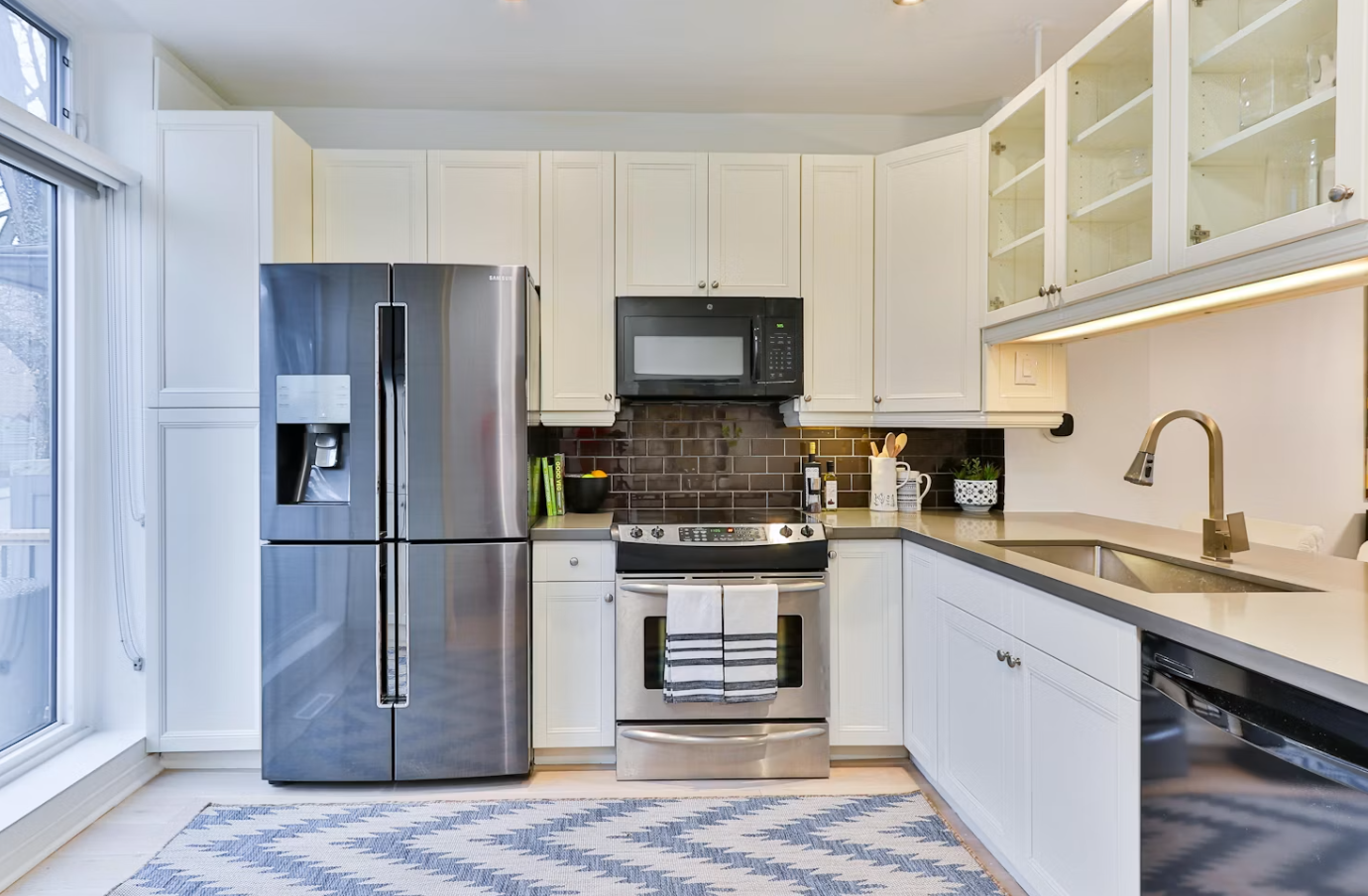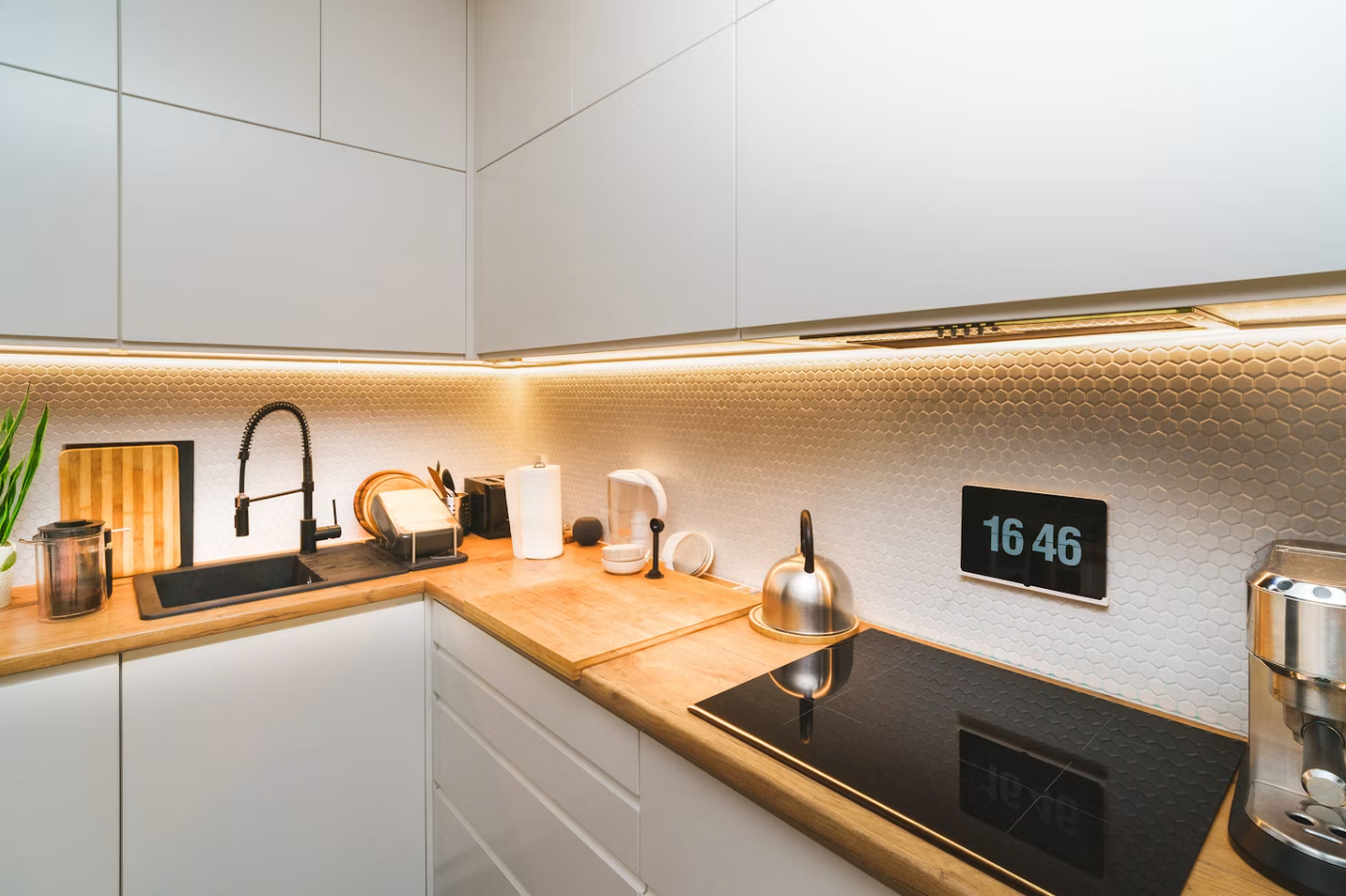
There is a quiet kind of luxury in a home that simply works. The drawer opens and the item you need is there. The floor stays cleaner with less effort. Dinner feels easier to start. Laundry no longer becomes an all-day negotiation. Daily life may never be completely effortless, but the right home products can remove small frictions before they become big frustrations.
That is the real value of essential home products. They are not always flashy. They may not be the items that make guests stop and ask where you bought them. More often, they are the practical pieces that support your routines in the background: a well-designed storage bin, a reliable cordless vacuum, a simple meal-prep container set, a compact air purifier, or a smart plug that turns a forgotten lamp into part of your evening rhythm.
For shoppers, the challenge is not finding home products. It is choosing the ones that actually improve daily life instead of adding more clutter. A useful home product should solve a recurring problem, fit your space, match your habits, and be easy enough to use that it becomes part of your routine. This guide looks at the types of essential home products that can make daily living simpler, what features matter most, what is optional, and how to shop with a clear eye.
Why Simple Home Products Matter More Than Trendy Ones
Modern homes are full of temptations. Every season brings a new gadget, organizer, cleaning tool, or kitchen accessory promising to transform the way you live. Some are genuinely helpful. Others solve problems you did not really have.
The products that make the biggest difference are usually the ones connected to everyday repetition. Think about the tasks you do constantly: cleaning crumbs from the floor, storing leftovers, charging devices, sorting laundry, preparing coffee, organizing toiletries, managing entryway clutter, or keeping your work area tidy. A small improvement in a repeated task can feel surprisingly meaningful over time.
Before buying anything, ask a simple question: will this make something I already do easier, faster, cleaner, or less stressful? If the answer is yes, it may be worth considering. If the product only looks appealing because it is popular or beautifully photographed, pause before adding it to your cart.
A home does not need more things. It needs the right things in the right places.
Smart Storage That Reduces Visual Noise
Clutter is rarely just a design problem. It affects how a room feels, how quickly you can find what you need, and how easily you can clean. Smart storage products help create order without making your home feel rigid or overly staged.
Clear storage bins are useful for pantries, closets, under-sink areas, and bathroom shelves because they let you see what you own at a glance. Stackable bins can help maximize vertical space, especially in apartments or smaller homes. Drawer dividers are excellent for kitchens, desks, and dressers because they prevent small items from becoming a tangled mess.
For entryways, a shoe rack, wall hooks, or a slim console basket can make mornings smoother. Keys, bags, umbrellas, and everyday shoes need a landing zone. Without one, they scatter across chairs, floors, and countertops.
What matters most is not buying matching containers for every corner of your home. It is choosing storage that fits the items you actually use. Measure shelves before purchasing. Consider whether you prefer clear bins, woven baskets, fabric cubes, or lidded boxes. Open storage works well for things you reach for often, while closed storage is better for seasonal or less attractive items.
A common mistake is buying organizers before decluttering. Storage should support your home, not hide unnecessary excess.
Cleaning Tools That Make Maintenance Easier
A clean home feels better to live in, but cleaning becomes easier when your tools are convenient enough to use often. This is why lightweight, easy-access cleaning products can be more useful than bulky tools that stay tucked away in a closet.
A cordless stick vacuum is one of the most practical home products for many households. It is especially helpful for quick cleanups in kitchens, hallways, and living areas. If you have pets, children, or high-traffic floors, look for strong suction, easy-empty dust bins, washable filters, and attachments for corners or upholstery. Battery life matters, but so does weight. A vacuum that feels too heavy may not be used as often as intended.
Microfiber cloths are another underrated essential. They can handle dusting, wiping mirrors, polishing surfaces, and cleaning small spills. Reusable cloths also reduce the need for disposable wipes in many situations.
A compact mop system or spray mop can help with daily floor maintenance. For bathrooms, a simple squeegee and a dedicated brush can prevent buildup from becoming harder to manage later. These products are not glamorous, but they turn cleaning into smaller, more manageable moments.
The goal is not to buy every cleaning gadget available. Choose tools that match your flooring, surfaces, household size, and cleaning habits. The easier a tool is to grab, use, clean, and store, the more valuable it becomes.
Kitchen Products That Save Time Without Taking Over the Counter
The kitchen is often where convenience matters most. It is also where unnecessary gadgets accumulate fastest. The most helpful kitchen products are those that support everyday cooking, food storage, and cleanup.
A good set of food storage containers can make meal prep, leftovers, and lunch packing much simpler. Look for containers that stack neatly, seal securely, and are easy to clean. Glass containers feel sturdy and are useful for reheating, while lightweight plastic options may be better for travel or packed lunches. The best choice depends on how you use them.
A quality cutting board, sharp everyday knife, and compact dish rack may not sound exciting, but they can make cooking smoother. If you regularly prepare fresh ingredients, a salad spinner, vegetable chopper, or mandoline may be useful. If you rarely cook from scratch, those same items may become clutter.
Small appliances can also simplify routines when chosen thoughtfully. An electric kettle is excellent for tea, coffee, oatmeal, and quick hot water. A toaster oven can be useful for reheating small portions without using a full oven. A rice cooker or multicooker can support simple weeknight meals with less attention.
The key is to avoid buying appliances for an imaginary version of your lifestyle. Choose products for the way you cook now, while leaving room for habits you realistically want to build.
Laundry Helpers That Keep the Routine Moving
Laundry is one of those household tasks that can quietly expand until it feels endless. The right products can help you sort, wash, dry, fold, and store clothing with less friction.
A divided laundry hamper is useful for separating lights, darks, towels, or delicate items before wash day. If your laundry area is small, choose a slim hamper or rolling basket that fits your space. For households with children or multiple family members, individual hampers can reduce sorting time.
Mesh laundry bags are helpful for delicate clothing, socks, washable accessories, and small items that tend to disappear. A drying rack is practical for garments that should not go in the dryer, as well as workout clothing or lightweight fabrics. Foldable racks are especially useful because they can be stored when not in use.
For closets, slim hangers can create more space and a cleaner look. Drawer organizers can help separate socks, undergarments, and folded basics. These products may seem minor, but they reduce the daily search for what to wear.
The common mistake is focusing only on washing and ignoring the full laundry cycle. A simpler laundry routine needs support from hamper to closet.
Bathroom Essentials That Create Calm
A bathroom can quickly shift from serene to chaotic because so many small products compete for space. The right bathroom essentials help keep daily routines efficient and visually calm.
A shower caddy or corner shelf can organize shampoo, conditioner, body wash, and razors without crowding the tub ledge. For shared bathrooms, separate baskets or labeled bins can help each person keep products contained. Under-sink organizers make better use of vertical space and prevent bottles from disappearing at the back of the cabinet.
A quick-dry bath mat is practical for comfort and cleanliness. Towel hooks can be more convenient than towel bars in busy households because they make it easier to hang towels quickly. Small countertop trays can group everyday items such as hand cream, soap, fragrance, or skincare without making the surface look messy.
Lighting also matters. A simple vanity mirror with good illumination can improve grooming routines, especially in bathrooms with poor overhead lighting. You do not need a dramatic renovation to make a bathroom feel more functional. Often, better organization and small comfort upgrades are enough.
Smart Home Products That Add Convenience Without Complexity
Smart home products can be genuinely useful when they solve simple problems. The best options do not require a complicated setup or constant app management.
Smart plugs are a good entry point. They can schedule lamps, fans, coffee stations, or seasonal lights. Instead of walking through the house turning off multiple items, you can automate small routines. Smart bulbs can also help adjust lighting for mornings, evenings, or work sessions.
A smart speaker can be useful for timers, reminders, music, weather updates, and hands-free questions while cooking or cleaning. Video doorbells and smart locks may appeal to people who want more visibility and convenience around home entry, though shoppers should consider privacy settings, subscription costs, installation needs, and compatibility before buying.
The main point is to avoid making your home smarter than it needs to be. A product should reduce effort, not create another system to manage. Check whether it works with your current phone, Wi-Fi setup, and preferred voice assistant. Also look at whether key features require paid plans.
Comfort Products That Improve Everyday Living
Some essential home products are not about efficiency. They are about making the home feel more comfortable and pleasant to live in.
A supportive throw pillow, soft blanket, or quality set of sheets can improve the way bedrooms and living areas feel. Blackout curtains may be helpful for light-sensitive sleepers, shift workers, or rooms with strong morning sun. A bedside lamp with warm lighting can make evenings feel calmer than bright overhead lights.
Air quality products may also be worth considering depending on your space. A compact air purifier can be useful in bedrooms, home offices, or areas where dust, pet hair, or outdoor pollution is a concern. Look at room size coverage, filter replacement costs, noise level, and maintenance requirements. Humidifiers may be helpful in dry environments, but they require regular cleaning to avoid becoming more trouble than they are worth.
Comfort purchases should still be practical. A beautiful blanket that is difficult to wash may not suit a home with pets or children. A stylish chair that is uncomfortable will not become more useful just because it photographs well. Choose comfort items that fit your real life.
Work-from-Home Products That Support Focus
As more people use home spaces for work, study, or creative projects, the line between living and working areas has become more important. Even a small desk corner can feel better with the right essentials.
A laptop stand can improve screen height, while a separate keyboard and mouse may make longer work sessions more comfortable. A desk lamp helps define the workspace and reduces dependence on overhead lighting. Cable organizers can prevent cords from turning into visual clutter.
A small file organizer or desktop tray can keep papers, notebooks, and daily tools within reach. If space is limited, choose vertical storage rather than spreading items across the desk. Noise-reducing headphones may also be useful for shared homes, though comfort and fit matter as much as sound quality.
The goal is to create a workspace that is easy to start using and easy to reset at the end of the day. When work items have a place to go, your home can feel like home again after hours.
How to Choose Home Products That Are Actually Worth Buying
A smart purchase begins with your routine, not the product page. Before buying, pay attention to the tasks that annoy you most often. Are mornings messy because bags and keys have no home? Does cooking feel difficult because your knives are dull? Does cleaning get delayed because the vacuum is too inconvenient? These clues point toward products that may genuinely help.
Consider these buying factors:
Function: What problem does the product solve?
Fit: Will it work in your actual space?
Frequency: How often will you use it?
Maintenance: Is it easy to clean, refill, charge, or store?
Durability: Does it seem built for regular use?
Storage: Where will it live when not in use?
Compatibility: Does it work with items or systems you already own?
Price matters, but value is not always about choosing the cheapest option. A slightly better product that you use daily may be more worthwhile than a cheaper one that frustrates you. At the same time, not every home item needs to be premium. Spend more where performance and durability matter, and save on simple items that do not need special features.
Common Mistakes to Avoid When Buying Home Essentials
One of the biggest mistakes is buying too many products at once. A home improves more naturally when you upgrade one routine at a time. Start with the area that creates the most daily stress, then build from there.
Another mistake is choosing items only because they match a trend. Clear acrylic bins, minimalist appliances, neutral baskets, and smart gadgets can all be useful, but only if they work for your lifestyle. A product that looks beautiful online may not suit your cabinet dimensions, cleaning habits, or family needs.
Do not ignore maintenance costs. Air purifiers need filters. Some smart devices may require subscriptions for advanced features. Certain kitchen tools have parts that are annoying to clean. A product that saves time in one area but creates extra work elsewhere may not be the right fit.
Also avoid buying duplicates without checking what you already own. Many homes have enough containers, cloths, chargers, baskets, or gadgets hidden in drawers. Sometimes simplifying means using what you already have more intentionally.
Building a Simpler Home One Product at a Time
A simpler home is not built through one dramatic shopping trip. It is shaped slowly through better choices. You notice where life feels clunky, then you add a product that smooths the edge. You remove what is no longer useful. You organize what remains. Over time, the home begins to support you more quietly and consistently.
Essential home products should feel like good background music. Present, helpful, and never demanding too much attention. They should make routines easier, rooms calmer, and decisions lighter.
When shopping, focus less on what looks impressive and more on what feels useful. The best products are not always the most expensive or the most advanced. They are the ones that earn their place because they make daily life a little easier, again and again.
Conclusion
Essential home products are worth buying when they solve real problems, fit naturally into your space, and make everyday routines feel more manageable. From storage bins and cleaning tools to kitchen helpers, laundry organizers, smart plugs, and comfort upgrades, the most useful items are often practical rather than dramatic.
A well-chosen product can save minutes, reduce clutter, improve comfort, or make a task less annoying. A poorly chosen one can become another thing to clean, store, or regret. The smartest approach is to shop slowly, prioritize your daily habits, and choose products that support the life you actually live. In the end, a simpler home is not about owning more. It is about owning better.
FAQs
What are the most useful home products for daily life?
The most useful home products are items that support repeated routines, such as storage bins, drawer organizers, cordless vacuums, food storage containers, laundry hampers, smart plugs, and good lighting. The right choice depends on your home size, lifestyle, and the tasks that create the most daily friction.
How do I avoid buying home products I do not need?
Start by identifying a real problem before shopping. If a product does not solve a recurring issue, fit your space, or match your habits, it may become clutter. It also helps to measure your space, check what you already own, and wait before buying trend-driven items.
Are smart home products worth it?
Smart home products can be worth it when they make simple routines easier, such as scheduling lights, setting timers, or managing devices remotely. They are less useful when they require too much setup, frequent troubleshooting, or paid features you do not really need.
Which home products are best for small spaces?
For small spaces, look for stackable storage bins, slim laundry hampers, foldable drying racks, wall hooks, under-sink organizers, nesting containers, and compact cleaning tools. Products that use vertical space or fold away when not in use are especially practical.
Should I spend more on home essentials?
Spend more when durability, comfort, safety, or performance clearly matters, such as with a vacuum, mattress-related items, daily cookware, or work-from-home equipment. For simple organizers, basic baskets, or low-impact accessories, affordable options may work perfectly well.