Modern life is surrounded by technology. From the moment we wake up to the sound of an alarm to the time we relax with entertainment in the evening, electronic devices have become part of our everyday routines. But with new products constantly appearing, it can be difficult to know which gadgets truly improve daily life and which ones simply add clutter.
The most valuable electronics are not always the newest or most impressive-looking devices. They are the ones that quietly solve problems, save time, improve comfort, and make everyday tasks easier. A useful gadget should feel like a natural extension of your lifestyle rather than another item competing for attention.
Whether you are organizing your home, improving productivity, staying connected, or making daily routines more convenient, the right electronics can create meaningful improvements. This guide explores everyday electronics that are genuinely useful, what features matter when choosing them, and how to avoid spending money on devices that may quickly become unused.
Why Practical Electronics Matter More Than Trendy Gadgets
Technology should make life simpler, but not every new device delivers real value. Many products attract attention because of clever marketing or interesting features, yet their usefulness often depends on whether they solve an actual everyday problem.
A practical electronic device usually has three qualities:
It saves time.
It improves convenience.
It becomes something you naturally use regularly.
For example, a wireless charger may remove small frustrations from your daily routine, while a smart speaker may help organize schedules and control connected devices. These improvements may seem small individually, but repeated every day, they can make life smoother.
The best electronics are similar to well-designed furniture. You may not constantly think about them, but they quietly support how you live.
Wireless Chargers for Easier Daily Charging
Charging devices has become one of the most common everyday tasks. Smartphones, earbuds, smartwatches, and other electronics all require regular power, which often leads to a collection of tangled cables.
Wireless chargers offer a cleaner and more convenient alternative. Instead of searching for the right cable, users can simply place compatible devices on a charging surface.
When choosing a wireless charger, consider:
Charging speed.
Device compatibility.
Design and placement.
Safety features.
A good wireless charger should fit naturally into your environment. A compact model may work well on a bedside table, while a larger charging station may be better suited for a home office.
However, wireless charging is not automatically better for everyone. If you frequently need fast charging or use devices without wireless support, traditional charging methods may still be more practical.
Smart Speakers for Everyday Convenience
Smart speakers have become popular because they combine entertainment, information, and home control in one compact device.
A smart speaker can help with simple daily tasks such as:
Setting reminders.
Checking weather updates.
Managing schedules.
Playing music.
Controlling compatible smart home devices.
The value of a smart speaker depends largely on how it fits into your routine. For someone who enjoys hands-free assistance, it can become a useful household tool. For others, it may simply serve as a convenient speaker.
Before buying, consider sound quality, privacy settings, compatibility with other devices, and whether the available features match your needs.
Portable Power Banks for Reliable Energy Anywhere
Few things are more inconvenient than a low battery when you need your phone most. Whether you are traveling, commuting, or spending a long day away from home, a portable power bank provides extra security.
A reliable power bank can help keep essential devices running when outlets are unavailable.
Important features include:
Battery capacity.
Charging speed.
Size and weight.
Number of charging ports.
Durability.
A larger capacity power bank may provide more charges but can also be heavier to carry. The best choice depends on how you use it. A commuter may prefer a lightweight option, while frequent travelers may benefit from higher capacity.
Portable power banks are a simple example of technology solving a very ordinary problem.
Robot Vacuums for Easier Home Maintenance
Cleaning is one of those household tasks that requires regular attention but often takes time away from more enjoyable activities. Robot vacuums have become popular because they automate part of the cleaning process.
These devices can help maintain floors by handling routine dust and debris collection.
When considering a robot vacuum, look at:
Navigation technology.
Floor compatibility.
Battery performance.
Maintenance requirements.
Smart features.
A robot vacuum is not a complete replacement for all cleaning tasks, but it can reduce the amount of daily maintenance needed.
The most useful models are those that match your home environment. A device designed for a large home may not provide the same value in a small apartment, and homes with pets may have different priorities than homes without them.
Smart Plugs for Simple Home Automation
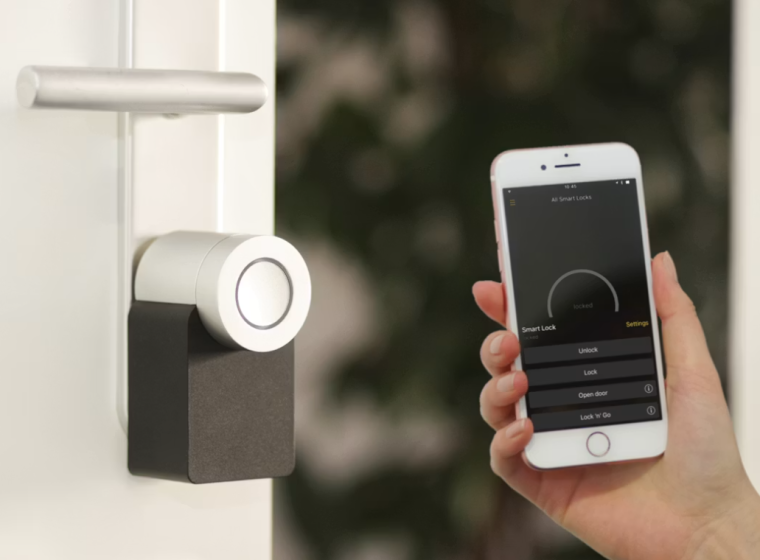
Smart plugs are among the easiest ways to introduce smart technology into a home. They allow users to control certain appliances remotely or schedule when devices turn on and off.
Common uses include:
Scheduling lights.
Managing small appliances.
Reducing unnecessary energy use.
Creating automatic routines.
One advantage of smart plugs is their simplicity. They do not require replacing existing appliances, making them an accessible option for people who want basic automation.
However, they are most useful when connected to devices that genuinely benefit from remote control. Adding smart features to every appliance is not always necessary.
Noise-Canceling Headphones for Focus and Relaxation
Noise is one of the biggest distractions in modern environments. Whether working from home, commuting, or simply trying to relax, unwanted background sounds can affect concentration.
Noise-canceling headphones help create a more controlled listening environment by reducing surrounding distractions.
When selecting headphones, consider:
Comfort during long use.
Sound quality.
Battery life.
Microphone performance.
Connection options.
For professionals, microphone clarity may be important for online meetings. For travelers, comfort and noise reduction may be higher priorities.
A good pair of headphones can serve multiple purposes, from improving productivity to creating a more enjoyable entertainment experience.
Smartwatches for Health, Communication, and Organization
Smartwatches have evolved beyond simple timekeeping. They now combine communication features, activity tracking, notifications, and personal organization tools.
Useful smartwatch features may include:
Message notifications.
Calendar reminders.
Fitness tracking.
Navigation assistance.
Quick access to important information.
The usefulness of a smartwatch depends on personal habits. Someone who values quick notifications and activity tracking may find it highly beneficial, while another person may prefer a traditional watch.
Battery life, comfort, compatibility, and available features should all be considered before purchasing.
Streaming Devices for Better Entertainment Experiences
Entertainment technology has changed the way people watch movies, shows, and other digital content. Streaming devices provide a simple way to access online entertainment platforms on compatible televisions.
They can be useful for:
Upgrading older televisions.
Simplifying content access.
Improving viewing convenience.
Reducing the need for multiple devices.
When choosing a streaming device, consider interface simplicity, compatibility with your preferred services, and remote control features.
The best entertainment technology is not necessarily the one with the most options. It is the one that makes accessing content easier.
Digital Note-Taking Devices for Better Organization
Many people still enjoy writing notes, but digital tools provide new ways to organize information. Tablets, digital notebooks, and note-taking accessories can help combine traditional writing habits with modern convenience.
They may be useful for:
Students.
Professionals.
Creative workers.
People who manage many projects.
Important factors include writing comfort, battery life, storage, and compatibility with existing devices.
A digital note-taking tool should support your organization style rather than force you into a completely different workflow.
Air Purifiers and Indoor Comfort Technology
Indoor environments have become an important part of home comfort. Air purifiers and similar devices are designed to improve the overall atmosphere of living spaces.
These electronics may help manage:
Dust.
Indoor odors.
General air freshness.
Noise levels.
When choosing one, consider room size, maintenance requirements, replacement parts, and operating costs.
Like many household electronics, the right choice depends on your specific environment rather than simply choosing the device with the most features.
Common Mistakes When Buying Everyday Electronics
One of the biggest mistakes consumers make is buying electronics based on excitement rather than usefulness. A gadget may appear innovative, but if it does not fit your daily habits, it may quickly become forgotten.
Another mistake is ignoring long-term costs. Some devices require subscriptions, replacement parts, or regular maintenance. These factors should be considered before purchasing.
Compatibility is also important. A product may work well on its own but provide limited value if it does not connect with your existing devices.
Consumers should also avoid buying multiple gadgets that solve the same problem. A thoughtful selection of reliable electronics is usually better than a crowded collection of unnecessary devices.
How to Choose Electronics That Add Real Value
Before buying any electronic device, ask a few simple questions:
Will I use this regularly?
Does it solve a real problem?
Will it save time or improve convenience?
Does it fit my current lifestyle?
These questions help separate genuinely useful products from temporary trends.
The best electronics often become part of your routine so naturally that you barely notice them. They support your habits, reduce small frustrations, and help daily life run more smoothly.
Technology should work for you, not create additional complexity.
Conclusion
Everyday electronics can make a meaningful difference when they are chosen with purpose. From charging solutions and smart home devices to productivity tools and entertainment upgrades, the most valuable gadgets are those that improve real daily experiences.
The key is not owning more technology. It is choosing better technology.
By focusing on usefulness, compatibility, convenience, and long-term value, you can create a collection of electronics that genuinely supports your lifestyle. The right devices should feel less like gadgets and more like helpful companions that make everyday tasks easier.
FAQs
What everyday electronics are worth buying?
The most worthwhile electronics are usually devices that solve common problems, such as power management tools, smart home accessories, productivity devices, and products that improve comfort or convenience.
Are smart home devices useful for everyone?
Smart home devices can be useful for many people, but their value depends on lifestyle. The best choices are products that match your routines and solve specific needs.
How do I avoid buying unnecessary gadgets?
Consider how often you will use a product, whether it solves a real problem, and whether it works with your existing devices before purchasing.
Are expensive electronics always better?
Higher prices do not always mean better value. A reasonably priced device that fits your needs can be more useful than an expensive product with features you never use.
What should I consider before buying everyday electronics?
Look at functionality, compatibility, durability, maintenance costs, ease of use, and whether the product improves your daily routine.