There is a particular kind of frustration that comes from knowing you own something but having no idea where it is. The spare charger has vanished into a drawer, cleaning bottles are crowded beneath the sink, and the sweater you want is buried under a stack of seasonal clothing. These are not dramatic problems, yet they add small pockets of friction to everyday life.
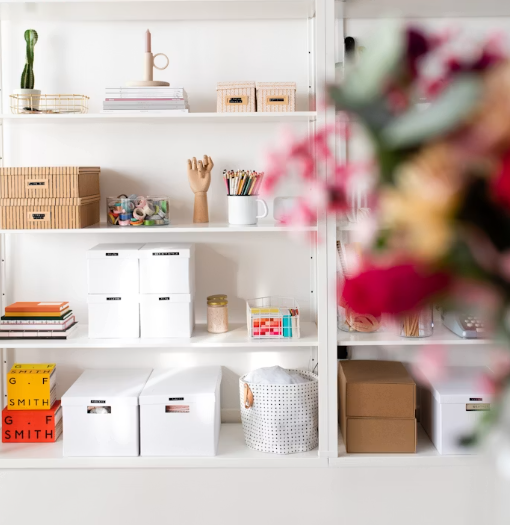
The best home organization products do more than make a room look tidy for a photograph. They make possessions easier to see, reach, return, and maintain. A useful organizer should solve a recurring problem without creating a new layer of clutter.
In 2026, the most worthwhile products are flexible rather than overly specialized. Clear containers reveal what is inside, modular systems adapt as needs change, and slim organizers make use of narrow or vertical spaces that would otherwise remain empty. This guide explores the organization products most likely to earn their place in a real home, along with the features that matter and the mistakes shoppers should avoid.
What Makes an Organization Product Worth Buying?
An organizer is only useful when it improves access. A beautiful container that hides frequently used items behind several lids may make a shelf look polished, but it can also slow down your routine.
Before purchasing anything, identify the exact problem. Is the space genuinely too small, or does it contain items that no longer need to be there? Are objects difficult to reach, difficult to see, or simply missing a defined home?
The best products usually do at least one of four things: use previously wasted space, group similar objects, improve visibility, or make frequently used items easier to retrieve.
Measurements matter as much as design. Record the width, depth, and height of the intended space, including door hinges, pipes, baseboards, shelf supports, and other obstructions. A product that is half an inch too large is not an organization solution. It is another object waiting to be returned.
Clear Stackable Storage Bins
Clear stackable bins are among the most versatile home organization products because they create structure without hiding what they contain. They can be used in a pantry, refrigerator, linen closet, bathroom cabinet, craft area, laundry room, or home office.
Bins with integrated handles are especially practical on deeper shelves. Instead of reaching past several items, you can pull out the entire category. Current examples include divided, stackable clear bins designed with handles for easier visibility and access.
The key is to avoid turning every shelf into a wall of small containers. Use bins for categories that naturally travel together, such as baking supplies, cleaning cloths, hair products, pet accessories, or children’s art materials.
Choose straight-sided bins when maximizing capacity matters. Rounded designs may look softer, but they can waste shelf space. Check whether the bins truly stack when full and whether the handle remains accessible when another container is placed above.
Expandable Drawer Organizers
A drawer can appear spacious until loose objects begin sliding into one another. Expandable organizers solve this problem by adjusting to the width of the drawer instead of leaving awkward gaps around a fixed tray.
They are useful for kitchen utensils, office supplies, cosmetics, tools, and miscellaneous household items. Some current expandable designs combine stacked utensil sections with larger open areas for irregularly shaped objects.
Measure the inside of the drawer rather than its exterior. Also check the available height. A tray may fit perfectly across the width but prevent the drawer from closing once taller utensils are added.
The goal is not to give every tiny item its own compartment. Too many sections can make an organizer inflexible. A combination of narrow channels and one or two open zones usually works better because homes contain objects that do not arrive in matching shapes.
Slim Rolling Storage Carts
A narrow gap between an appliance and a wall may look insignificant, but it can become useful storage with the right rolling cart. Slim carts work well for pantry goods, laundry products, bathroom supplies, craft materials, gift-wrapping accessories, or household cleaning items.
Current designs include tall, narrow carts with handles and casters that can move into unused spaces beside cabinets, wardrobes, or appliances.
A cart is most practical when its contents are used frequently enough to justify easy movement. It should roll smoothly when loaded and remain stable when pulled from one end.
Check the width at the casters as well as the shelves, since wheels can extend beyond the main frame. Shelf height also matters. A cart intended for tall bottles may be less useful if the upper tiers leave insufficient clearance.
Avoid filling a rolling cart with unrelated objects simply because space is available. Assign it one role, such as a mobile cleaning station or baking-supply cart, so its contents remain easy to maintain.
A Modular Pegboard System
When drawers and countertops are full, the wall becomes valuable storage space. A modular pegboard can hold tools, office supplies, craft materials, headphones, keys, small baskets, and frequently used accessories.
The advantage of a modular system is that the layout can change. Hooks, shelves, clips, cups, and containers can be repositioned as your needs evolve. IKEA’s current SKÅDIS range, for example, includes wall-mounted and freestanding boards with accessories for different rooms and uses.
Pegboards are particularly effective above a desk, beside an entryway, inside a craft room, or near a workbench. They keep small objects visible without spreading them across a horizontal surface.
Before installing one, decide what it needs to hold. Light office supplies require a different setup from tools or heavier equipment. Follow the mounting instructions and choose hardware appropriate for the wall material and intended load.
A pegboard looks organized when there is some breathing room between objects. Filling every available opening can recreate the visual clutter you were trying to remove.
A Home Label Maker
Labels are not essential for every container, but they become useful when several people share a space or when contents are not immediately visible. A label maker can help organize pantry containers, storage boxes, cables, files, children’s belongings, craft supplies, and seasonal decorations.
Current home label makers range from simple keyboard-operated models to connected versions that work with desktop software or mobile devices.
The best choice depends on how often you will use it. A basic model is sufficient for straightforward text labels. Connected design features are more relevant when you want different fonts, symbols, layouts, or repeatable templates.
Consider the ongoing cost and availability of compatible tape. Also check the maximum tape width and whether the printed labels are appropriate for surfaces that may encounter moisture, heat, or frequent handling.
Label categories rather than individual objects whenever possible. “Baking Supplies” is easier to maintain than separate labels for every packet and tool. Good labeling supports a system; it should not turn organization into a permanent administrative project.
Under-Bed Storage Cases
The space beneath a bed can hold a surprising amount, but unprotected items quickly gather dust and become difficult to retrieve. Zippered under-bed storage cases offer a simple way to store extra bedding, seasonal clothing, handbags, shoes, or less frequently used textiles.
Current fabric cases are available in low-profile sizes with handles, zip closures, and ventilation features for use beneath beds or inside wardrobes.
Measure the lowest point beneath the bed, including center supports and frame hardware. A case that fits near the edge may become stuck farther underneath.
Soft-sided cases are lightweight and can fold when not in use, but they may sag when partially filled. Rigid boxes slide more predictably and provide greater protection, although they take up permanent space.
Avoid using under-bed storage as a destination for items you never make decisions about. Reserve it for clearly defined categories that are still wanted but not needed every day.
An Under-Sink Pull-Out Organizer
The cabinet beneath a sink is awkward by design. Plumbing divides the space, cleaning products vary in height, and items at the back tend to disappear. A pull-out organizer brings those hidden products forward.
Current options include narrow rolling caddies and cabinet organizers with removable bins, allowing shoppers to work around pipes and divide smaller supplies.
Measure around the plumbing rather than across the empty cabinet. Note the position of pipes, disposal units, filters, door hinges, and cabinet lips that may interfere with a sliding frame.
A removable caddy is helpful when cleaning supplies need to travel from room to room. A fixed pull-out system is more suitable when the cabinet serves as a permanent storage station.
Keep leak-sensitive products in a tray and avoid packing the area so tightly that plumbing becomes difficult to inspect. Organization should improve access to the cabinet, not conceal potential problems.
Over-the-Door Storage Systems
Doors offer vertical storage without occupying floor space. A well-designed over-the-door rack can hold pantry items, bathroom products, accessories, cleaning supplies, shoes, or gift-wrapping materials.
Customizable systems with adjustable baskets are especially useful because shelf positions can change as the contents change. Current door-and-wall rack systems are designed to make use of vertical space with baskets, hooks, and utility boards.
Before buying, check the door thickness, available clearance above the door, and the gap between the door and frame. Some brackets prevent a tightly fitted door from closing properly.
Also consider movement. Bottles and loose objects can shift when a door opens quickly, so baskets should be deep enough to keep contents secure. Soft bumpers can reduce rattling and protect the door surface.
Over-the-door storage is best used for relatively lightweight items. Heavy loading may place unnecessary stress on the door and hardware.
Cord Clips and Cable Organizers
Cable clutter is rarely a storage-capacity problem. It is an access problem. Charging cables fall behind furniture, power cords cross working surfaces, and identical wires become difficult to identify.
Adhesive cord clips can guide cables along a desk, wall, cabinet, or entertainment unit while keeping frequently used connectors within reach. Current systems include individual clips and multi-cord organizers designed for home offices and entertainment areas.
Choose clips according to the thickness and number of cables. A narrow phone charger requires a different opening from a power cord or bundled group of wires.
Clean and dry the surface before installation, and confirm that the adhesive is suitable for the material. Follow the manufacturer’s instructions for application, weight limits, and removal.
Do not tightly bend, compress, or trap electrical cords. Organization should guide cables safely, not force them into an arrangement that places stress on the wire or connector.
How to Build an Organization System That Lasts
Start with one small area rather than purchasing products for an entire home at once. A single pantry shelf, bathroom drawer, or entryway cabinet will reveal more about your habits than a large collection of organizers still inside their packaging.
Remove everything, discard or relocate what does not belong, and group the remaining items by use. Only then should you choose containers or systems.
Keep frequently used objects between waist and eye level whenever possible. Store occasional items higher, lower, or farther back. The most convenient locations should be reserved for the things that support your daily routine.
Leave some empty space. An organizer packed to its limit has no room for new purchases, temporary changes, or easy movement. A little visual and physical breathing room makes a system easier to maintain.
Common Home Organization Mistakes
The first mistake is buying organizers before decluttering. Containers can arrange excess possessions, but they cannot make those possessions useful.
Another mistake is prioritizing appearance over access. Matching opaque boxes may create a clean visual line, yet they can make it difficult to remember what is stored inside. Use clear containers or consistent labels when visibility is limited.
Avoid choosing very specific organizers for collections that may change. Adjustable dividers, modular boards, and movable baskets are more adaptable than products designed around one exact object.
Finally, do not create systems that require perfect behavior. If returning an item involves opening three lids and moving two boxes, it will probably remain on the nearest surface. The best organization products make the correct action the easiest action.
Conclusion
The home organization products worth buying in 2026 are the ones that make everyday spaces easier to use. Clear bins improve visibility, expandable drawer trays control small items, and slim carts turn narrow gaps into functional storage. Pegboards and over-the-door racks use vertical space, while label makers, cord clips, and pull-out organizers reduce the time spent searching and reaching.
The goal is not to make every room look untouched. A well-organized home should support real life, including busy mornings, quick cleanups, changing routines, and the occasional object left out of place. Buy fewer organizers, measure carefully, and choose flexible products that solve problems you experience repeatedly.
Frequently Asked Questions
What home organization product should I buy first?
Begin with the area that creates the most daily frustration. Clear handled bins are versatile for shelves, while an expandable drawer organizer is useful for loose small items. Do not buy a complete matching collection until you know which sizes and formats work in your home.
Are clear storage bins better than opaque containers?
Clear bins are usually better for frequently accessed items because the contents remain visible. Opaque containers can create a calmer appearance and protect items from light, but they should be labeled when the contents are not obvious. The better choice depends on where the container will be used.
How do I measure for home organizers?
Measure the internal width, depth, and height of the intended space. Account for hinges, pipes, shelf supports, drawer mechanisms, baseboards, and door clearance. Leave a small amount of extra room so the organizer can be removed and returned without scraping surrounding surfaces.
Are expensive organization products worth the cost?
A higher price may be reasonable for durable materials, smooth drawer mechanisms, secure mounting systems, or modular components that can expand over time. Simple bins and dividers do not always need premium features. Spend more where construction and frequent movement affect long-term use.
How can I keep an organized space from becoming cluttered again?
Give each category a defined home, keep frequently used items easy to return, and avoid filling every container completely. Review high-traffic areas regularly and remove objects that no longer belong. A simple system maintained occasionally is more sustainable than a complicated system that requires constant attention.